
Capability · sand, water and wear
Custom Anklets, Specified for Wear at the Ankle
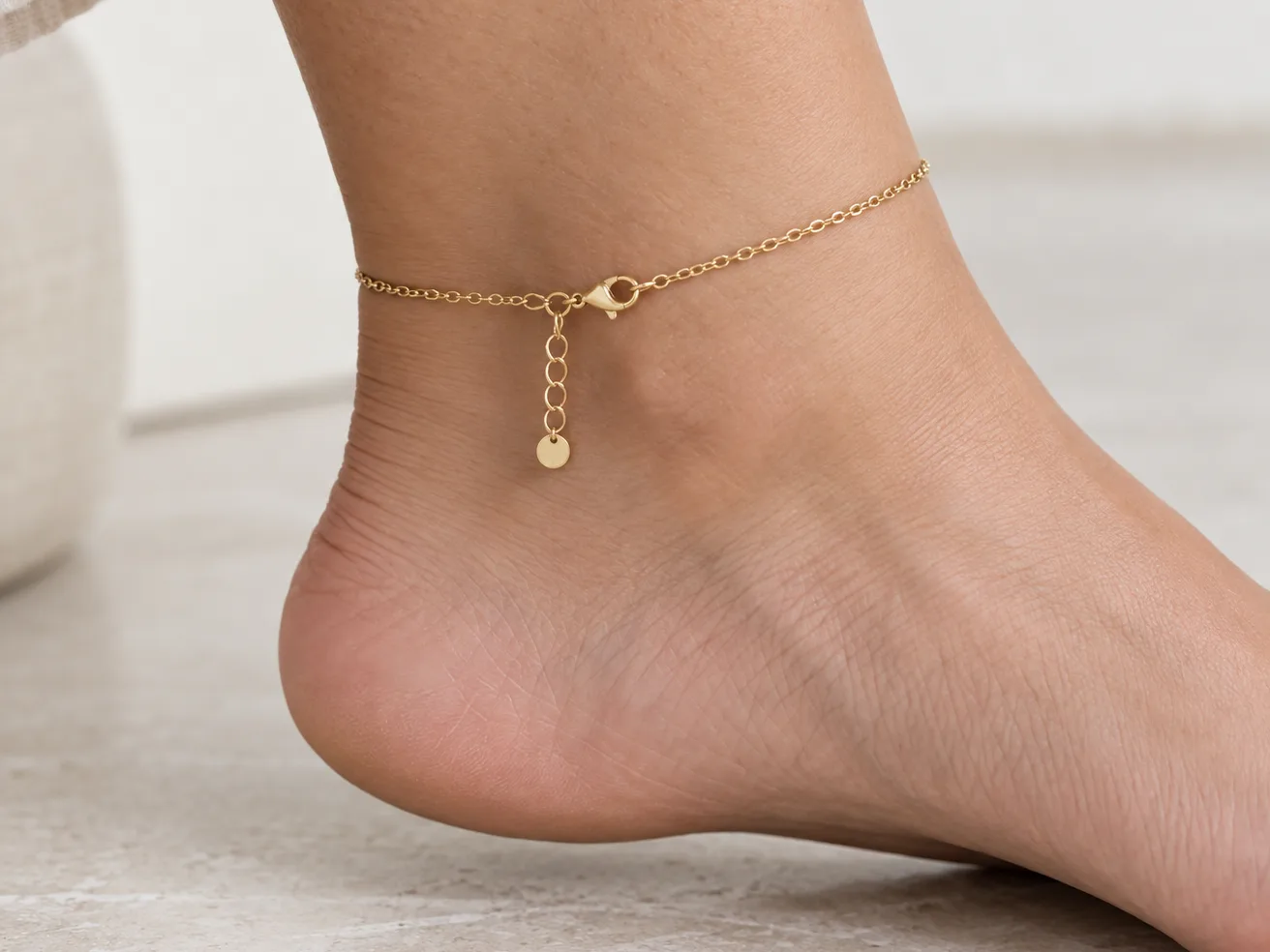
An anklet meets shoe leather, sand and water every day it is worn, and a clasp that opens under a sharp pull loses the piece. So it is made in 316L stainless steel and specified from the hardware inward: clasp rated to the load, an adjustable range instead of a single length, and a finish chosen for abrasion.
The range
Anklets Kalen has already made
24 designs from Kalen’s own published catalog. They are listed so you can see the house’s vocabulary before you brief against it. Each is described in the words of the listing it came from, with two deliberate substitutions: where a listing named no steel grade none is stated here, and where it said a karat gold plating it is written gold-tone, because this site makes no karat claim about any piece. Custom work is specified separately, to 316L and to the finish you ask for.
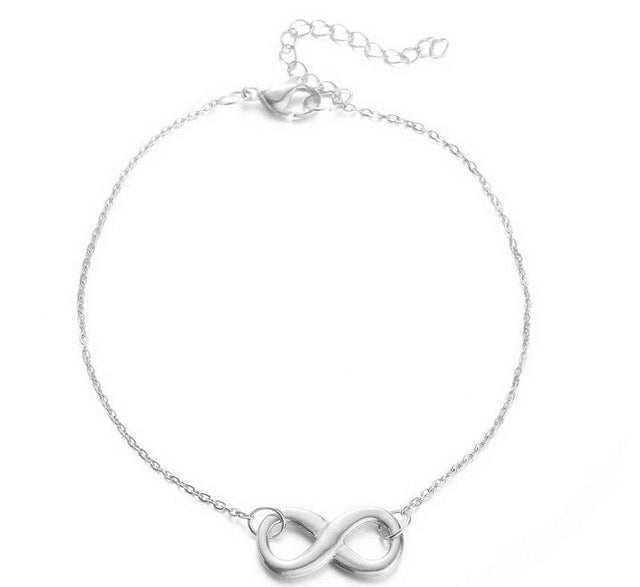
Chain Infinite Charm Anklet
Steel
Stainless steel · Length: 23+5cm
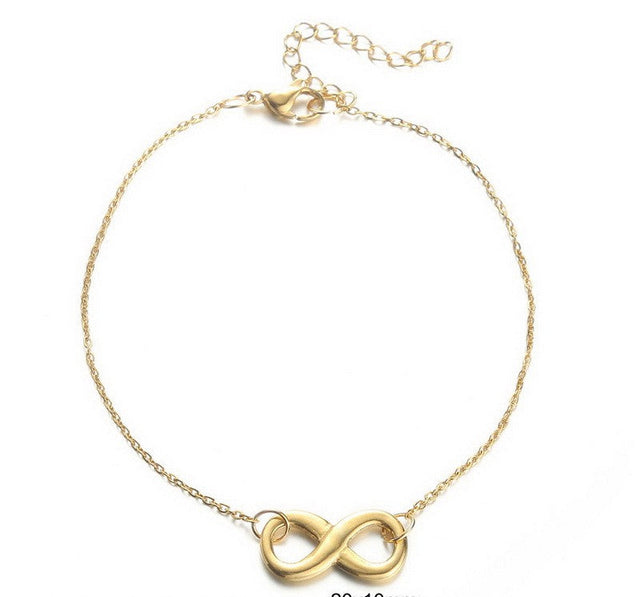
Chain Infinite Charm Anklet
Gold-tone
Stainless steel · Length: 23+5cm
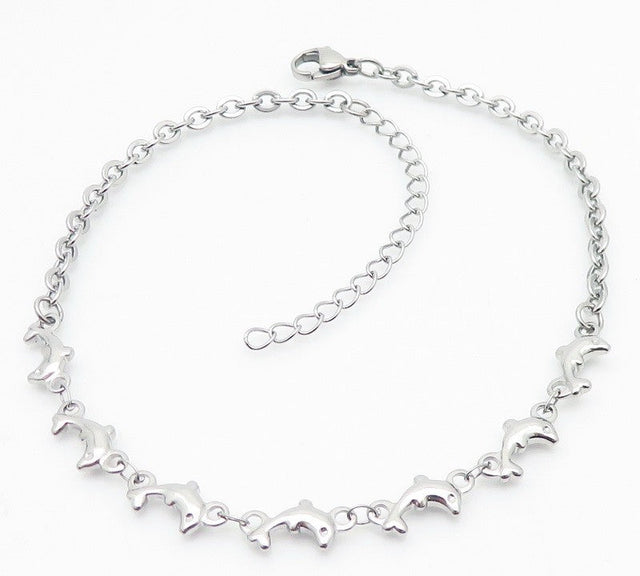
Stainless Steel Chain Anklet
Steel
Stainless steel · Length: 23cm
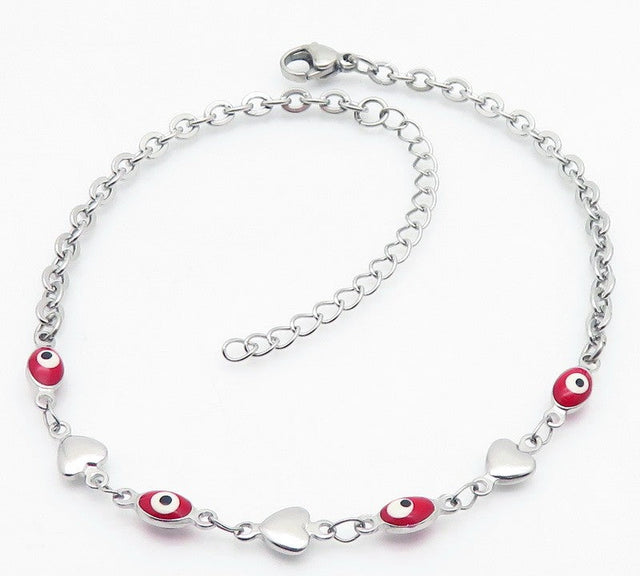
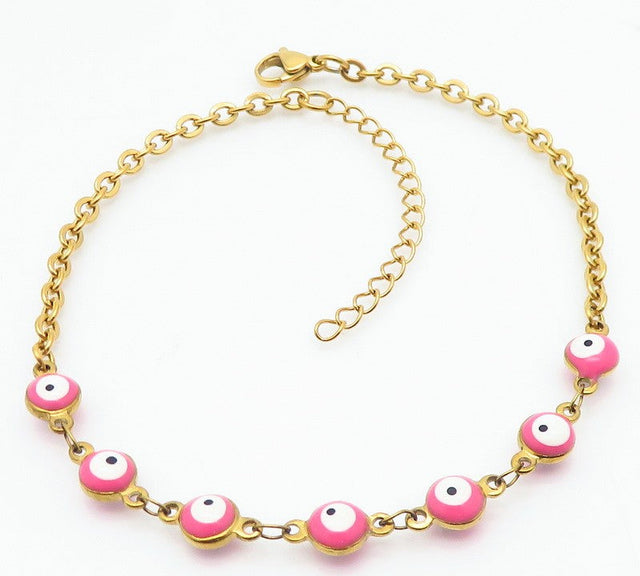
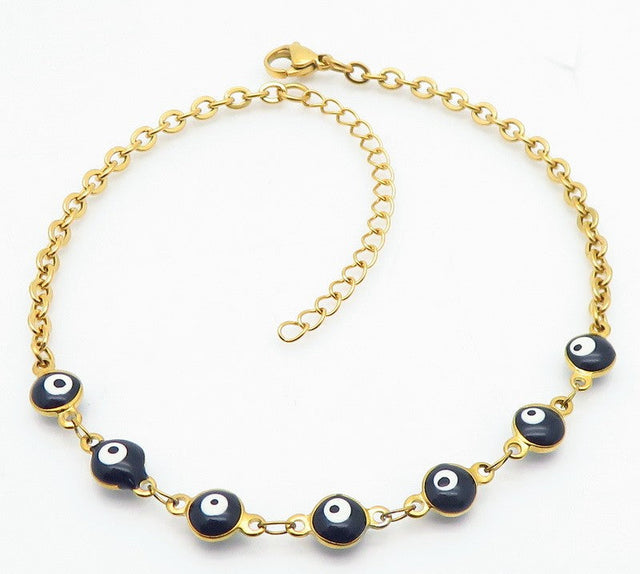
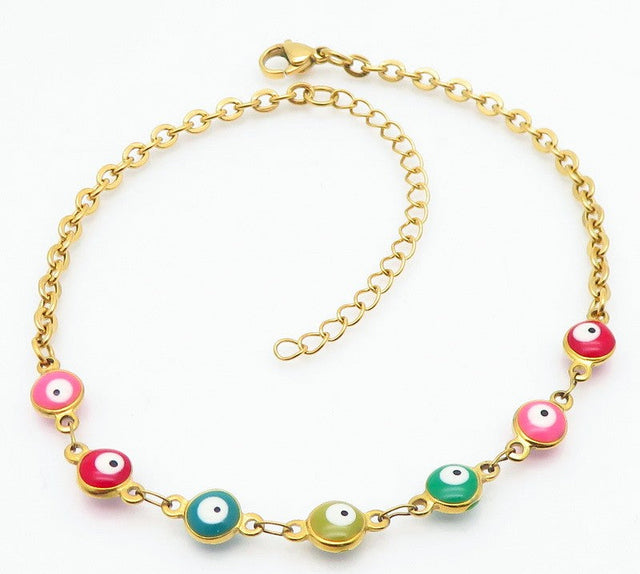
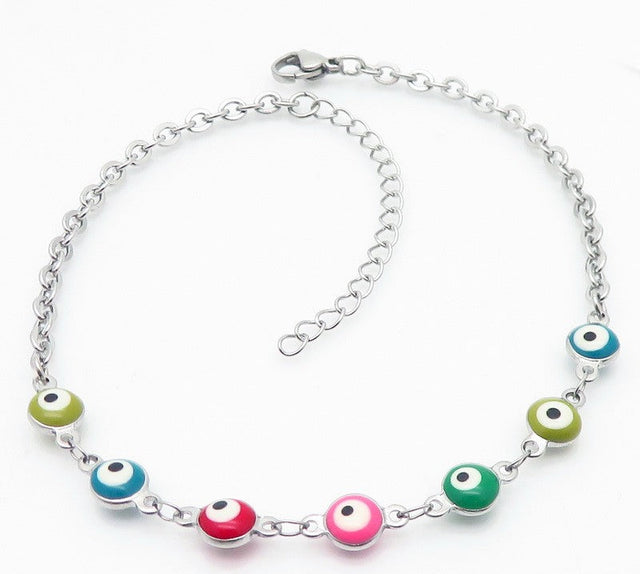
Stainless Steel Evil Eye Charm Anklet
Steel
Stainless steel · Length: 22cm
Stainless Steel Evil Eye Charm Anklet
Gold-tone
Stainless steel · Length: 23cm
Stainless Steel Evil Eye Charm Anklet
Gold-tone
Stainless steel · Length: 23cm
Stainless Steel Evil Eye Charm Anklet
Gold-tone
Stainless steel · Length: 23cm
Stainless Steel Evil Eye Charm Anklet
Steel
Stainless steel · Length: 23cm
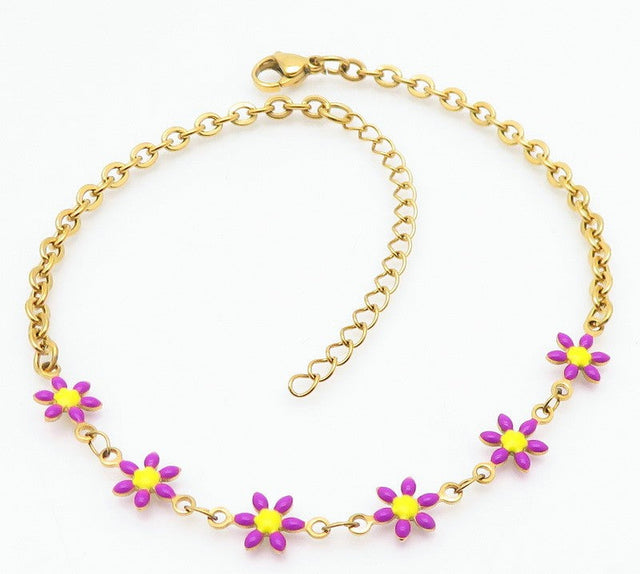
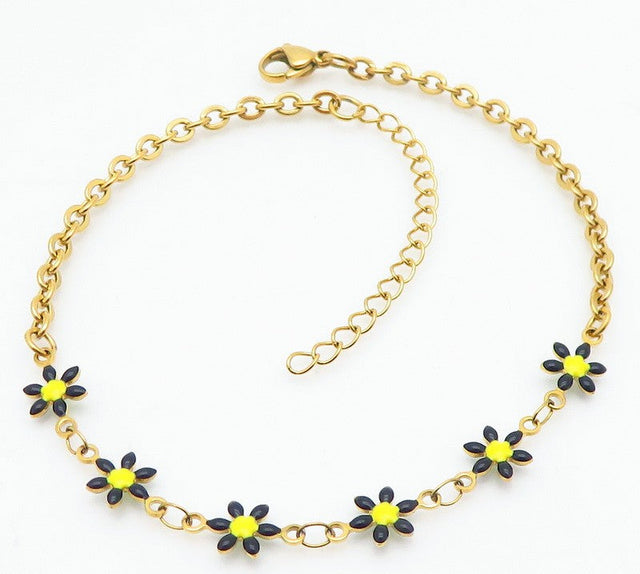
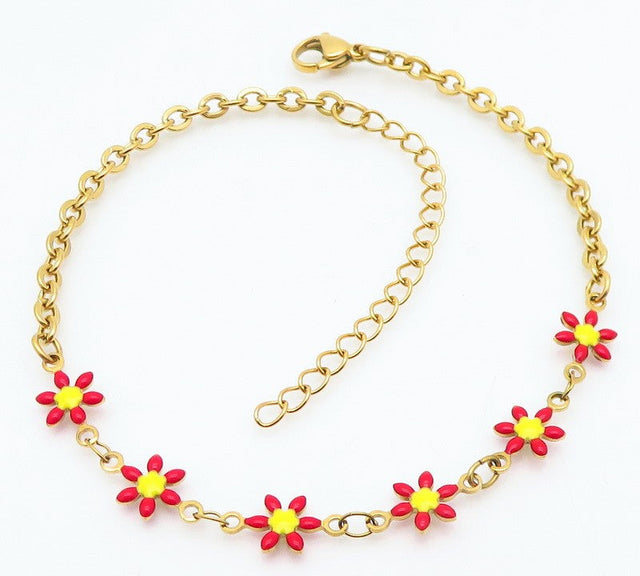
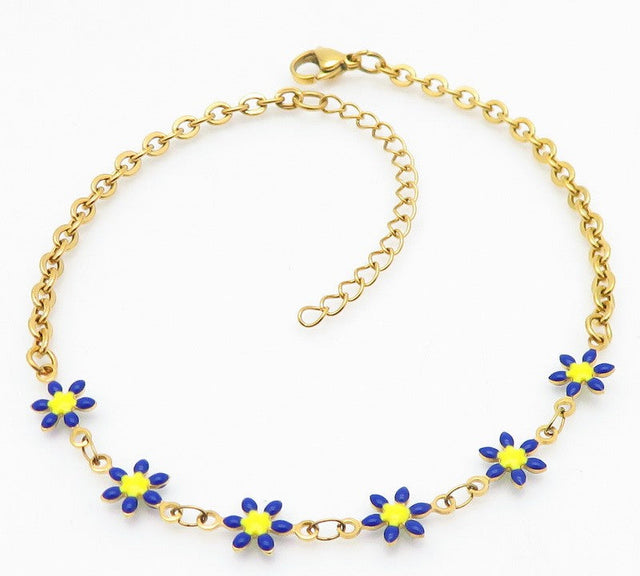
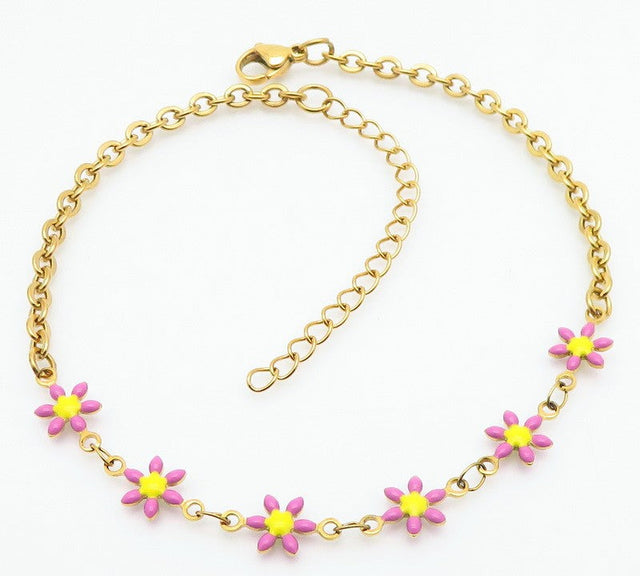
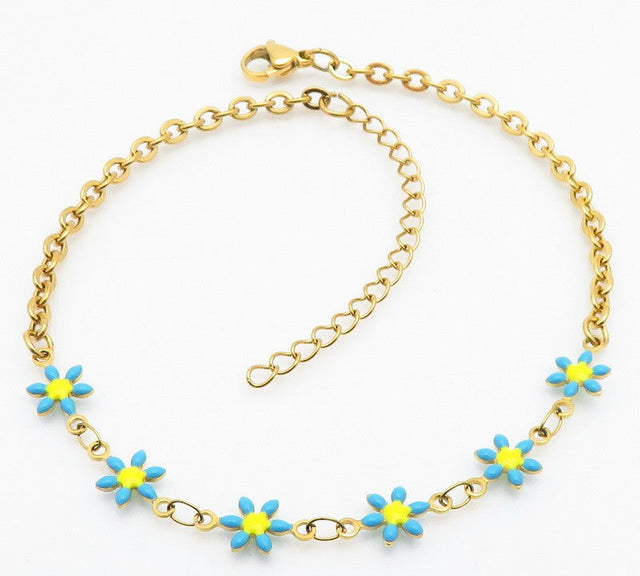
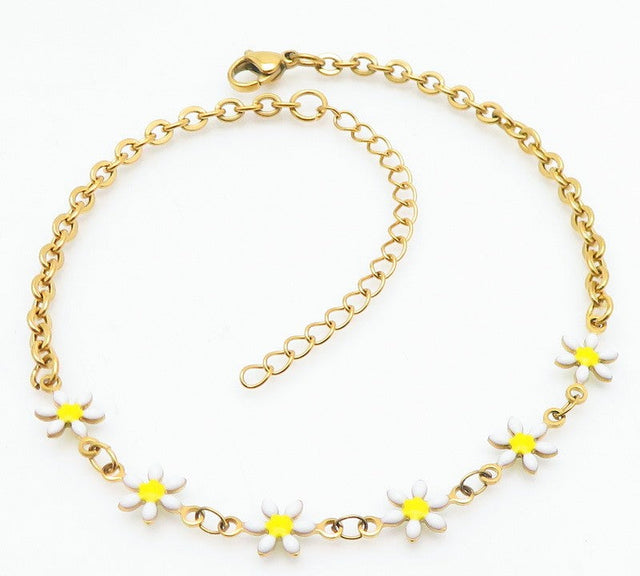
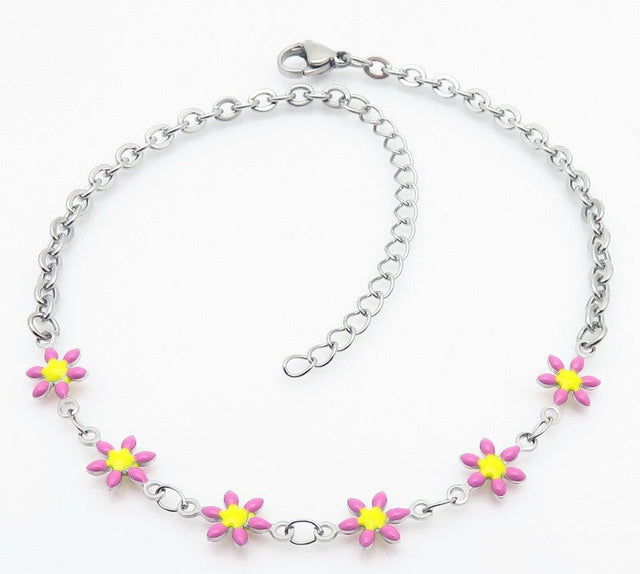
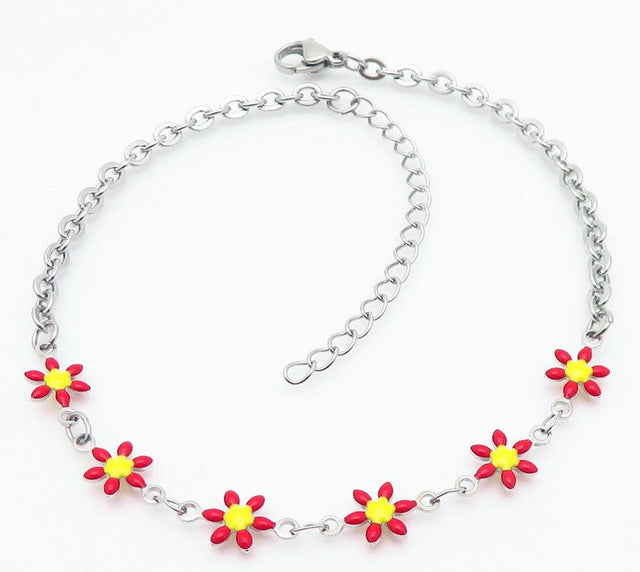
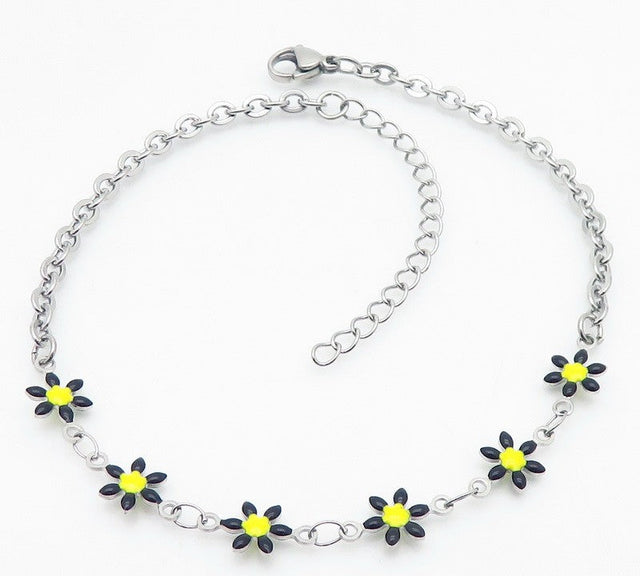
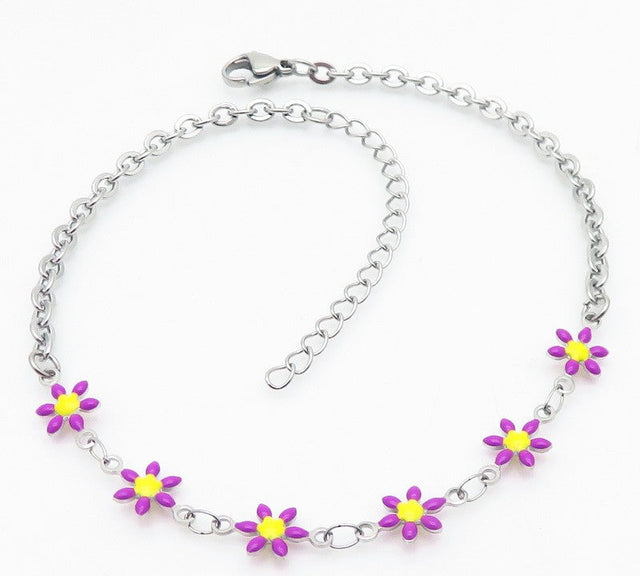
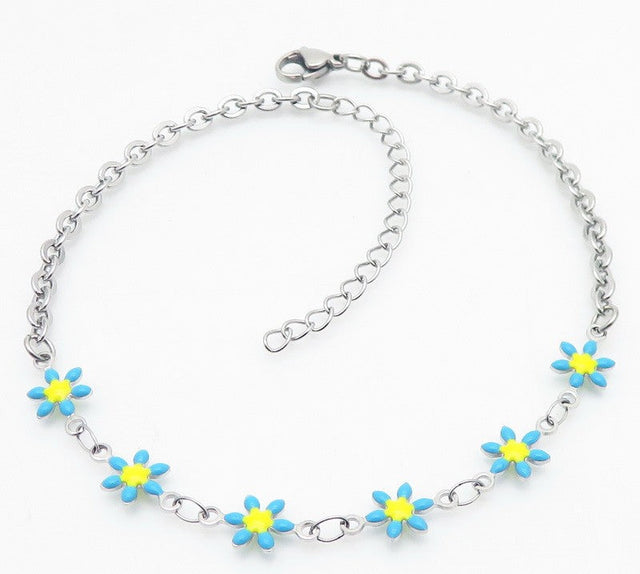
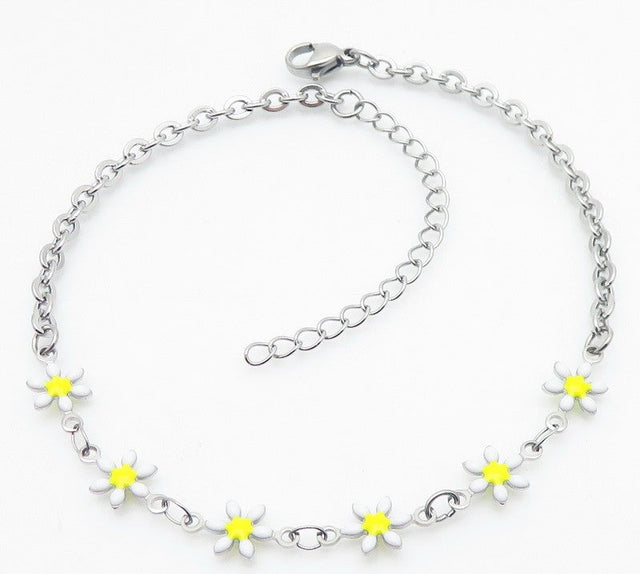
Stainless Steel Flower Charm Anklet
Gold-tone
Stainless steel · Length: 22cm
Stainless Steel Flower Charm Anklet
Gold-tone
Stainless steel · Length: 22cm
Stainless Steel Flower Charm Anklet
Gold-tone
Stainless steel · Length: 22cm
Stainless Steel Flower Charm Anklet
Gold-tone
Stainless steel · Length: 22cm
Stainless Steel Flower Charm Anklet
Gold-tone
Stainless steel · Length: 22cm
Stainless Steel Flower Charm Anklet
Gold-tone
Stainless steel · Length: 22cm
Stainless Steel Flower Charm Anklet
Gold-tone
Stainless steel · Length: 22cm
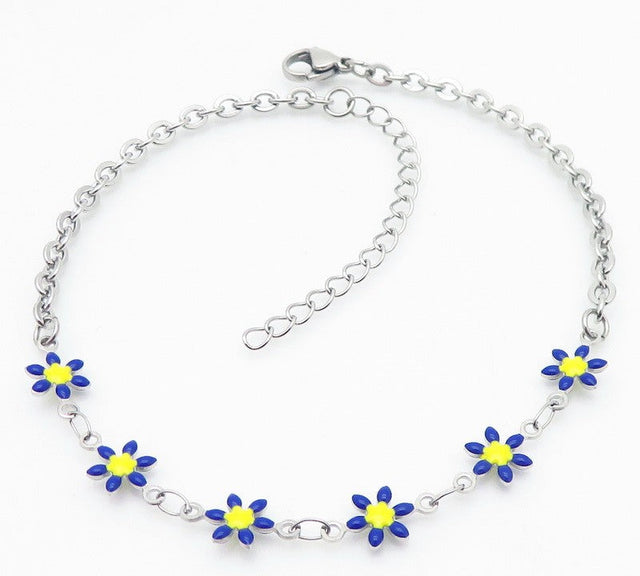
Stainless Steel Flower Charm Anklet
Steel
Stainless steel · Length: 22cm
Stainless Steel Flower Charm Anklet
Steel
Stainless steel · Length: 22cm
Stainless Steel Flower Charm Anklet
Steel
Stainless steel · Length: 22cm
Stainless Steel Flower Charm Anklet
Steel
Stainless steel · Length: 22cm
Stainless Steel Flower Charm Anklet
Steel
Stainless steel · Length: 22cm
Stainless Steel Flower Charm Anklet
Steel
Stainless steel · Length: 22cm
Stainless Steel Flower Charm Anklet
Steel
Stainless steel · Length: 22cm
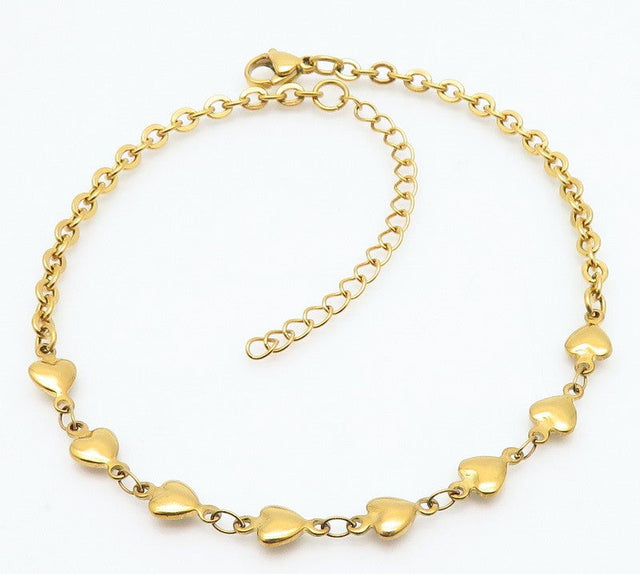
Stainless Steel Heart Chain Anklet
Gold-tone
Stainless steel · Length: 23cm
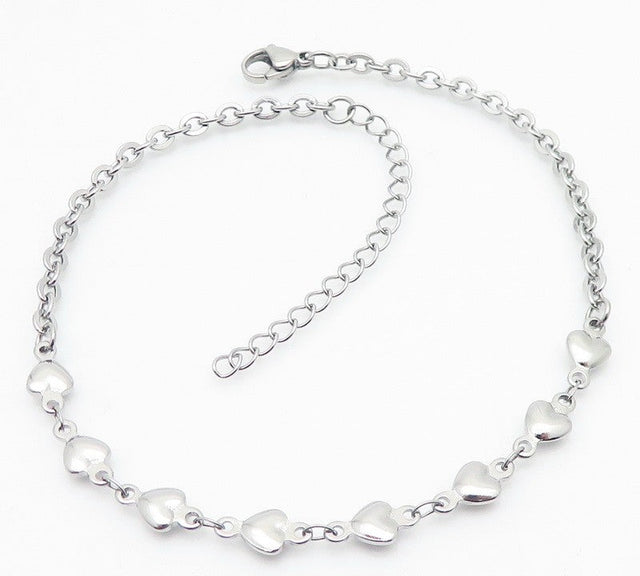
Stainless Steel Heart Chain Anklet
Steel
Stainless steel · Length: 23cm
Clasp first, then range, then finish
The hardware takes the pulls at the ankle, so it is specified before the material.
Will the clasp hold?
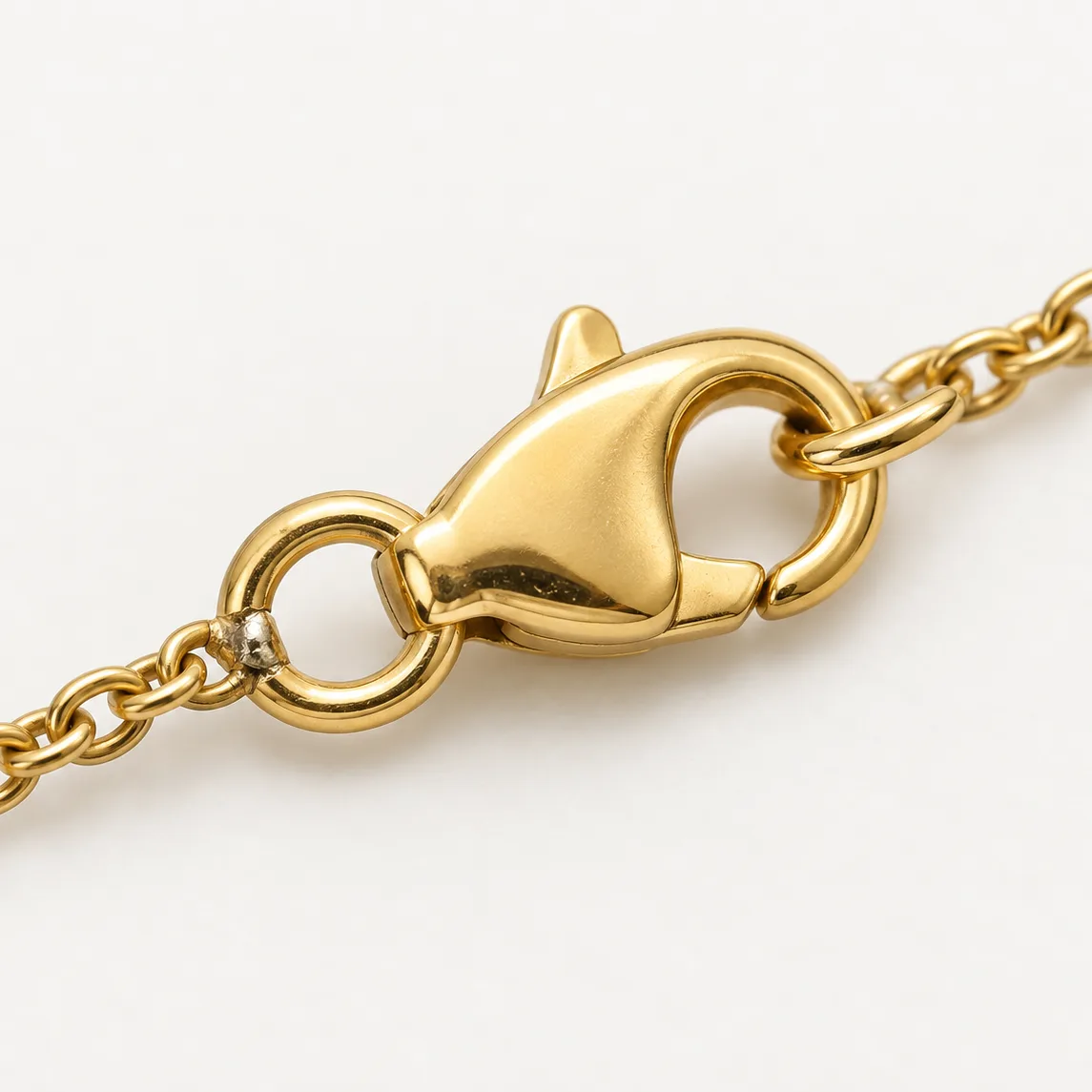
The load on an anklet is higher than its weight suggests: it is caught by hems, straps and bedding, and each of those is a sharp pull rather than a steady one. It is the first thing specified.
What range does one piece cover?
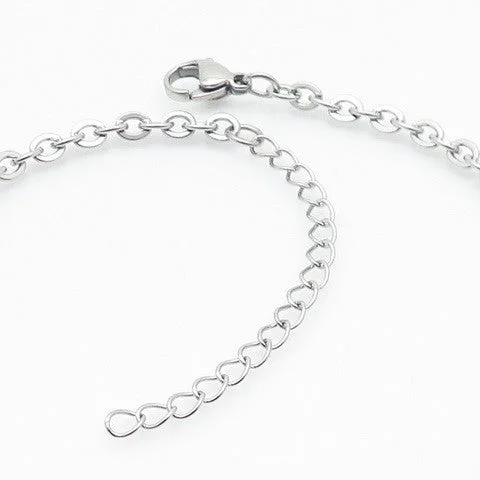
Ankle circumference varies between wearers, and the wearer usually does not know theirs. One length becomes a return; a stated range with an extender covers what would otherwise need three sizes.
What does the finish have to withstand?
Sand, shoe leather, salt water and chlorine, usually at the same time. Abrasion is what carries a coating away, not immersion, so the finish is chosen against abrasion.
What can be changed, and what cannot
| Dimension | What you can change | What is fixed | Condition |
|---|---|---|---|
| Clasp | Lobster, toggle, spring ring where the load allows | A clasp rated below the load this position puts on it | Specified against the load and stated in the quotation, not chosen on appearance |
| Sizing | A finished range with an extender, quoted over the clasp | A single length with no adjustment | The extender is a specified component with its own gauge and finish, because it is visible on the ankle |
| Chain construction | Cable, rolo, curb, figaro, ball and beaded runs | Constructions that kink permanently once creased | Drawn from the same chain stock at a gauge chosen for this position |
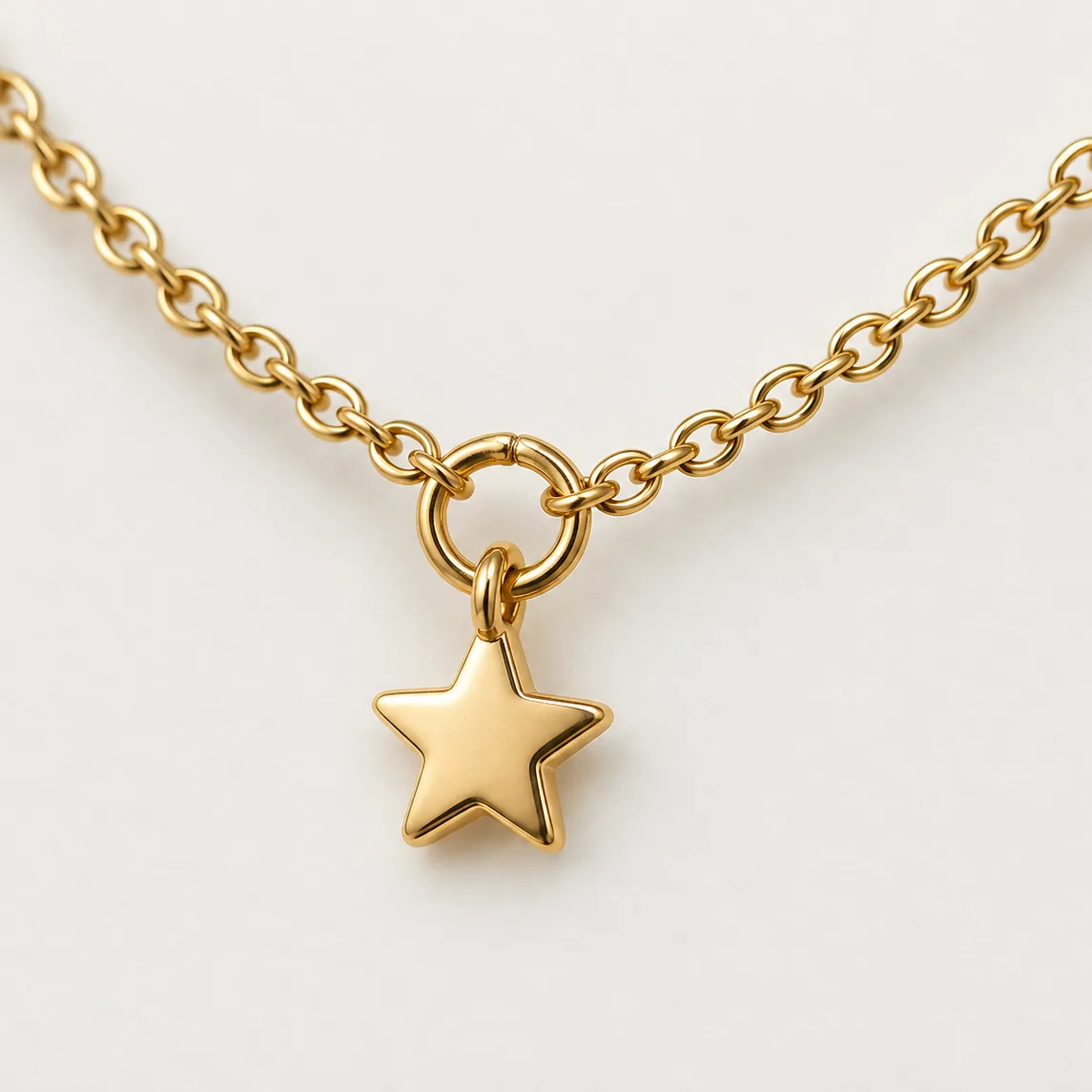
| Charms and stations | Carried charms, drops and beaded sections | Carrying points left as open jump rings | Soldered closed rather than left open, the same discipline used for charm bar supply |
| Finish color | Gold-tone, rose gold-tone, black, gunmetal, natural steel | Colors outside the qualified PVD target range | For a coastal or resort program the abrasion-durable finish is proposed over the most photogenic one. See PVD & Gold-Tone Finishes |
| Engraving | Laser marking and stamped plates | Marking below the minimum legible character height | Personalized work is manufacturing to your specification; we do not operate a consumer personalization service |
What this position does to a finish
The substrate question is the easy one, because 316L is why the category works in stainless at all. The finish is where the specification earns its keep.
| Exposure | What it does | What the specification has to say |
|---|---|---|
| Sand and shoe leather | Abrades the coating, concentrated at the clasp and the lowest-hanging links | Coating thickness and the finish system, stated per material and finish combination |
| Salt water | Attacks through any break in the coating rather than through the coating itself | Substrate grade, and a finish qualified as a system rather than as a color |
| Chlorinated water | Same mechanism as salt water, with a different chemistry | Handled by the same specification; not a separate claim |
| Hems, straps and bedding | Sharp intermittent pulls on the clasp and its attachment joint | Clasp rating and joint strength, verified rather than inferred |
The program's environment is stated
Coastal, resort, or general retail. The environment goes into the specification: it decides which finish is proposed and what the durability requirement is.
A finish system is proposed against abrasion
Where the two disagree, the finish that survives abrasion is proposed over the one that photographs best, and the trade is stated at quotation rather than discovered later.
The clasp is rated to the load
Chosen for the sharp pulls this position sees, not for the weight of the piece, and checked at the joint that attaches it as well as at the clasp itself.
Record producedFirst-article record, per clasp type
Thickness and nickel release are measured on the finished piece
With the coating on, after the wear pre-treatment, and reported per material and finish combination.
Record producedThickness report and test report, per batch
The parameters a quote is built on
Length is quoted as the range the piece covers, measured over the clasp, with the extender stated separately. A single number in this category is a return waiting to happen.
| Parameter | Specified | Unit | Verification |
|---|---|---|---|
| Finished range | 216 – 241 mm (8.5 – 9.5 in), women's; adjustable programs cover 229 – 279 mm (9 – 11 in) | mm / in | Measured over the clasp at both extremes |
| Extender length | 50 (5 cm) | mm | Measured, first article |
| Chain width | 1.5 – 10 | mm | Micrometer, first article |
| Carrying point opening | 2.5 – 6.2 | mm | Pin gauge, first article |
| Coating thickness | 0.3 – 0.4 total, ±20% (whole PVD stack, not gold content) | µm | Thickness report, per batch |
Nickel release · prolonged skin contact
EN 1811:2023, compared against the REACH Annex XVII entry 27(b) limit of below 0.5 µg/cm²/week for items in prolonged contact with the skin, a list that names anklets by that word. Uncoated steel is assessed under 27(b), a release limit on the article as supplied. Where the piece carries a coating, entry 27(c) applies instead and adds EN 12472:2020 wear-and-corrosion pre-treatment first, because 27(c) requires the limit to hold throughout at least two years of normal use. That clause matters most in a position where the coating is abraded daily.
The test is run per material and finish combination, with the clasp and extender assessed separately. The reports we hold are on Nickel Release Testing.
Built alongside the rest of the range
Where a program already has a necklace and a bracelet, the cheapest way to add an anklet is from the chain construction already specified, at a gauge chosen for this position. One construction, one sealed color standard, three categories that match when a customer wears them together.
Add anklets to a programFrequently asked questions
Why quote an anklet as a range rather than a length?
Because ankle circumference varies between wearers, and the wearer usually does not know their measurement. An anklet quoted at one length becomes a return; the same anklet quoted with an extender covers most of the range that would otherwise need three sizes. The extender is a specified component with its own gauge and finish, because it is exposed on the ankle in a way it never is at the back of a neck.
Which clasp should an anklet use?
The one rated for the load, which on an anklet is higher than the piece's weight suggests. It is caught by hems, straps and bedding, and each of those is a sharp pull rather than a steady one. A spring ring sized for a light necklace will not hold here; a lobster clasp of the correct gauge, or a toggle where the design allows, does. The clasp is specified against the load and stated in the quotation.
How does an anklet hold up to sand, salt water and chlorine?
The substrate is the straightforward part. This is the position where 316L earns its place, and it is why the category works in stainless at all. The exposed part is the finish: a coated anklet meets abrasion from sand and shoe leather at the same time as it meets salt water, and abrasion is what carries a coating away, not immersion. Where a program is aimed at a coastal or resort buyer, we will normally propose the finish that survives abrasion over the one that photographs best, and say so at quotation. See PVD and gold-tone finishes.
Can charms be added to an anklet the way they are to a bracelet?
Yes, with one change to the specification: the carrying point is soldered closed rather than left as an open jump ring. A charm bracelet lives on a wrist the wearer can see; an anklet is out of sight all day and a charm that works its way off an open ring is simply gone. Bail openings and carrying points are stated per piece, as they are for charm bar supply.
Last updated