
Capability · largest category
Custom Earrings Manufacturer for Growing Brands
Studs, hoops and huggies, drops and ear cuffs, manufactured to your design in 316L stainless steel. Post diameter and length are specified in millimeters and gauge, findings are inspected as separate components, and nickel release is tested against the stricter of the two REACH limits because ear posts sit in the pierced-part category.
The range
Earrings Kalen has already made
2,392 designs from Kalen’s own published catalog, 48 to a page. They are listed so you can see the house’s vocabulary before you brief against it. Each is described in the words of the listing it came from, with two deliberate substitutions: where a listing named no steel grade none is stated here, and where it said a karat gold plating it is written gold-tone, because this site makes no karat claim about any piece. Custom work is specified separately, to 316L and to the finish you ask for.
Gold-Tone Chain Drop Earrings
Finish specified per order
Stainless steel · 2 variants
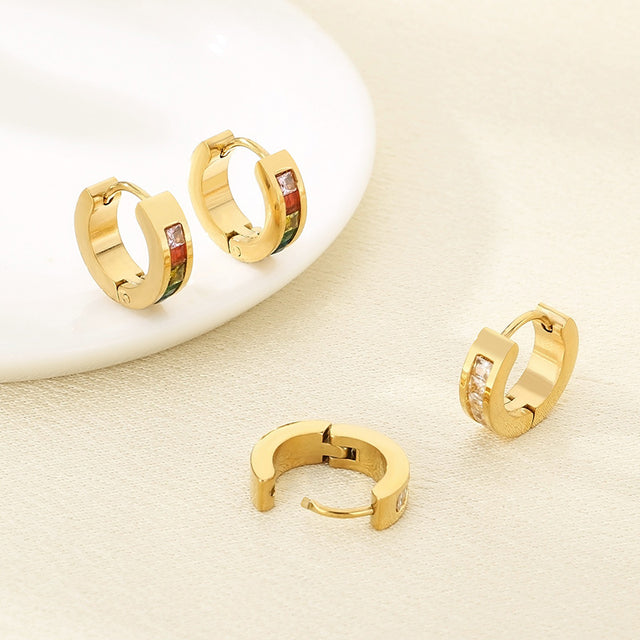
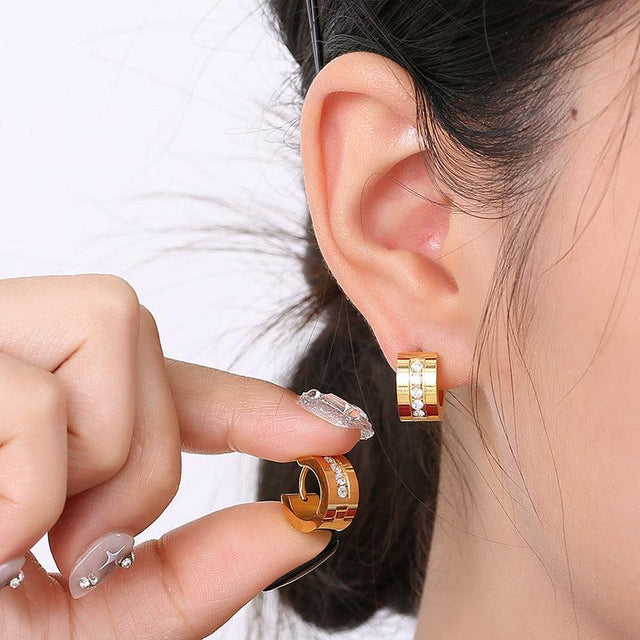
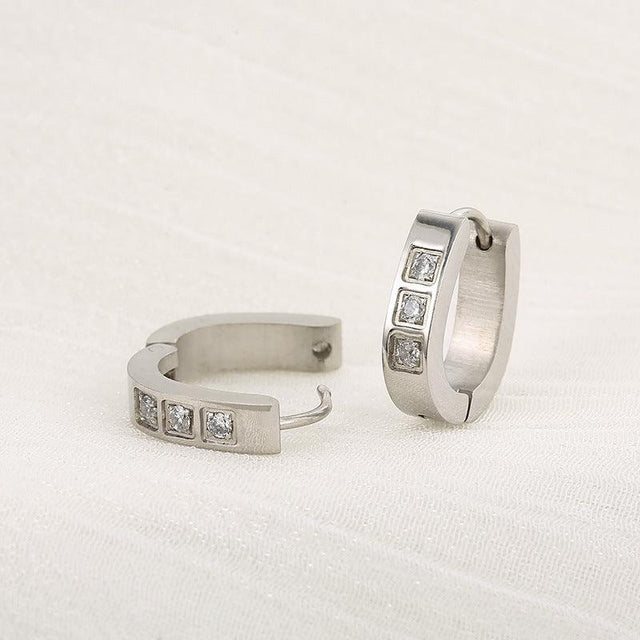
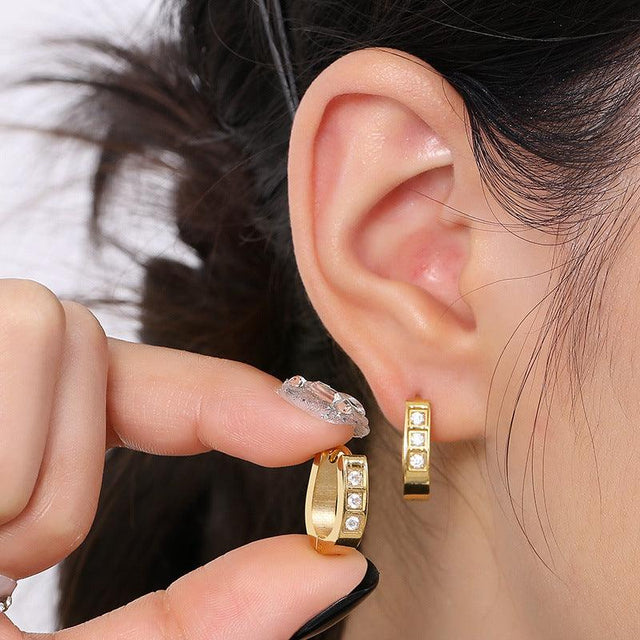
Gold-Tone Stainless Steel Zircon Hoop Earrings
Finish specified per order
Stainless steel · 5 variants
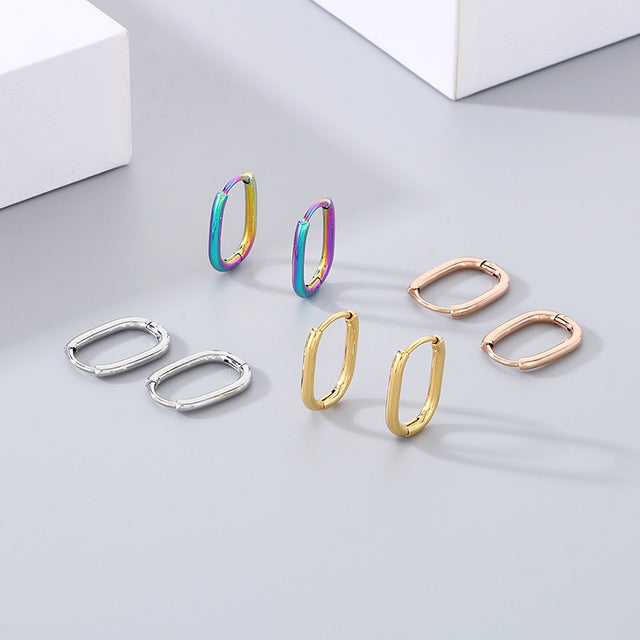
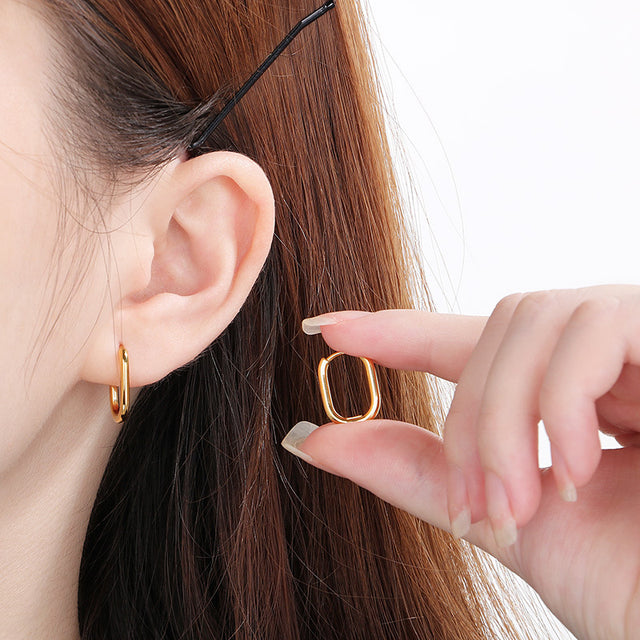
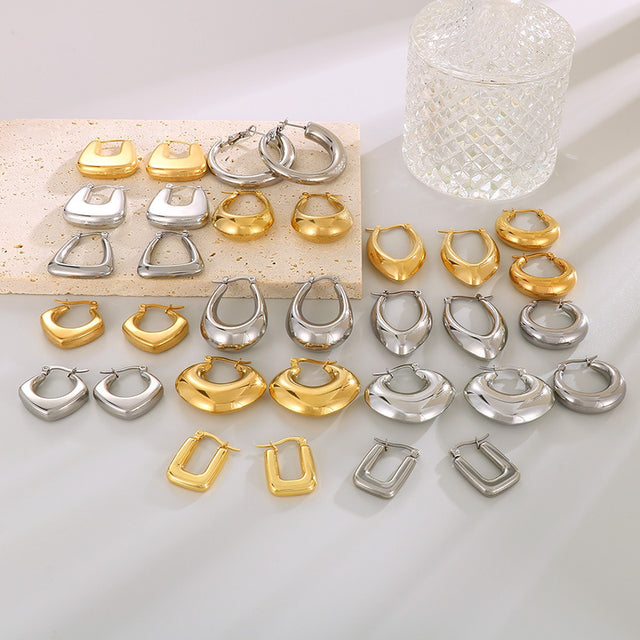
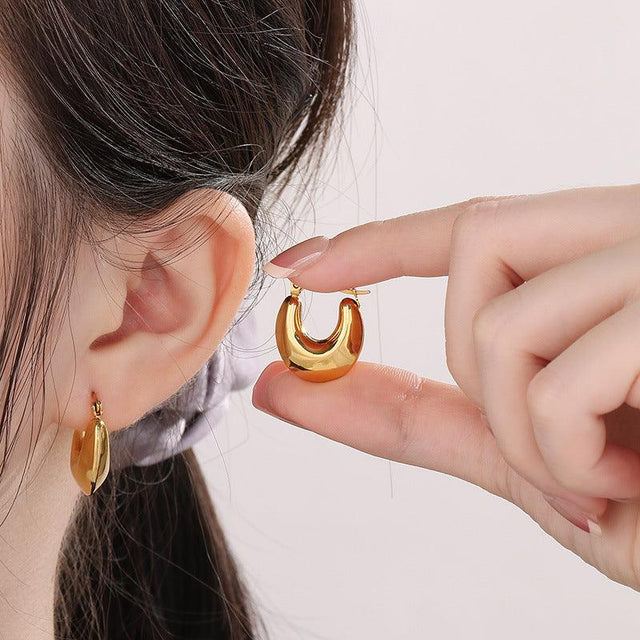
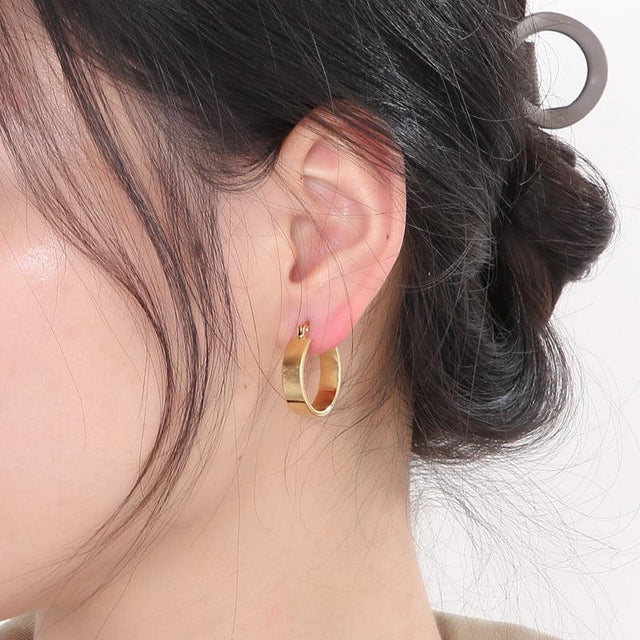
U Shape Stainless Steel Hoop Earrings
Finish specified per order
Stainless steel · 3 variants
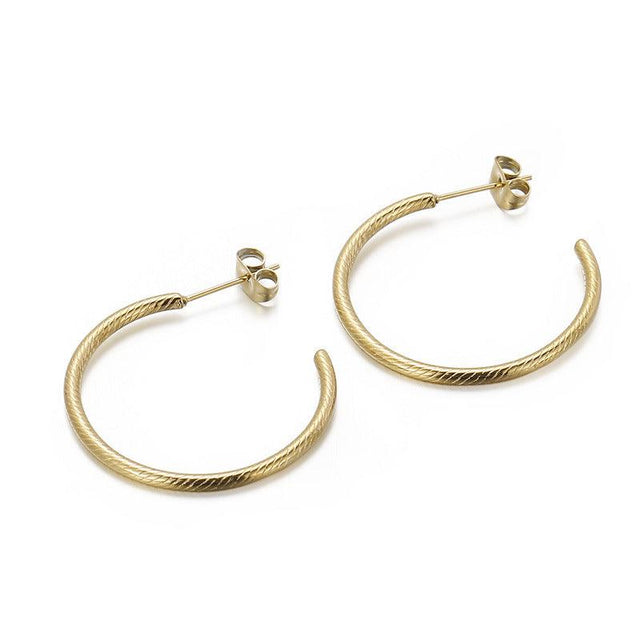
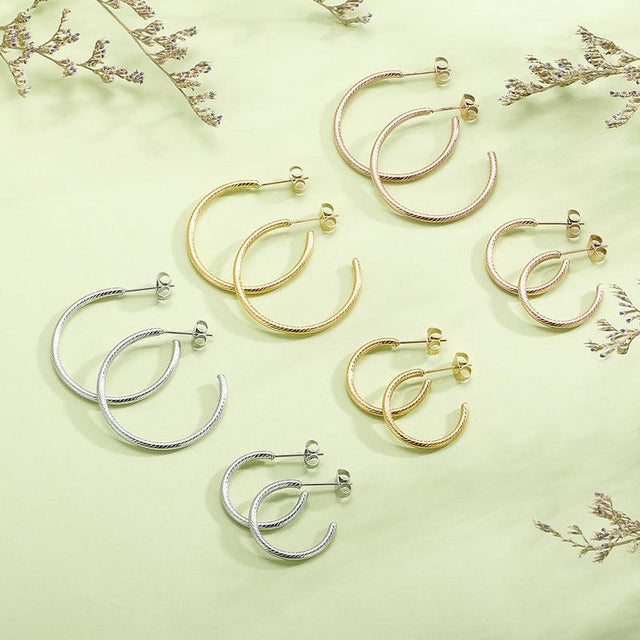
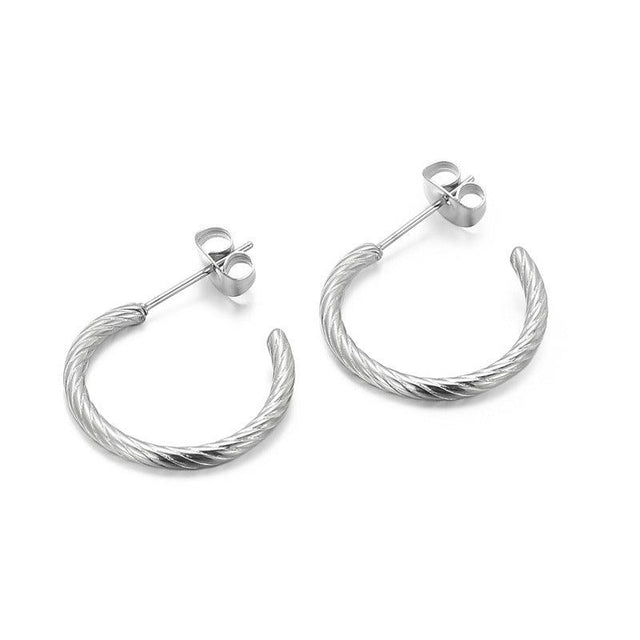
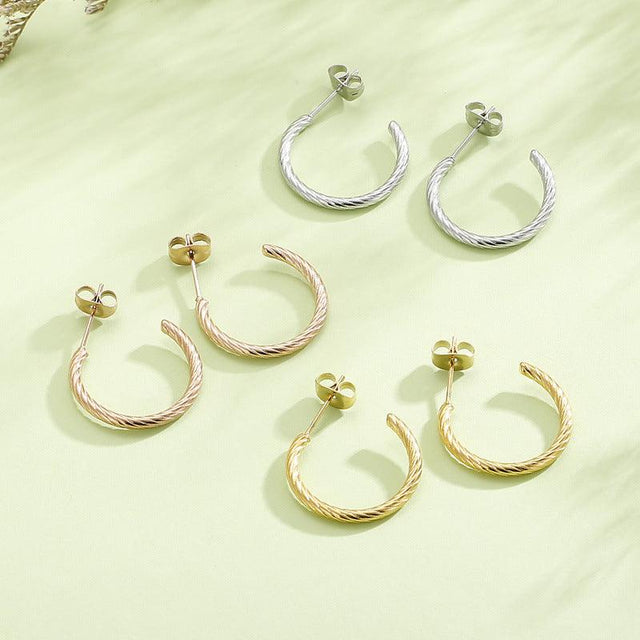
30/20x2mm Stainless Steel Twisted C-Shape Stud Earrings
Gold-tone · Steel · Rose gold-tone
Stainless steel · Hoop Size: 30mm–20mm · 6 variants
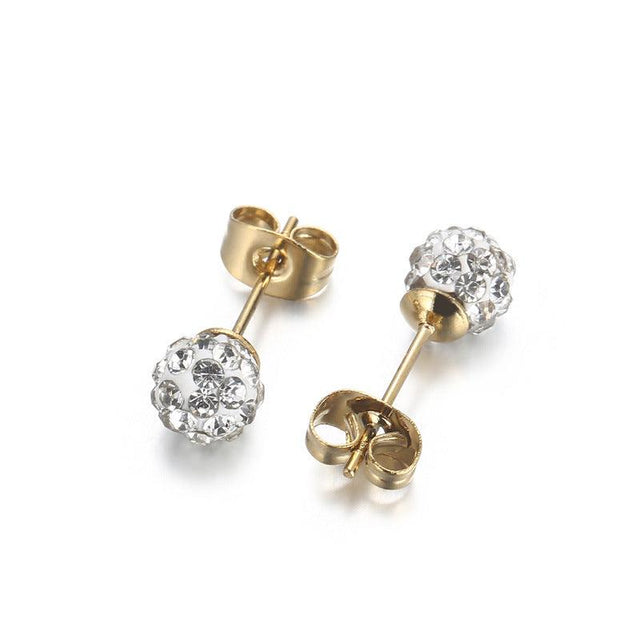
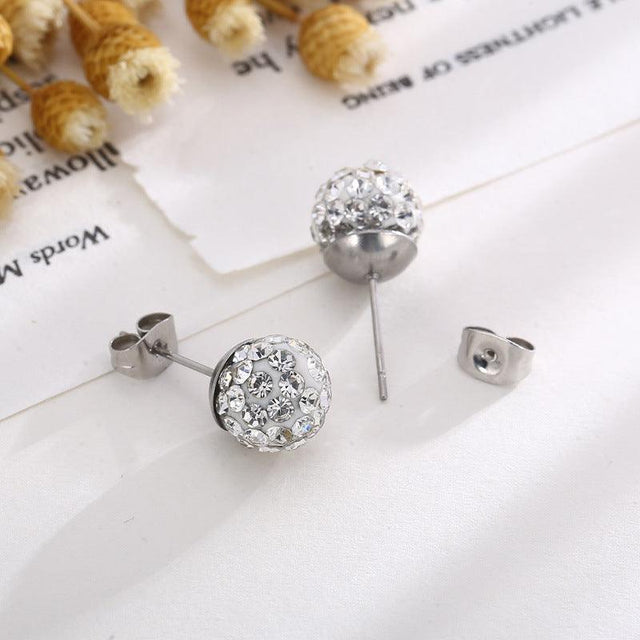
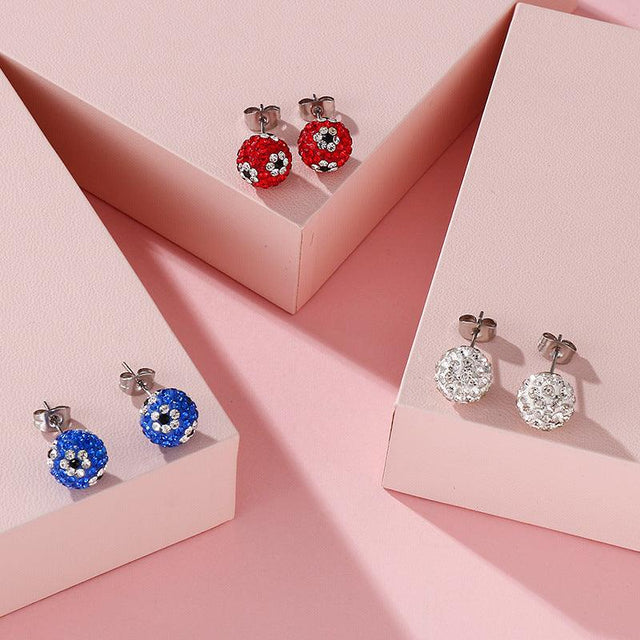
6/8/10/12/14mm Clay Zircon Ball Stud Earrings
Gold-tone · Steel
Stainless steel · 16 variants
8mm Clay Zircon Ball Stud Earrings
Finish specified per order
Stainless steel · 35 variants
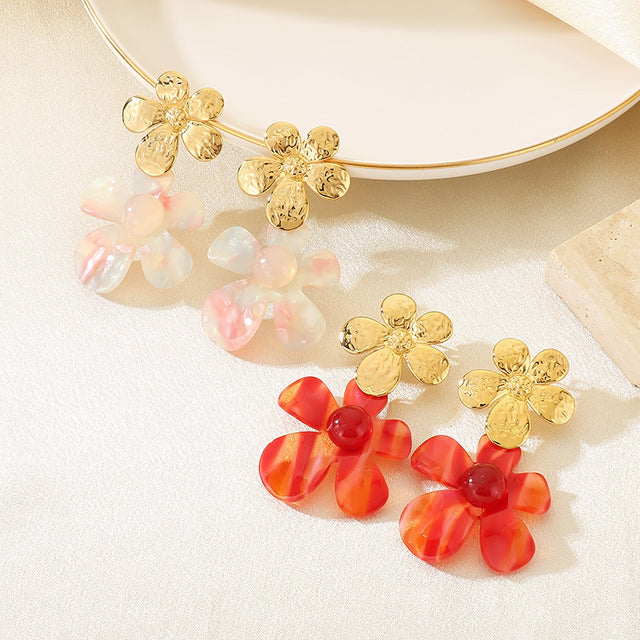
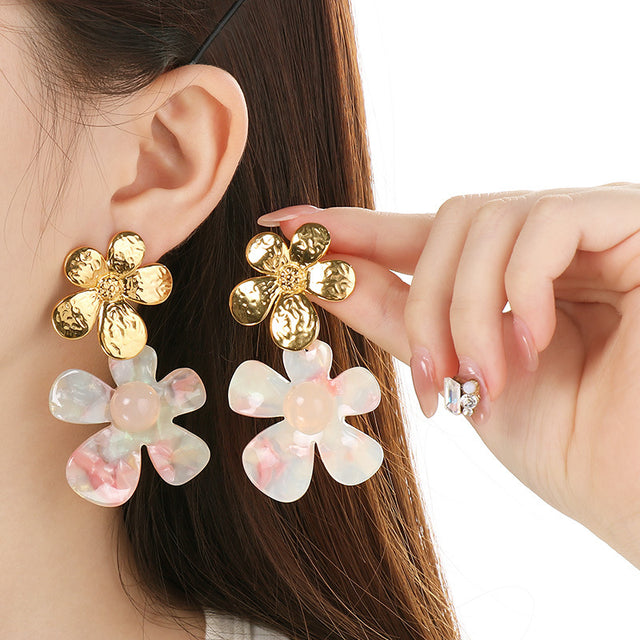
Bold Five-Petal Flower Tassel Earrings
Finish specified per order
Stainless steel · 2 variants
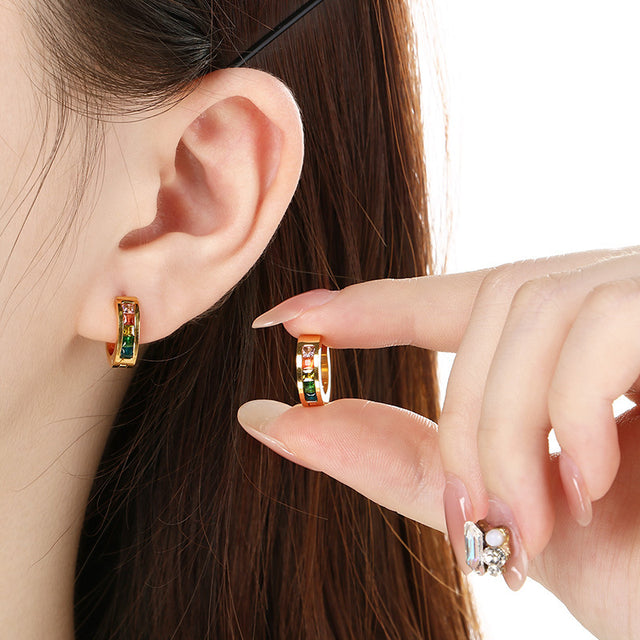
Colorful Cubic Zircon Stainless Steel Hoop Earrings
Finish specified per order
Stainless steel · 4 variants
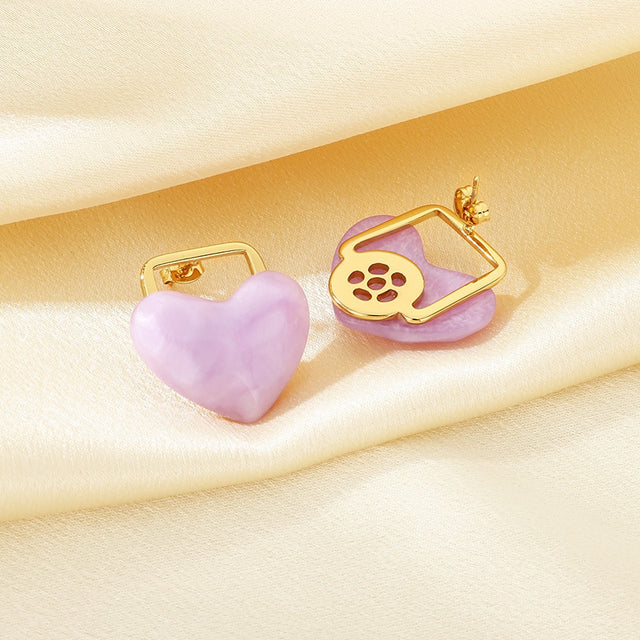
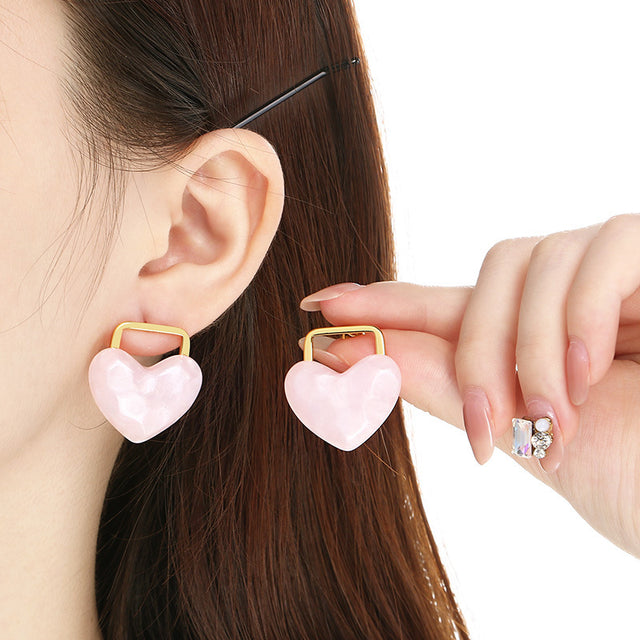
Colorful Stainless Steel Natural Stone Heart Drop Earrings
Finish specified per order
Stainless steel · 5 variants
Drop Earrings Stainless Steel Hoop Earrings
Gold-tone · Steel
Stainless steel · 2 variants
Drop Earrings Stainless Steel Hoop Earrings
Gold-tone · Rose gold-tone · Steel
Stainless steel · Hoop Size: 23mm · 3 variants
Enamel Drip Oil Irregular Pattern Heart Stud Earrings
Black
Stainless steel · 4 variants
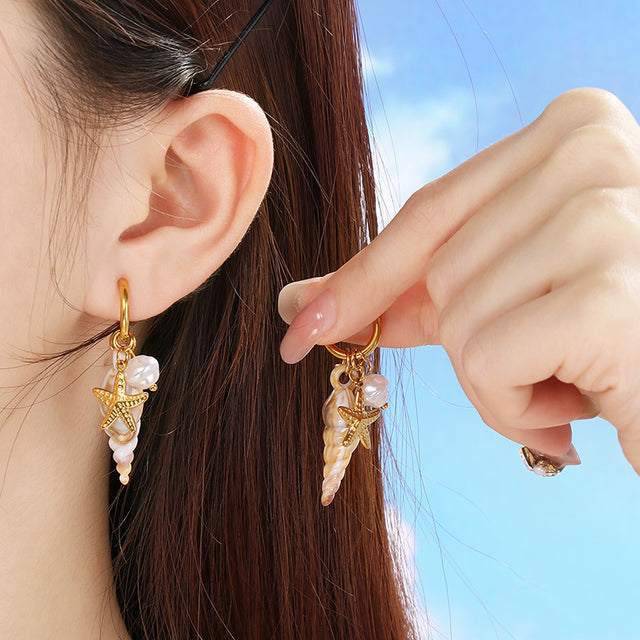
Enamel Marine Drop Earrings Series
Finish specified per order
Stainless steel · 4 variants
French Retro Geometric Hoop Earrings
Finish specified per order
Stainless steel · 17 variants
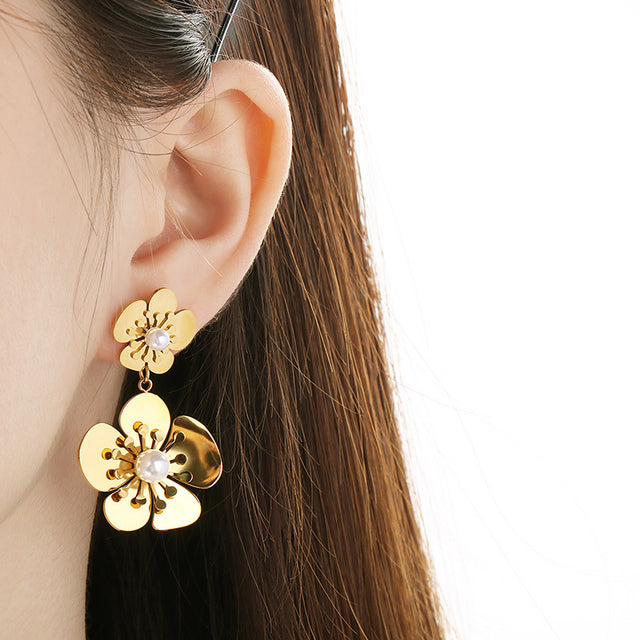
Hollow Geometric Petals Stainless Steel Floral Pearl Earrings
Finish specified per order
Stainless steel · 7 variants
Hollow Marquise Zircon Stainless Steel Stud Earrings
Gold-tone · Steel
Stainless steel · 2 variants
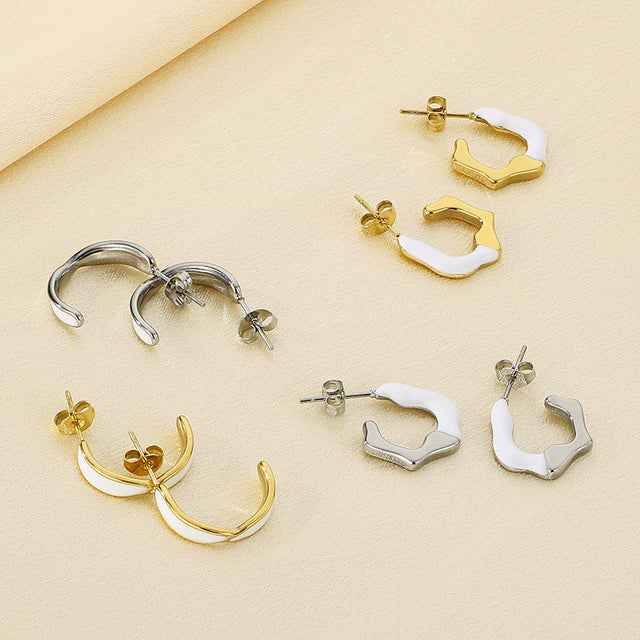
Irregular Enamel C-Shaped Stainless Steel Stud Earrings
Finish specified per order
Stainless steel · 3 variants
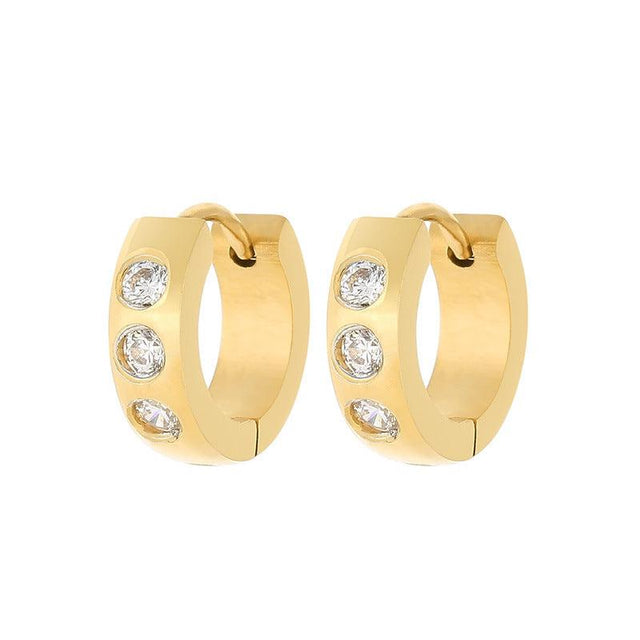
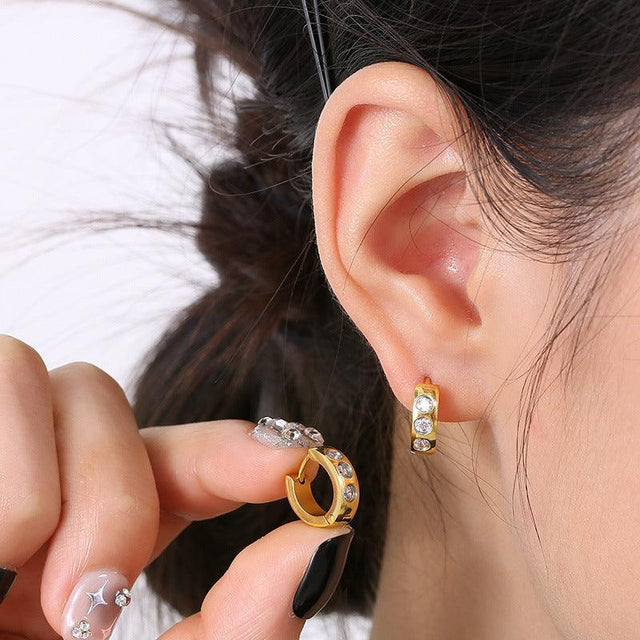
13x4mm Stainless Steel Zircon C-Shaped Hinged Hoop Earrings
Gold-tone · Steel · Black
Stainless steel · Hoop Size: 13mm · 3 variants
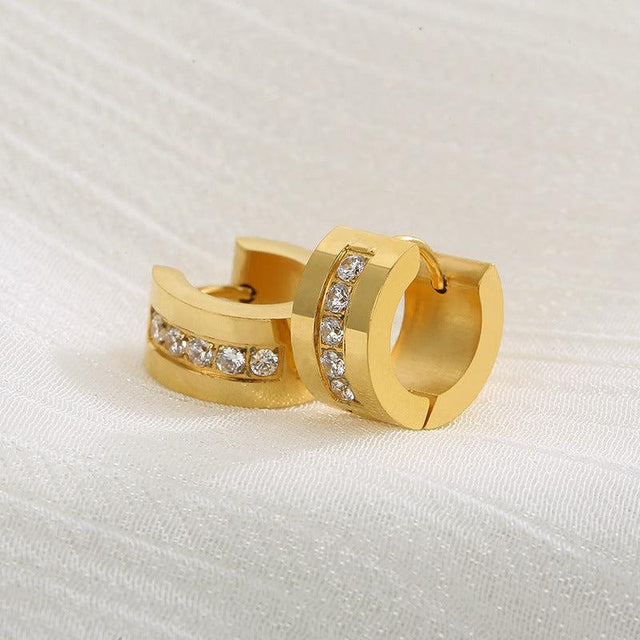
13x7mm Stainless Steel Zircon C-Shape Huggie Hoop Earrings
Gold-tone · Steel · Black
Stainless steel · Hoop Size: 13mm · 3 variants
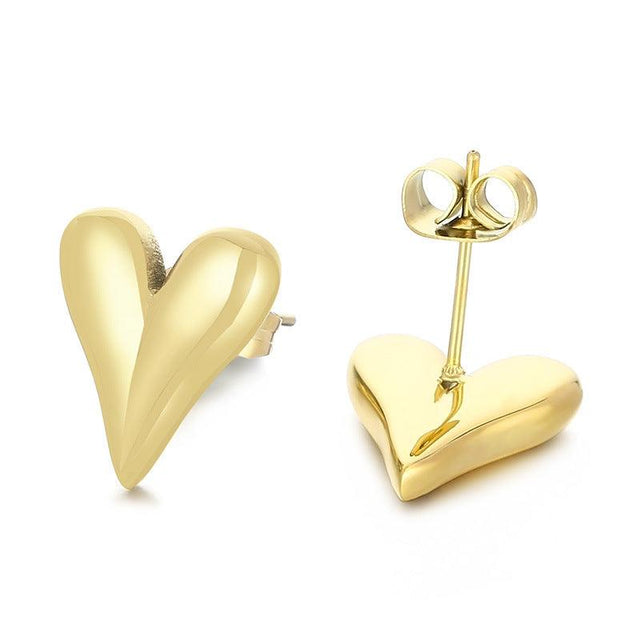
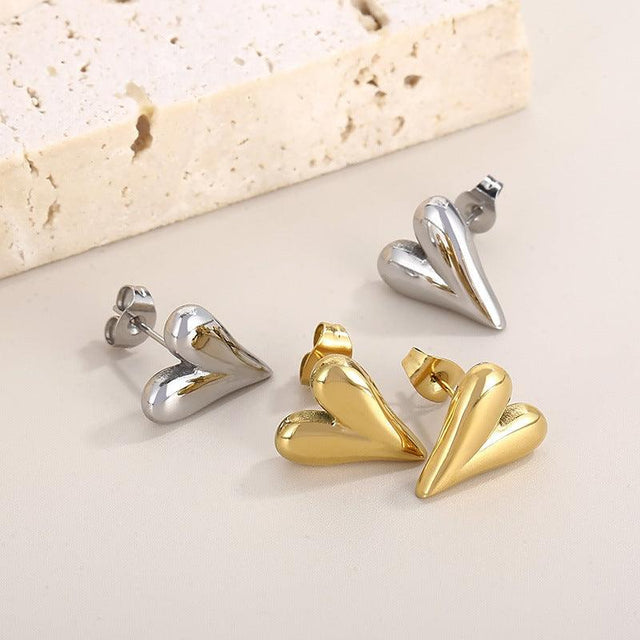
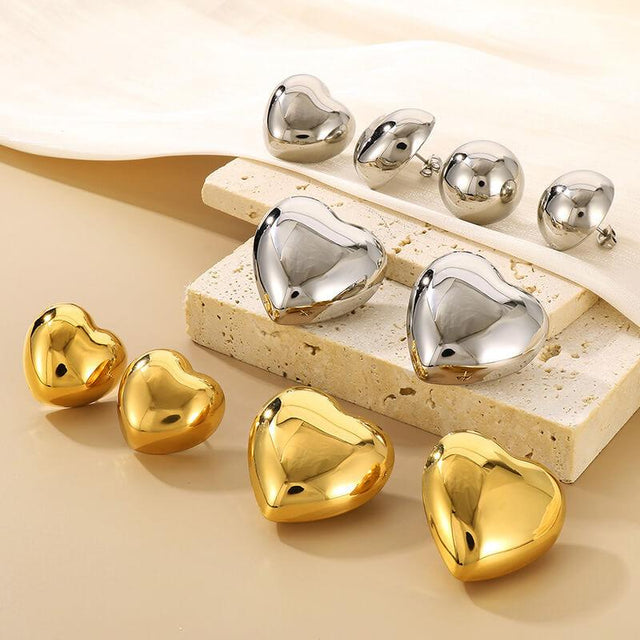
14x12mm Stainless Steel Heart Stud Earrings
Gold-tone · Steel · Rose gold-tone
Stainless steel · 13 variants
15x13mm Stainless Steel Zircon C-Shaped Hoop Earrings
Steel · Gold-tone · Black
Stainless steel · Hoop Size: 15mm · 3 variants
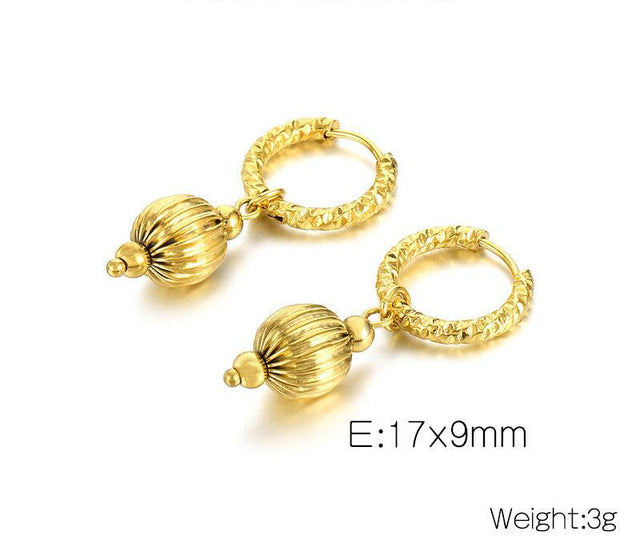
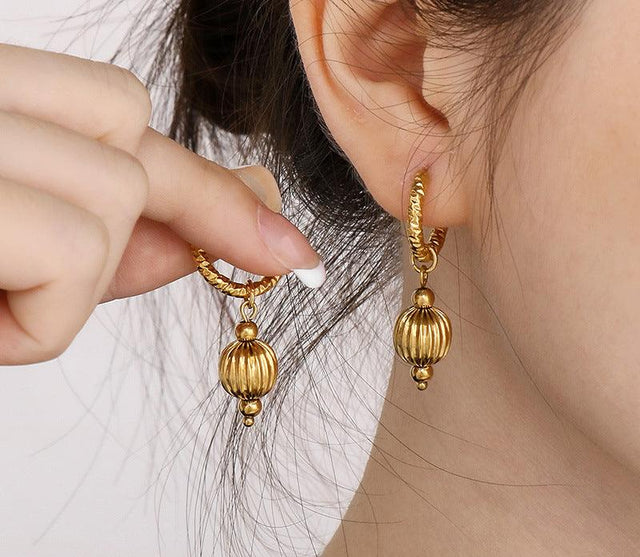
17/22mm Stainless Steel Chunky Lantern Hoop Drop Earrings
Gold-tone · Steel
Stainless steel · Hoop Size: 22mm–17mm · 4 variants
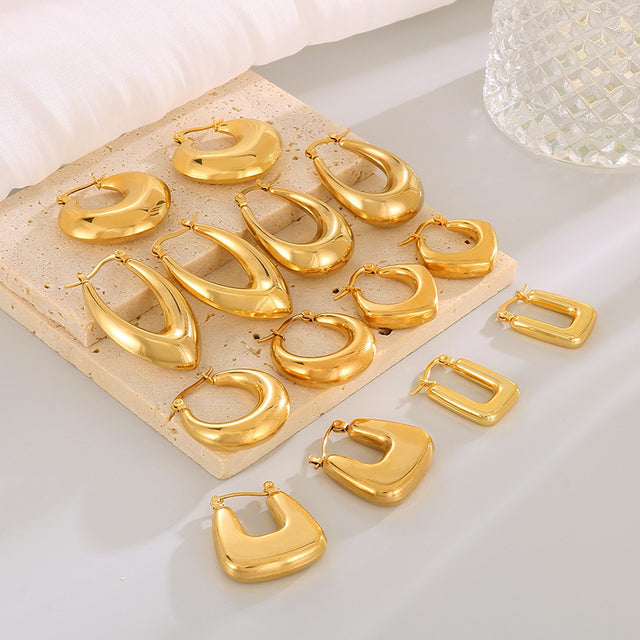
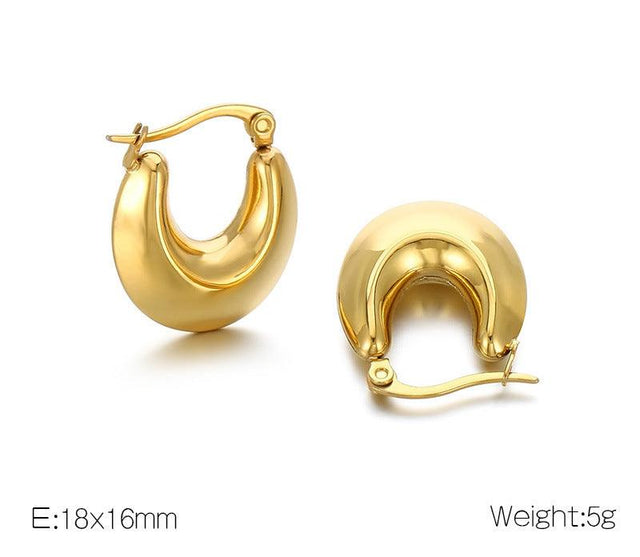
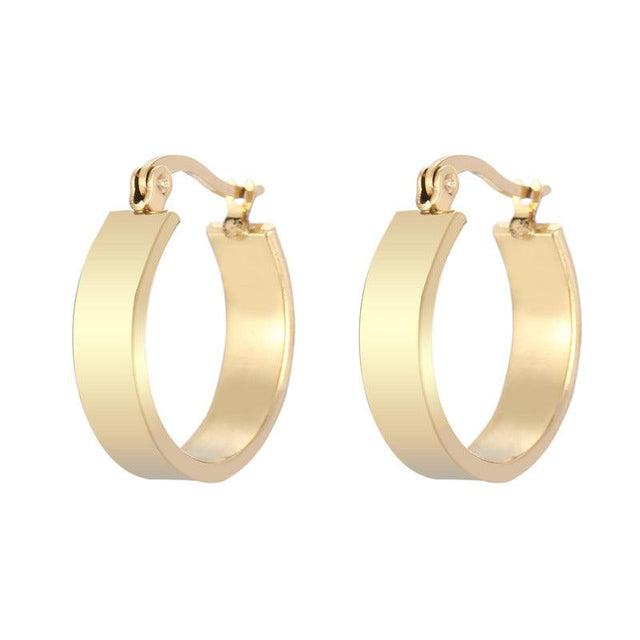
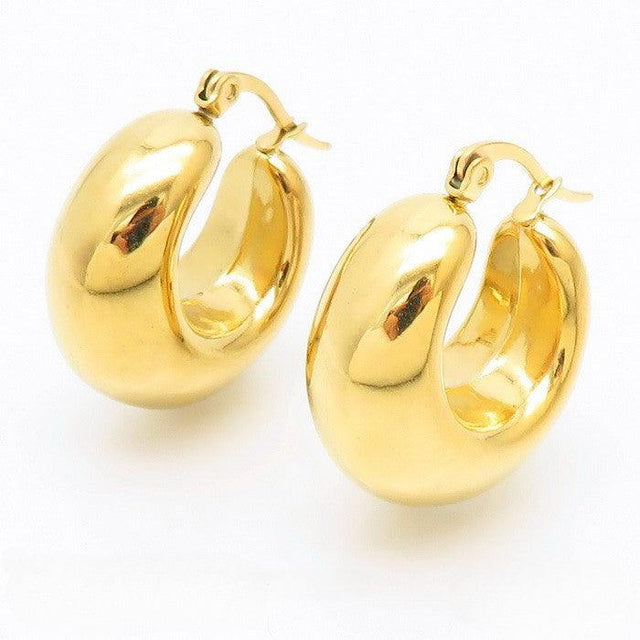
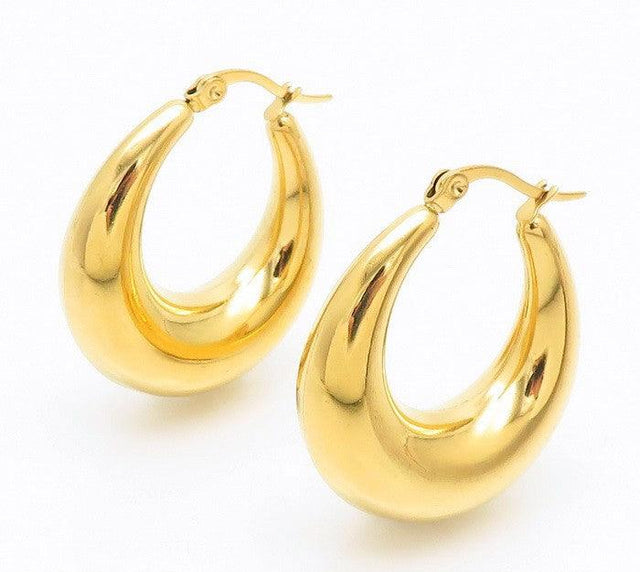
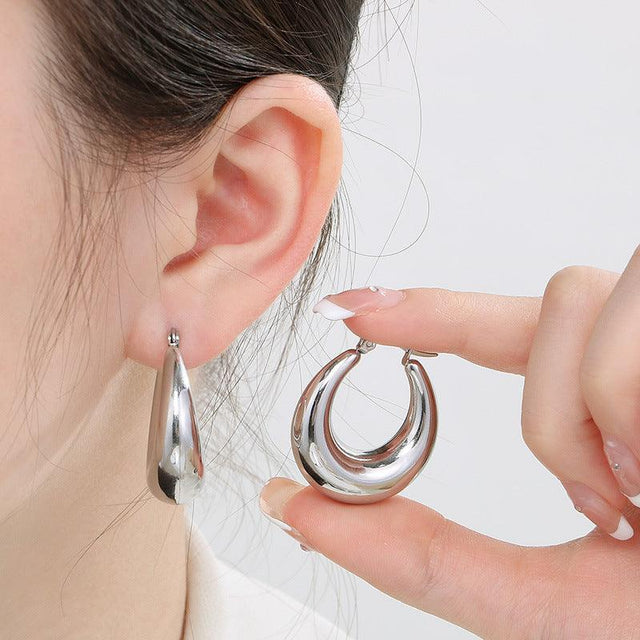
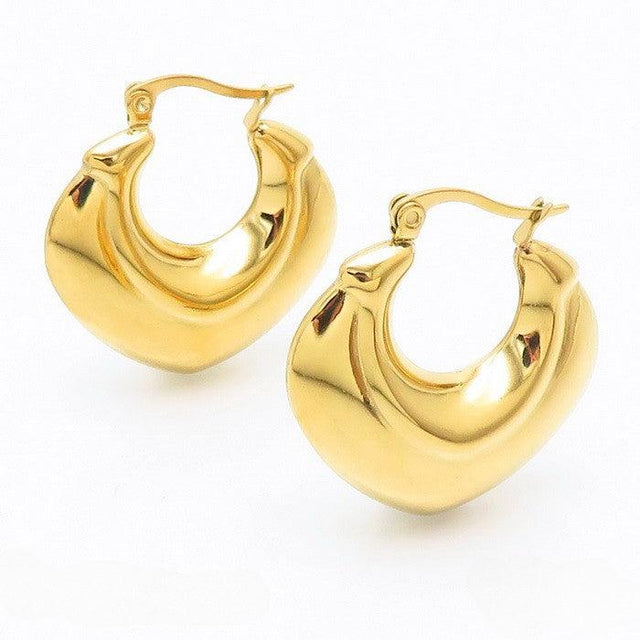
18x16mm Stainless Steel Chunky U-Shape Hoop Earrings
Gold-tone · Rose gold-tone · Steel
Stainless steel · Hoop Size: 18mm · 3 variants
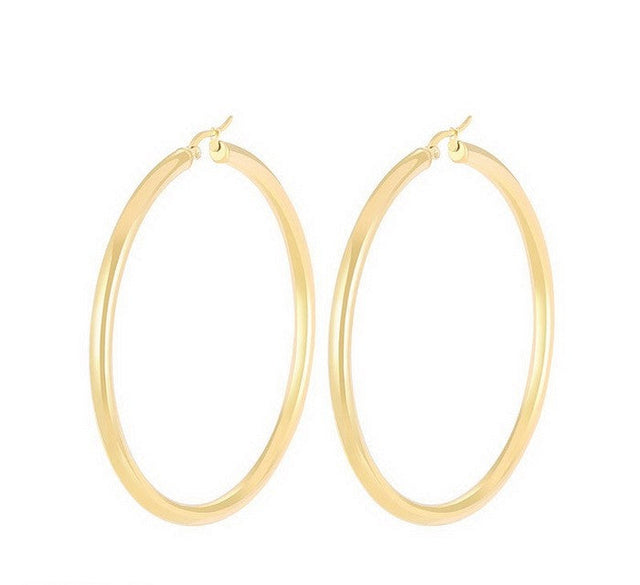
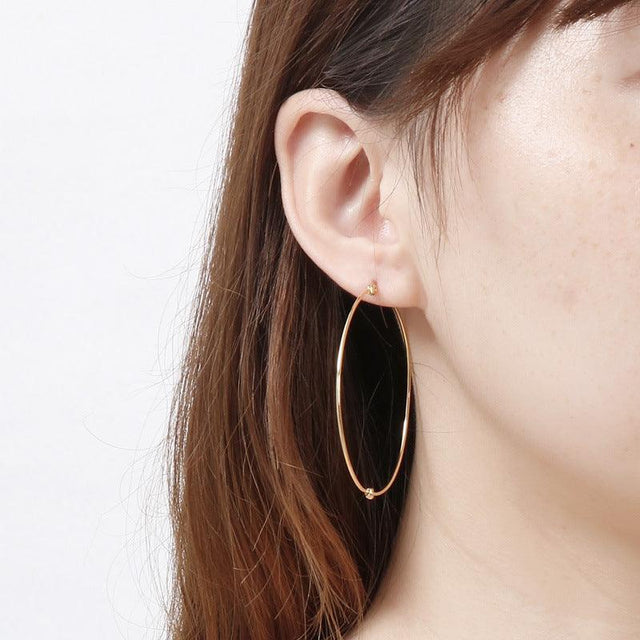
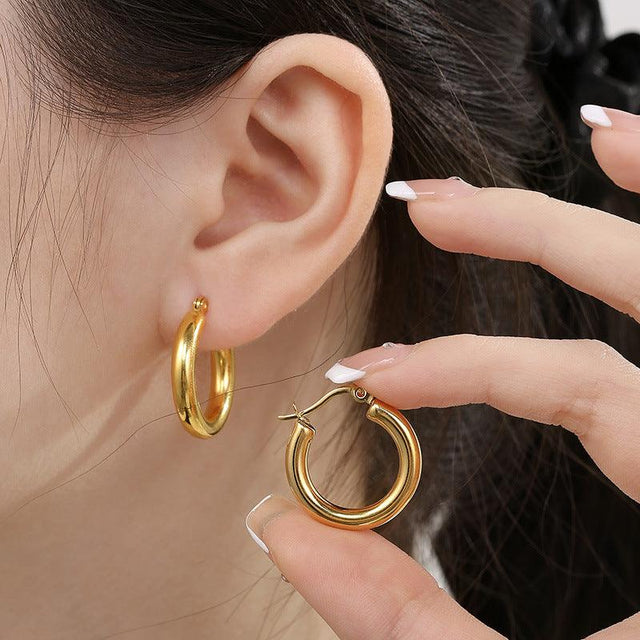
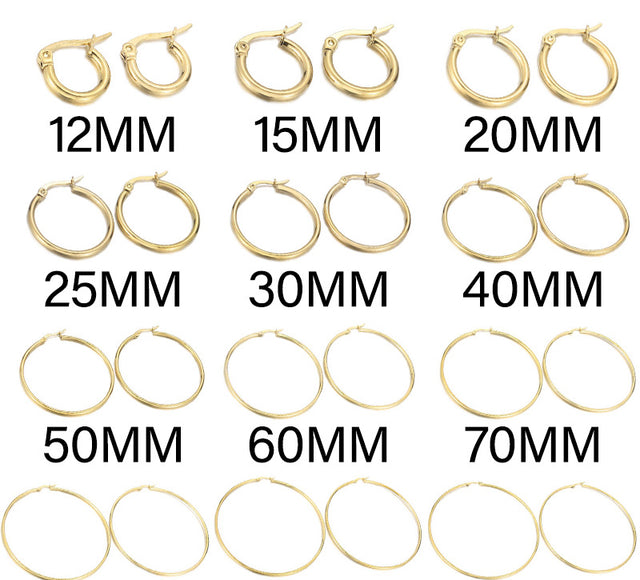
20/25/30 /40/50/60 /70/80x5mm Stainless Steel Tube Hoop Earrings
Gold-tone · Steel
Stainless steel · Hoop Size: 20mm–25mm · 12 variants
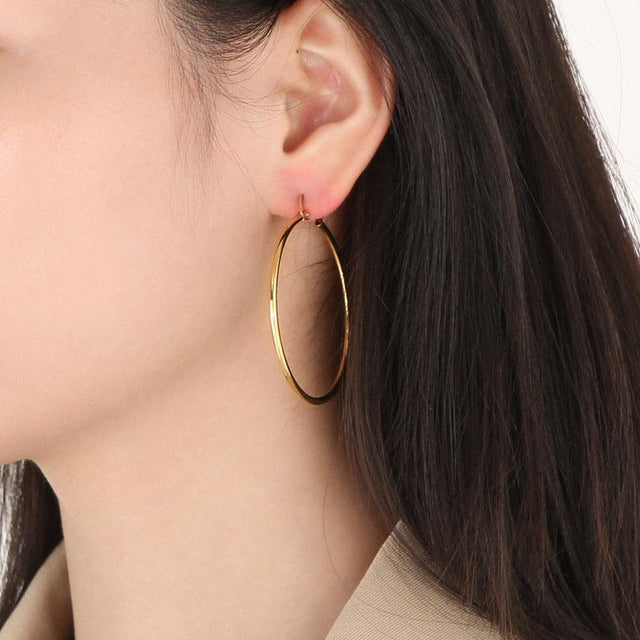
20/30/40 /50/60/70x4mm Stainless Steel Tube Hoop Earrings
Gold-tone · Steel
Stainless steel · Hoop Size: 20mm–70mm · 6 variants
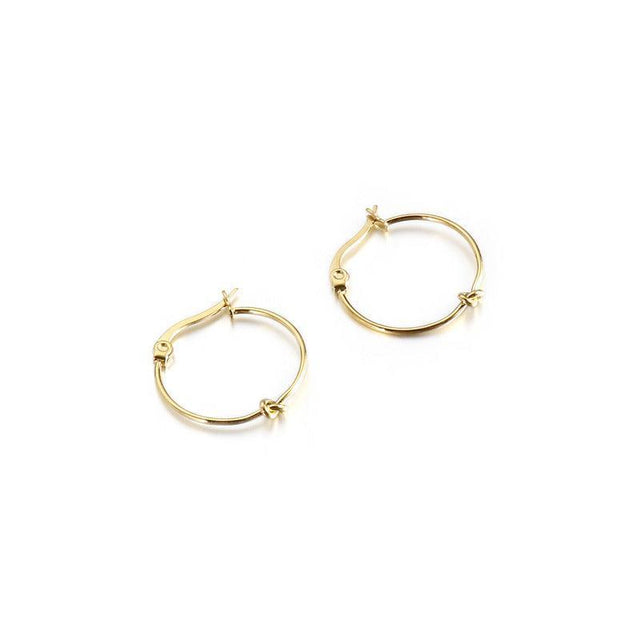
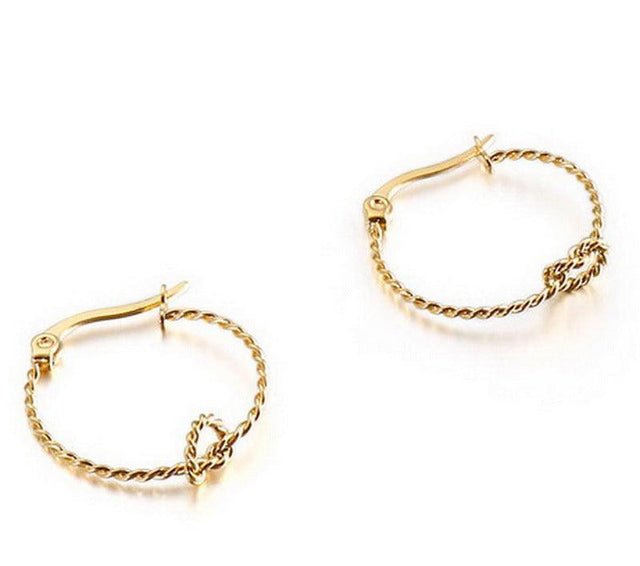
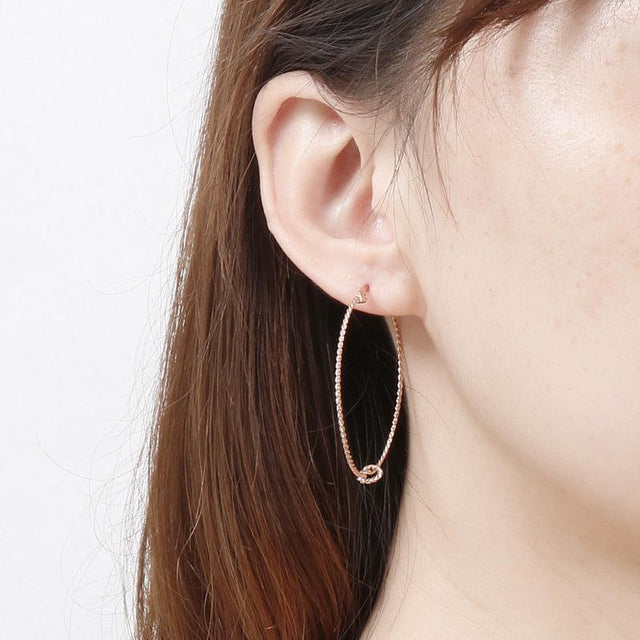
20/30/40/50mm Stainless Steel Circle Knot Hoop Earrings
Gold-tone · Steel · Rose gold-tone
Stainless steel · Hoop Size: 20mm–50mm · 12 variants
20/30/40/50mm Stainless Steel Knot Hoop Earrings
Gold-tone · Steel · Rose gold-tone
Stainless steel · Hoop Size: 20mm–50mm · 12 variants
20mm Stainless Steel C-Shape Twist Stud Earrings
Steel · Gold-tone · Rose gold-tone
Stainless steel · 3 variants
20mm Stainless Steel C-Shape Hoop Earrings
Gold-tone · Steel
Stainless steel · Hoop Size: 20mm · 2 variants
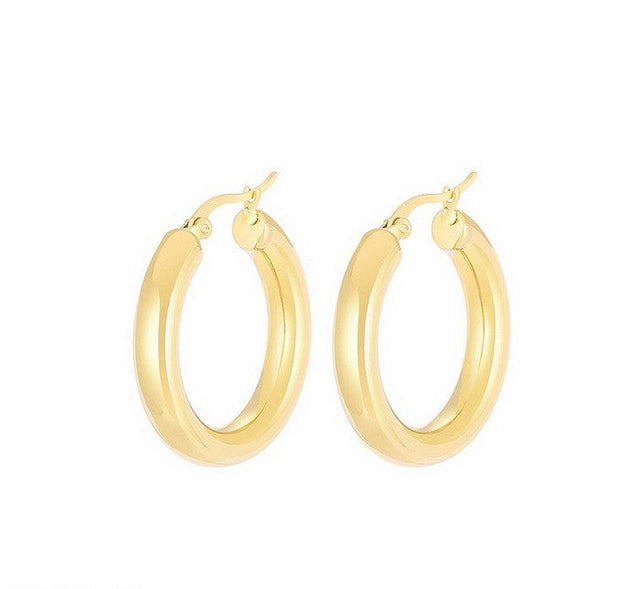
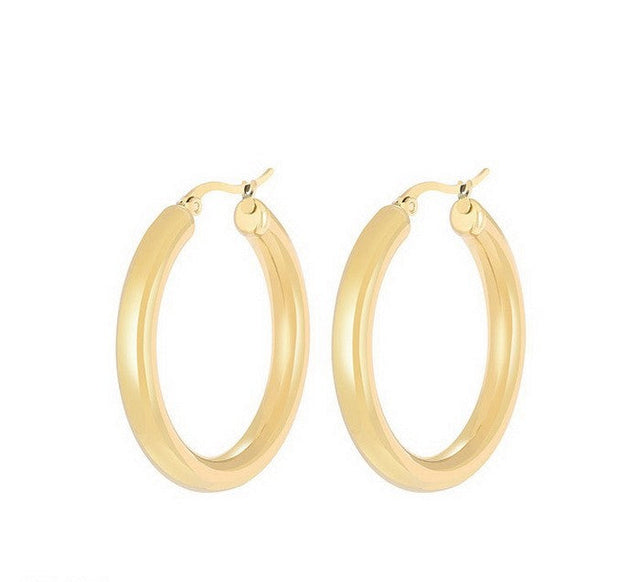
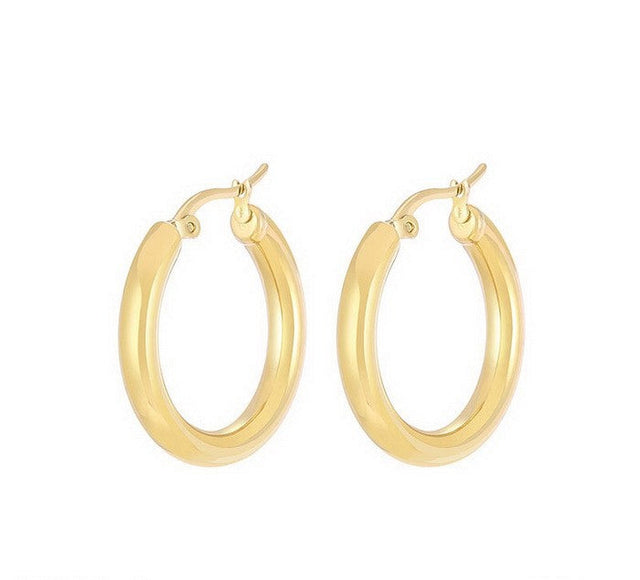
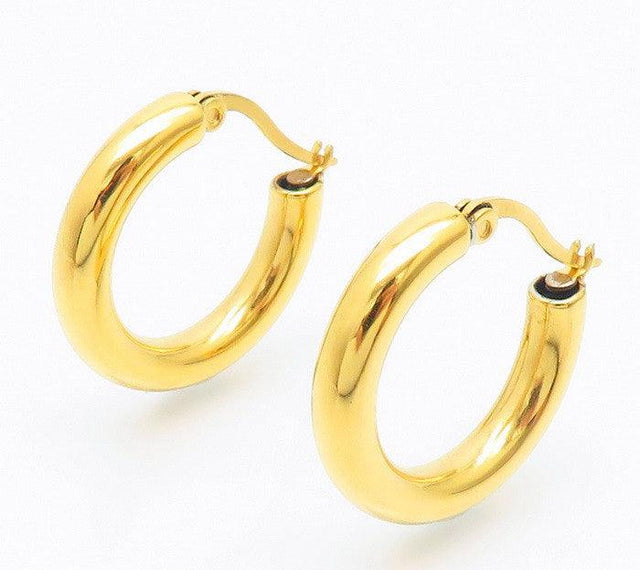
22mm Stainless Steel Circle Chunky Hoop Earrings
Gold-tone · Steel
Stainless steel · Size: 22mm · 2 variants
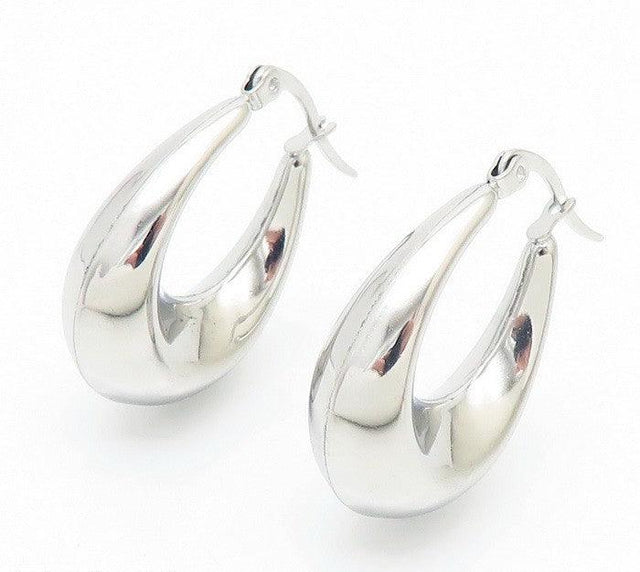
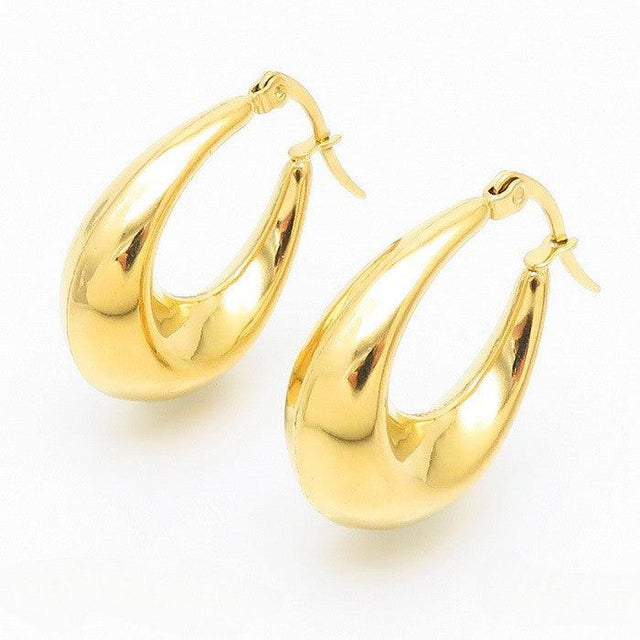
22x12mm Stainless Steel Chunky U-Shape Hoop Earrings
Gold-tone · Steel
Stainless steel · Hoop Size: 22mm · 2 variants
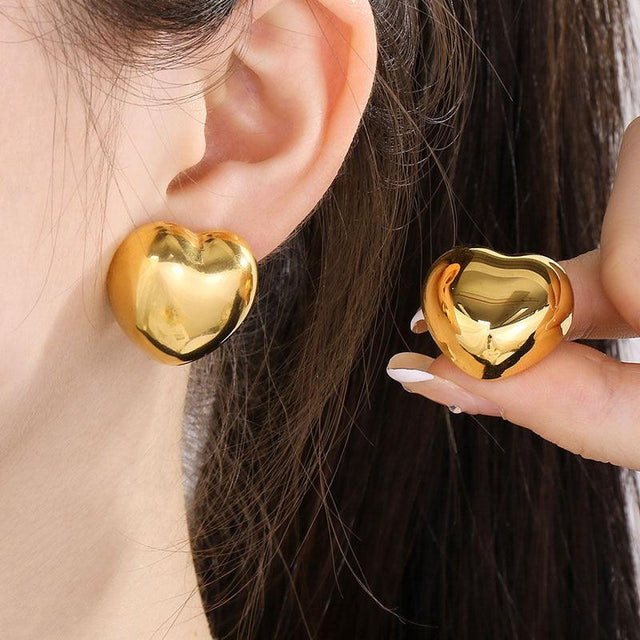
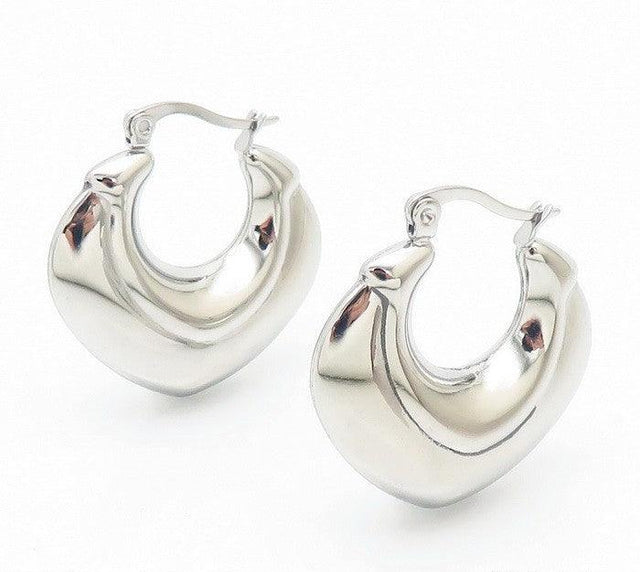
23/20mm Stainless Steel Chunky Heart Stud Earrings
Gold-tone · Steel
Stainless steel · 3 variants
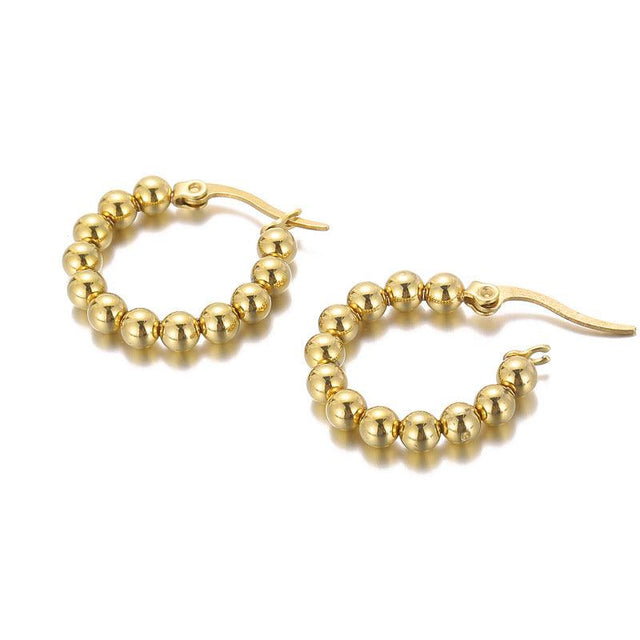
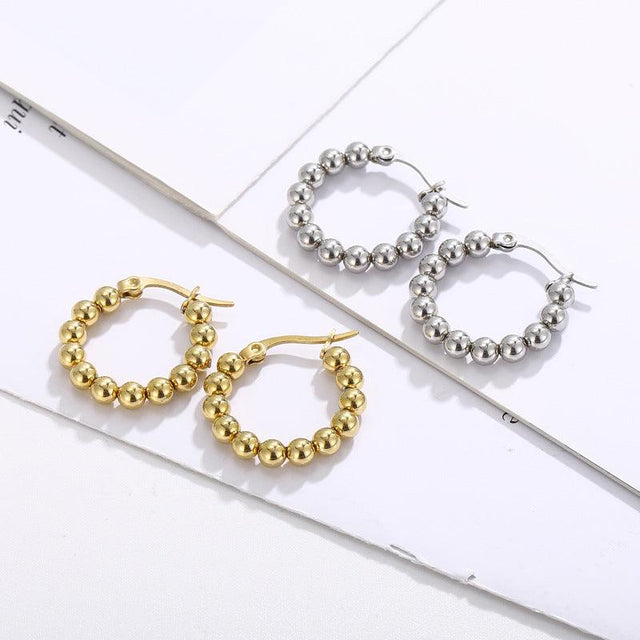
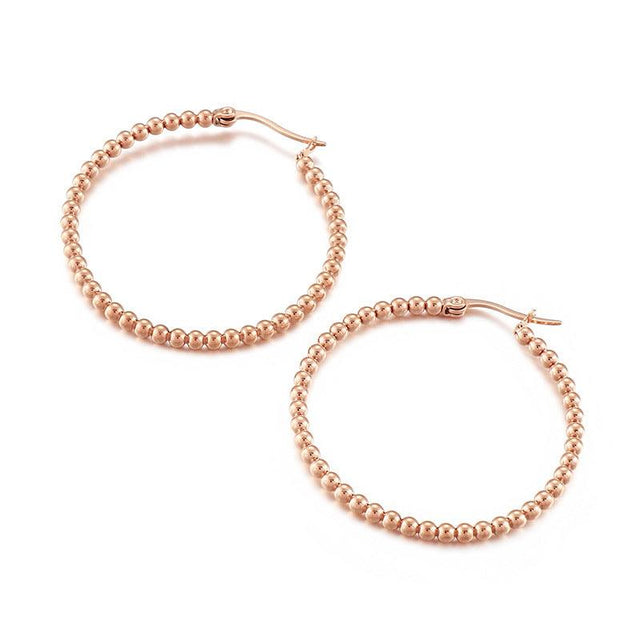
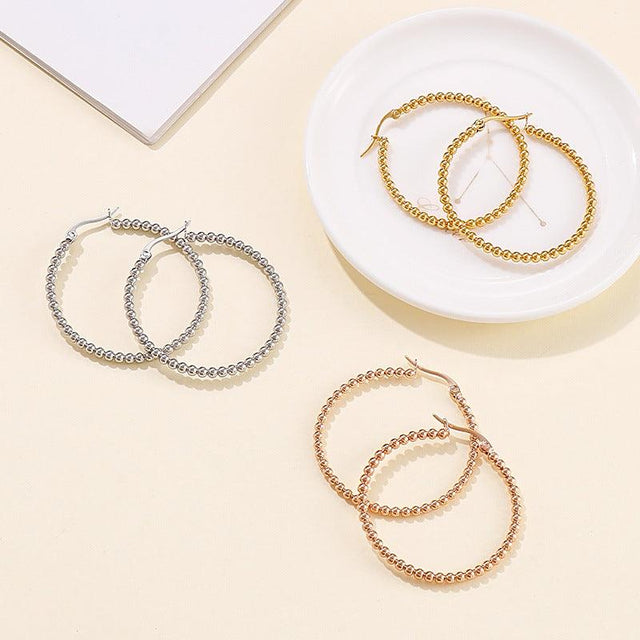
23mm Stainless Steel Bead Circle Hoop Earrings
Gold-tone · Steel
Stainless steel · Hoop Size: 23mm · 2 variants
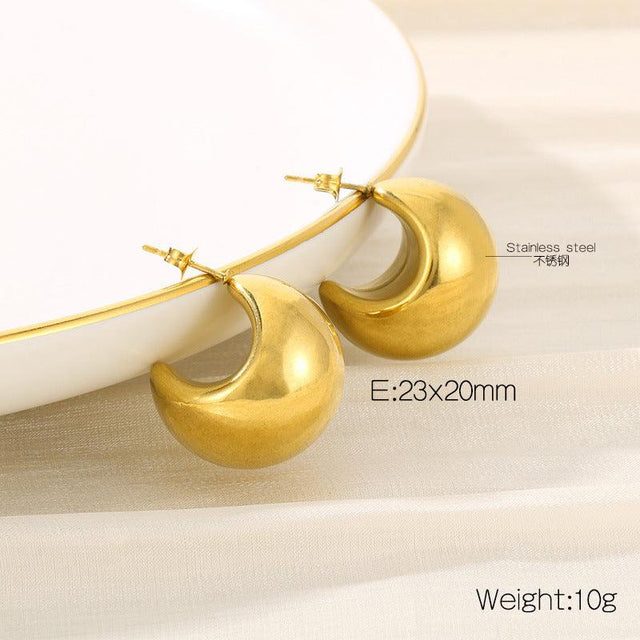
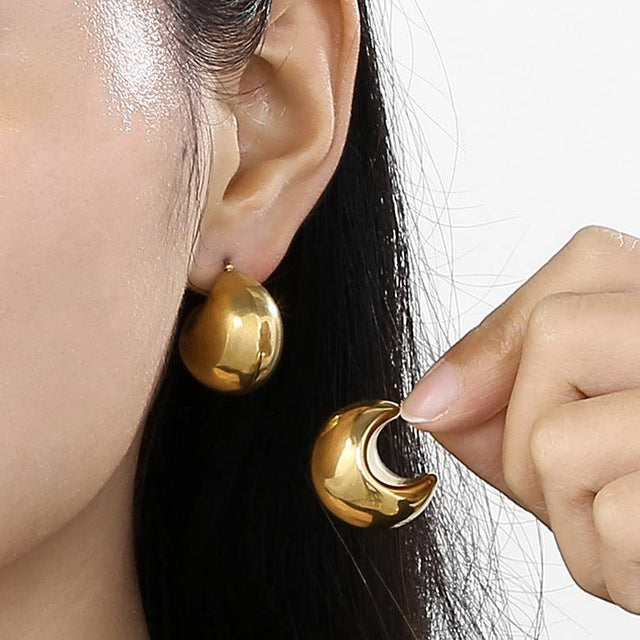
23x20mm Stainless Steel C-Shaped Chunky Stud Earrings
Gold-tone · Rose gold-tone
Stainless steel · Hoop Size: 20mm · 2 variants
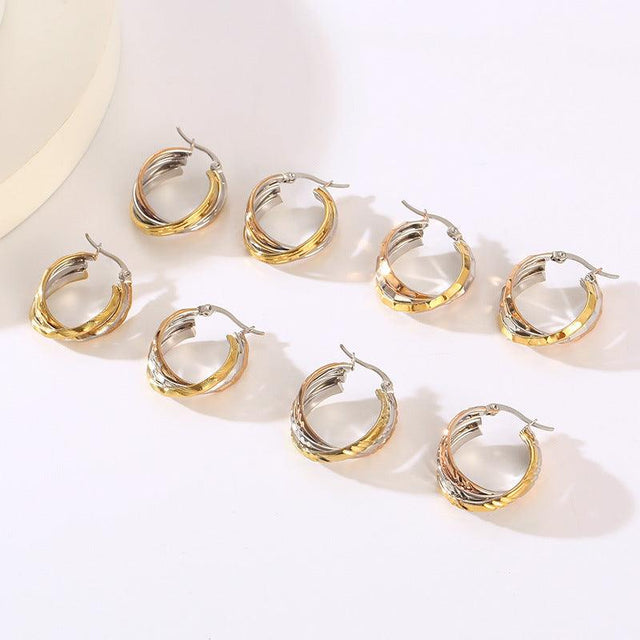
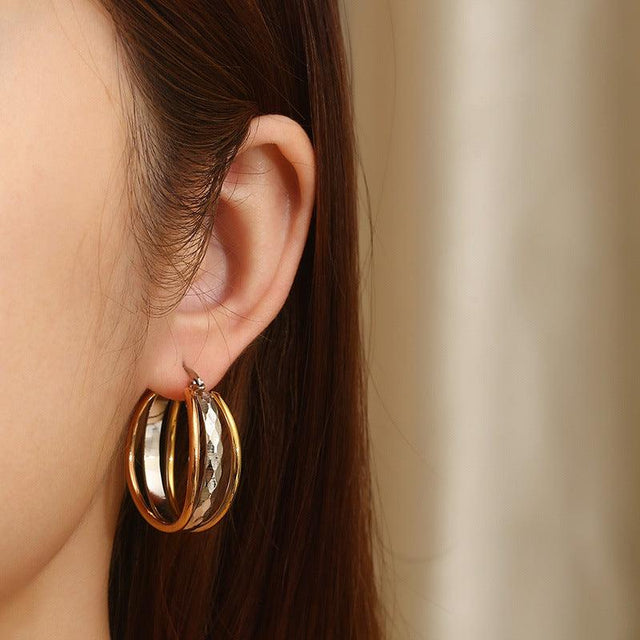
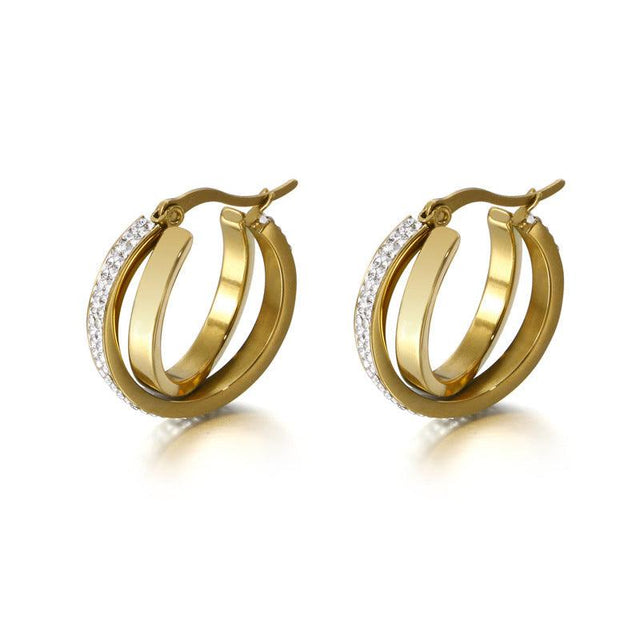
25mm Stainless Steel Three Color Ring Hoop Earrings
Finish specified per order
Stainless steel · Hoop Size: 25mm · 8 variants
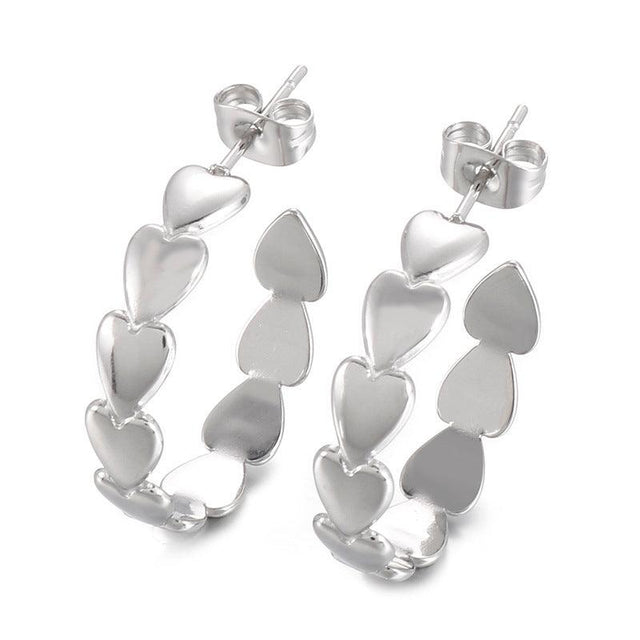
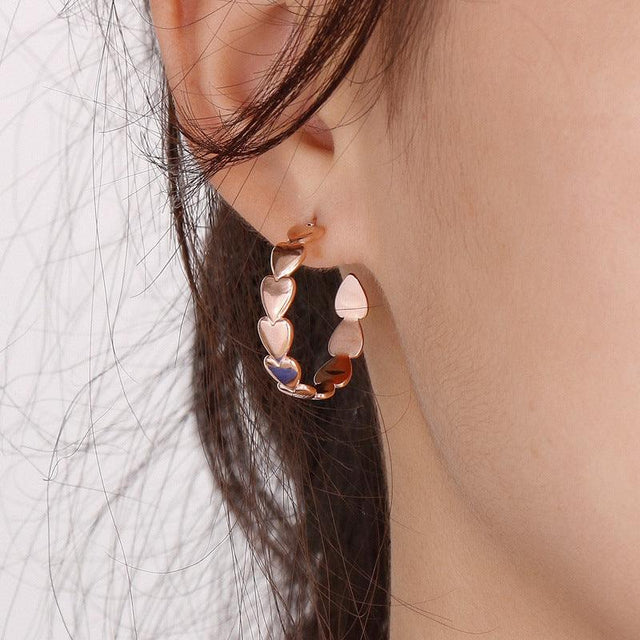
25x5mm Stainless Steel Heart Chain C-Shape Stud Earrings
Steel · Rose gold-tone
Stainless steel · Hoop Size: 25mm · 2 variants
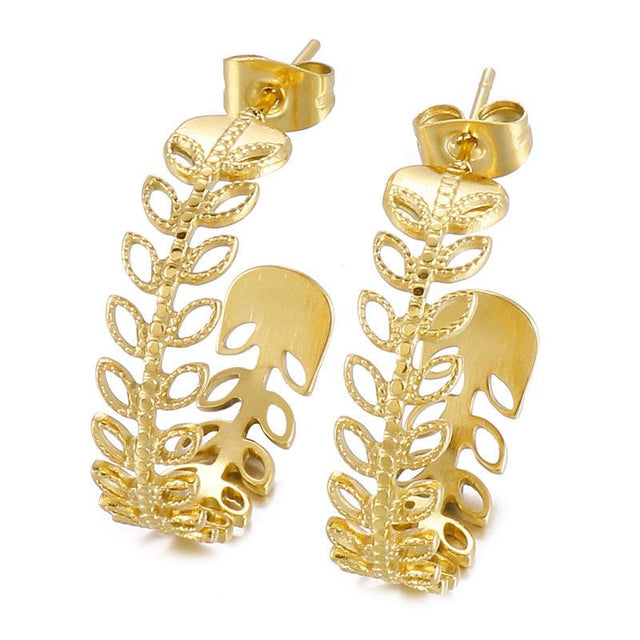
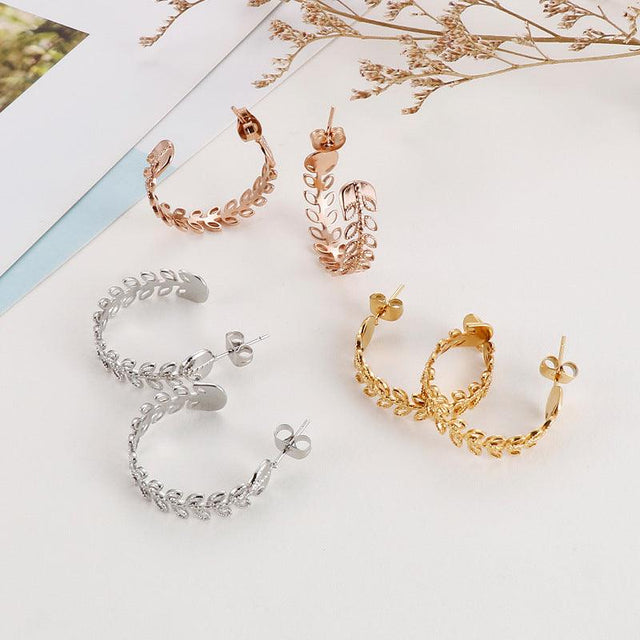
25x6mm Steel Olive Branch C-Shape Stud Earrings
Gold-tone · Steel · Rose gold-tone
Stainless steel · Hoop Size: 25mm · 3 variants
25x9mm Stainless Steel Clay Zircon Rotatable Hoop Earrings
Gold-tone · Steel · Rose gold-tone
Stainless steel · Hoop Size: 25mm · 3 variants
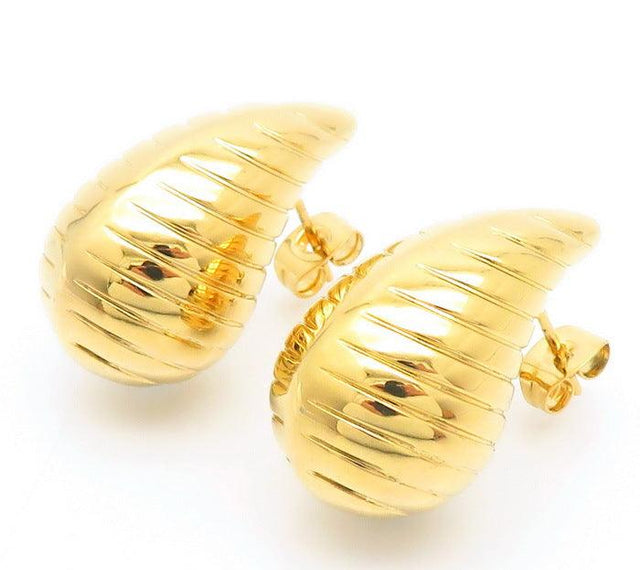
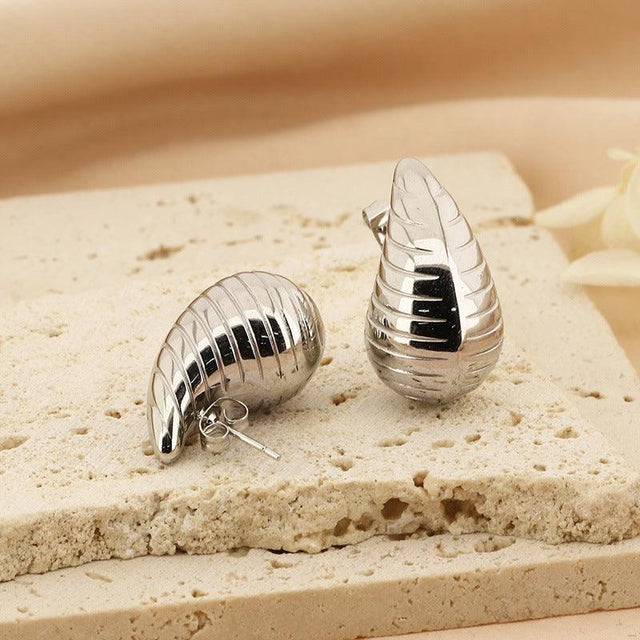
26x15mm Stainless Steel Waterdrop Chunky Stud Earrings
Gold-tone · Steel · Rose gold-tone
Stainless steel · 3 variants
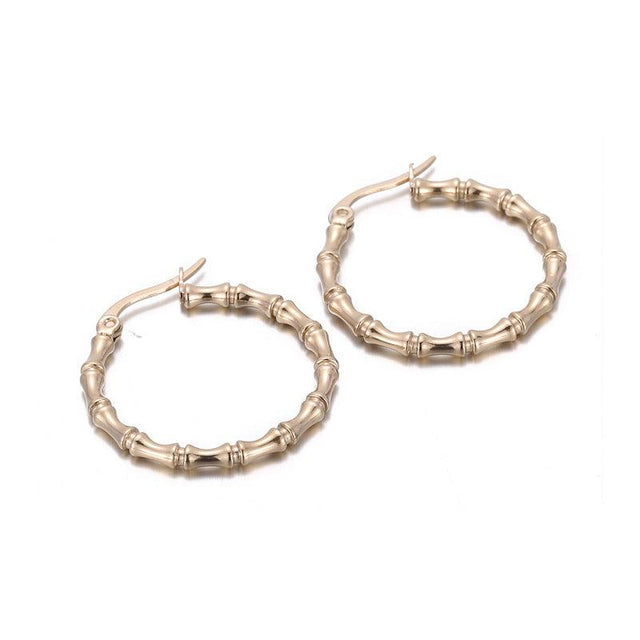
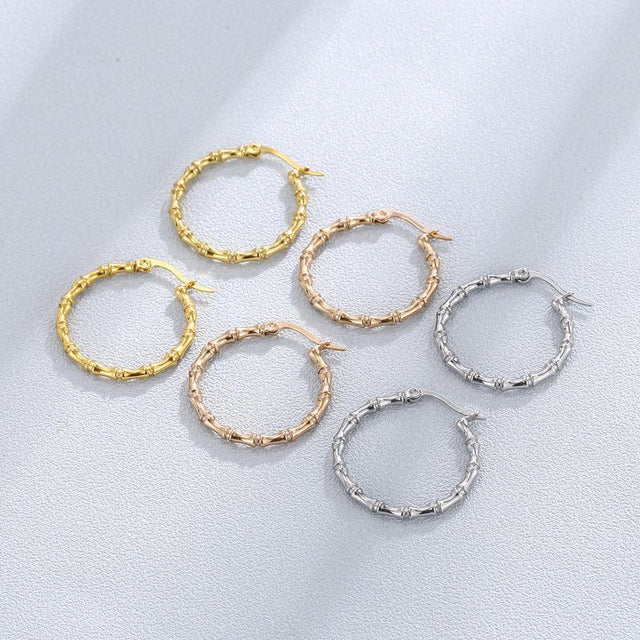
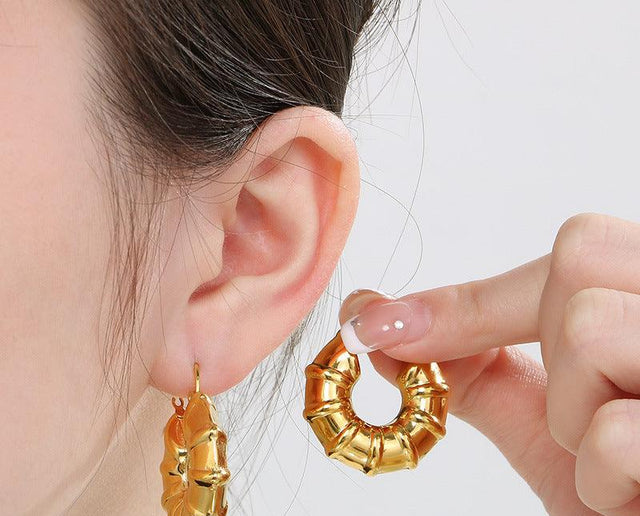
26x2.5mm Stainless Steel Bamboo Circle Hoop Earrings
Rose gold-tone · Gold-tone · Steel
Stainless steel · Hoop Size: 25mm · 3 variants
27/40mm Stainless Steel Bead Hoop Earrings
Rose gold-tone · Gold-tone · Steel
Stainless steel · Hoop Size: 40mm–27mm · 6 variants
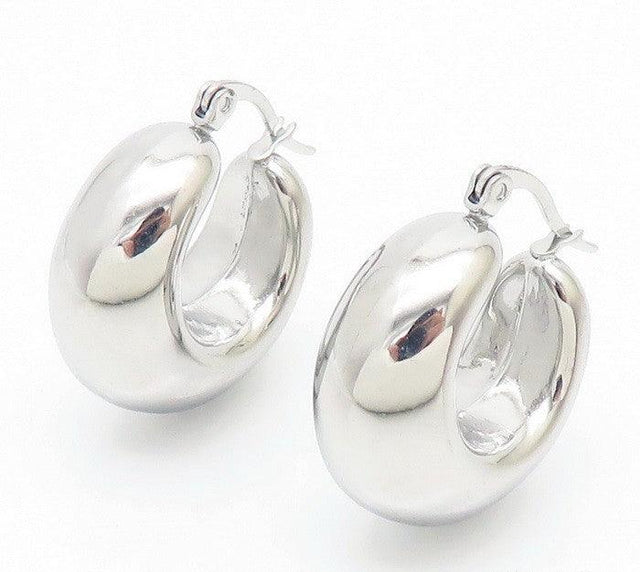
28x24mm Stainless Steel Chunky U-Shape Hoop Earrings
Gold-tone · Steel
Stainless steel · Hoop Size: 28mm · 2 variants
28x24mm Stainless Steel Chunky U-Shape Hoop Earrings
Gold-tone · Steel
Stainless steel · Hoop Size: 28mm · 2 variants
28x24mm Stainless Steel Chunky U-Shape Hoop Earrings
Gold-tone · Steel
Stainless steel · Hoop Size: 23mm · 2 variants
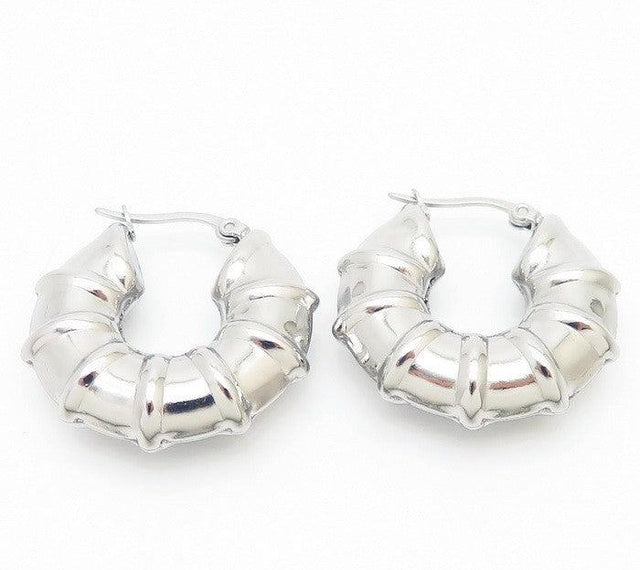
28x8mm Stainless Steel Chunky Bamboo Hoop Earrings
Gold-tone · Steel
Stainless steel · Hoop Size: 28mm · 2 variants
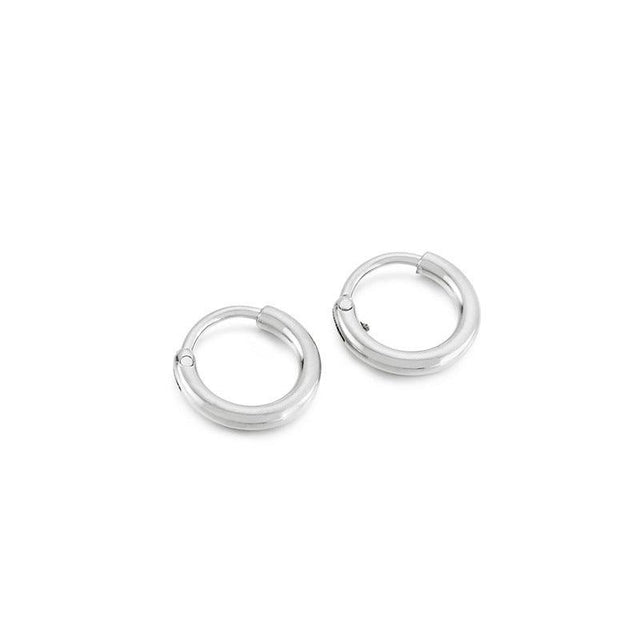
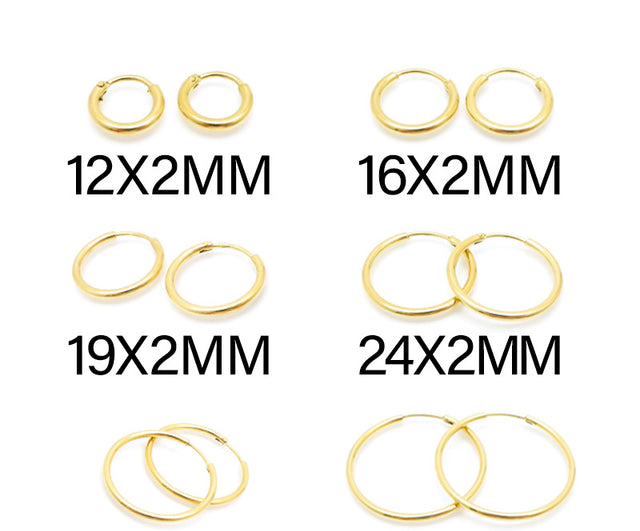
2mm Circle Hoop Earrings
Gold-tone
Stainless steel · Hoop Size: 12mm–100mm · 12 variants
2mm Circle Hoop Earrings
Steel · Gold-tone
Stainless steel · Hoop Size: 12mm–34mm · 12 variants
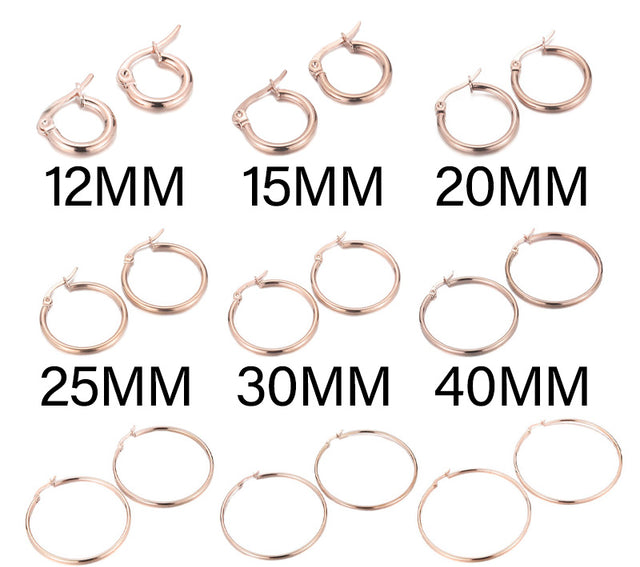
2mm Rose Gold Circle Hoop Earrings
Rose gold-tone
Stainless steel · Hoop Size: 12mm–70mm · 9 variants
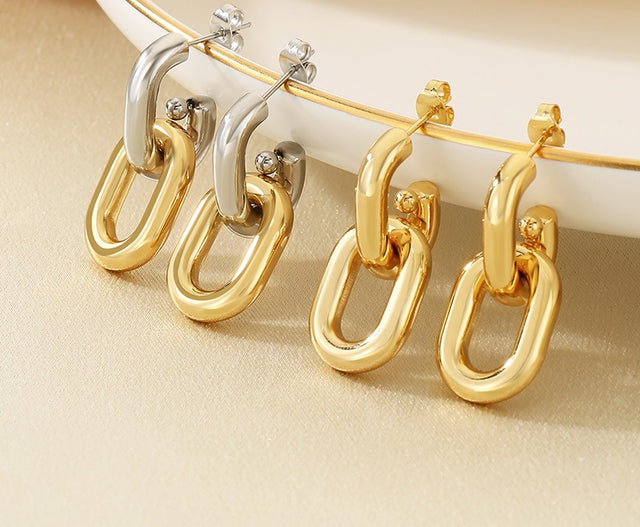
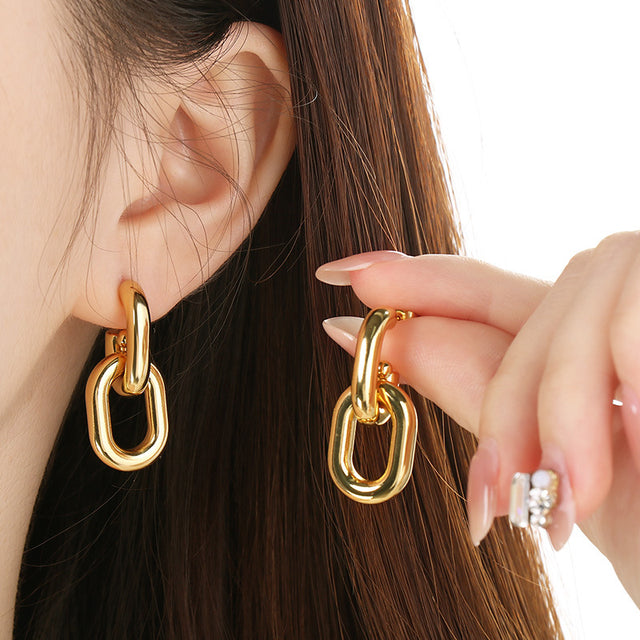
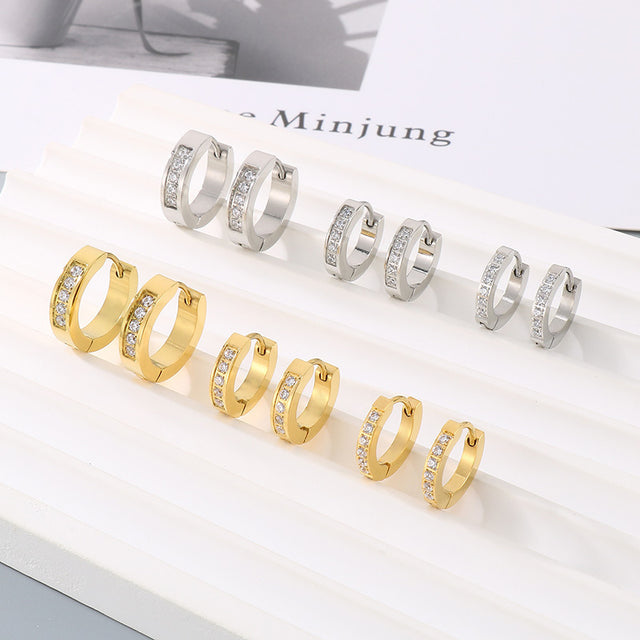
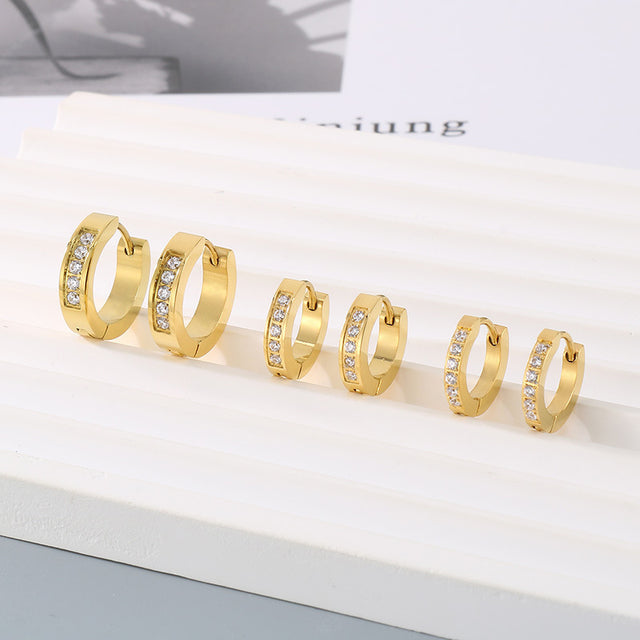

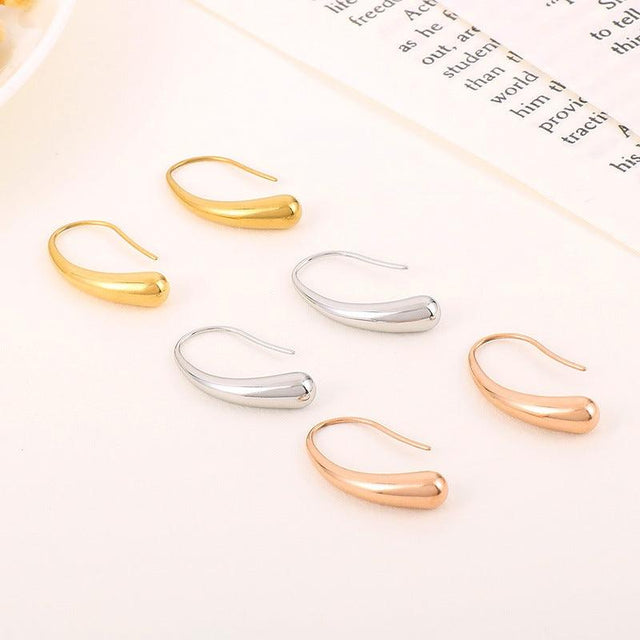
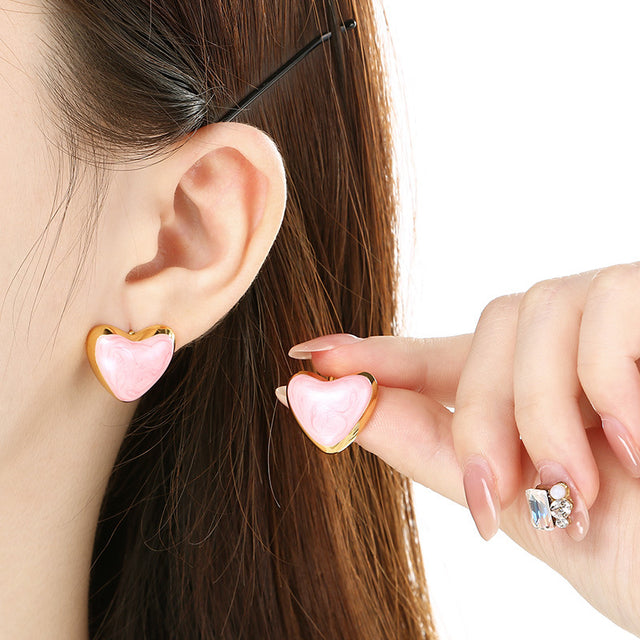
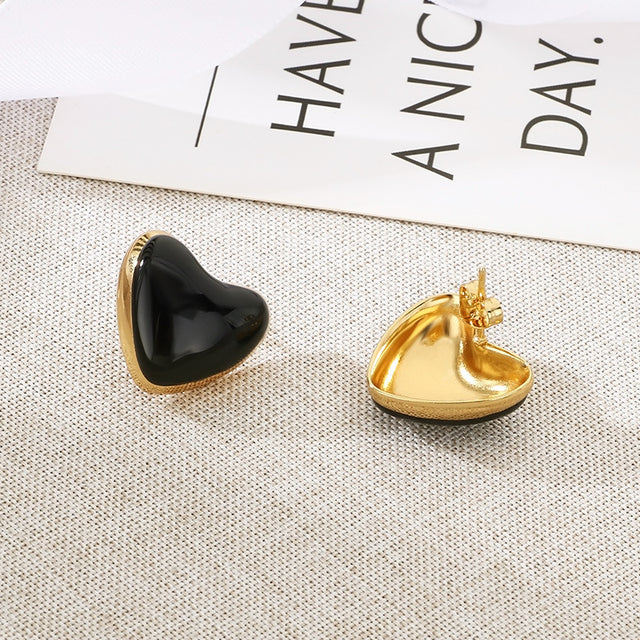
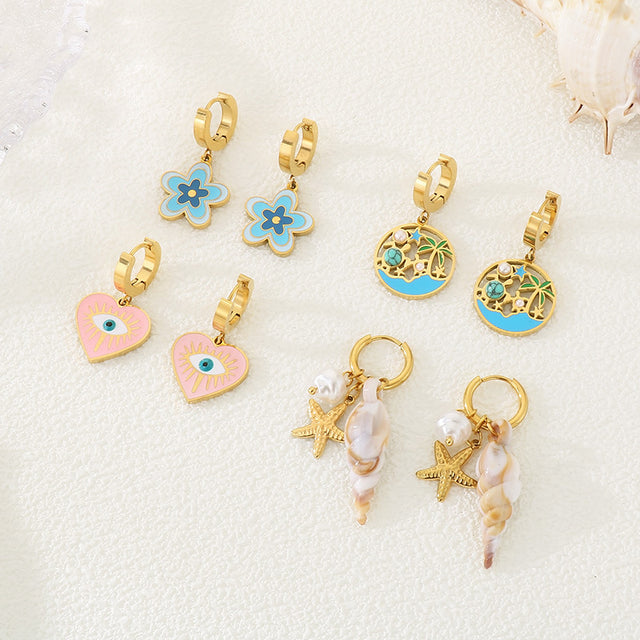
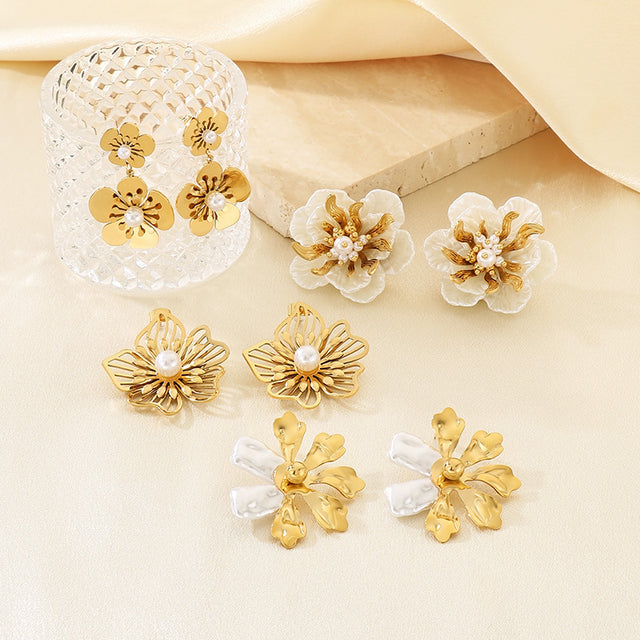
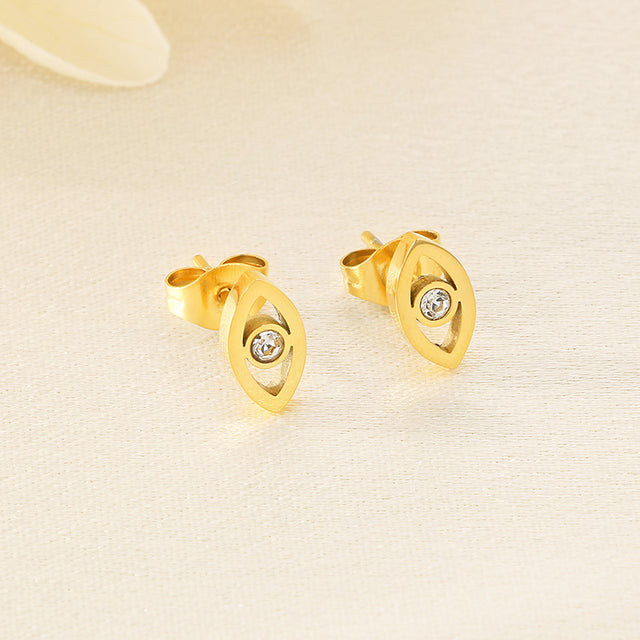
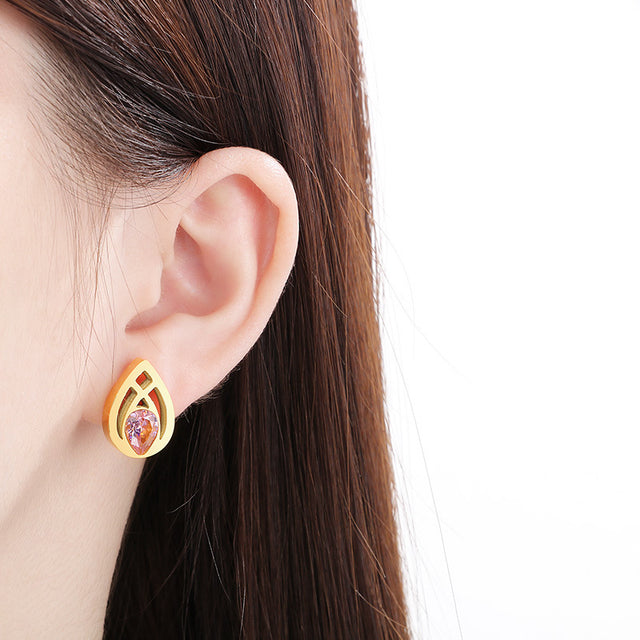
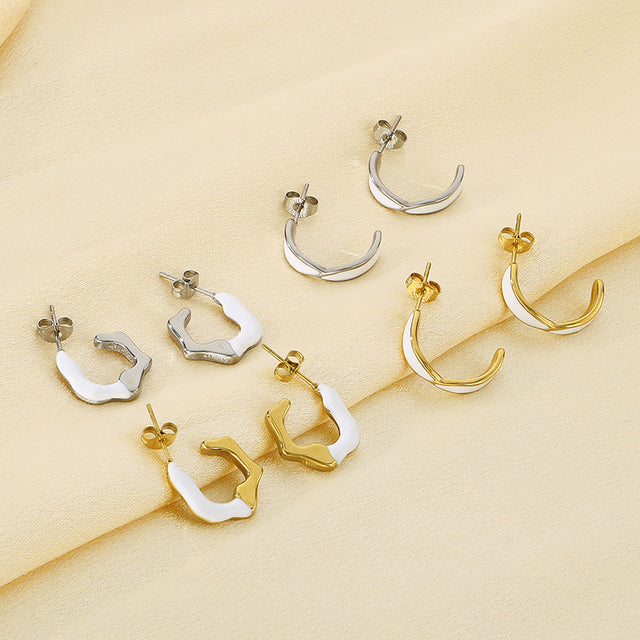

Four decisions stand between an earring design and a production run
Is the post safe for pierced ears?
Post material, the nickel release limit that applies, and, for the California channel, whether the grade requirement is met at all.
Will the color last?
Which finish, specified at what coating thickness, evidenced by which durability test, and how the findings are protected where wear concentrates.
Can the structure be built?
Hinges, articulated drops, ear cuff spring geometry, and where a design has to change to be assemblable and inspectable.
Can it be developed as a group?
Most earring programs are a set, not a single style. Shared components across a group change both the tooling cost and the minimum.
What can be changed, and what cannot
Both columns are filled in. A supplier who only writes the left one has not answered the question.
| Dimension | What you can change | What is fixed | Condition |
|---|---|---|---|
| Post length and gauge | Post length and diameter, stated in mm and gauge | Gauges below what the wire and the setting can support | Post material grade is a separate question; see the California boundary below |
| Hoop diameter | Inner and outer diameter, stated separately | Diameters below the minimum the hinge assembly allows | Always confirm which diameter a specification means, because inner and outer are routinely confused between buyer and factory |
| Closure type | Friction post and nut, hinged click, latch back, screw back, lever back | Internal geometry of a bought-in hinge component | Custom closures are viable where volume justifies tooling |
| Structure | Stud, hoop and huggie, drop and dangle, ear cuff | Structures that cannot be assembled or inspected repeatably | Confirmed at DFM against the process that will make it |
| Finish color | Gold-tone, rose gold-tone, black, gunmetal, natural steel | Colors outside the qualified PVD target range | Matched against a sealed physical standard. See PVD & Gold-Tone Finishes |
| Engraving and logo | Laser marking on the back plate, disc or ear nut | Marking below the minimum legible character height | Minimum legible height confirmed per design and per surface |
| Stones and components | Simulated and lab-grown stone setting, enamel, resin | Any origin or treatment claim we cannot document | Simulated and lab-grown stones carry that qualifier immediately before the stone name |
| Packaging | Polybag, card, branded box, hang tag | Artwork that misstates the country of origin | Where the artwork carries a US address or place name, the origin marking goes on the same panel at comparable type size |
| Minimum quantity | Nothing. The floor is the same on both custom routes | 100 pieces per design; a style split across two finishes counts as two | Sharing tooling across a group moves the tooling fee, not the floor |
Representative work and the process behind it
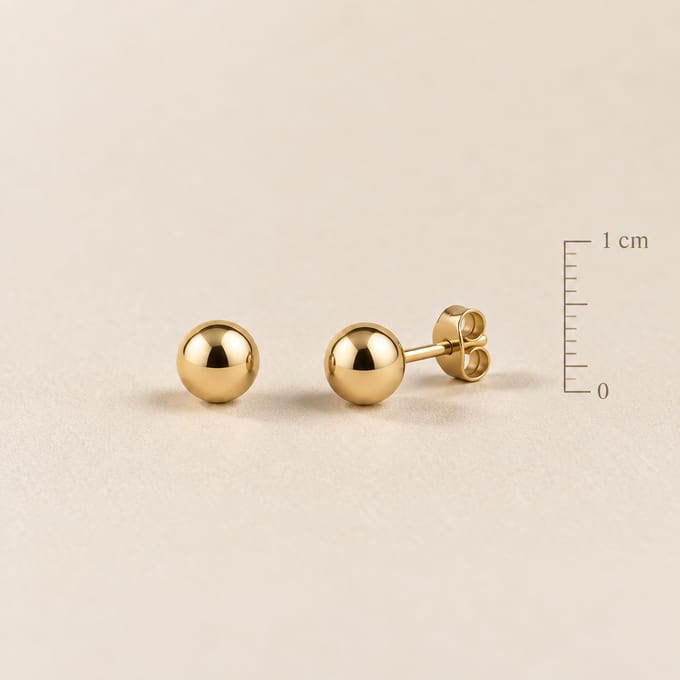
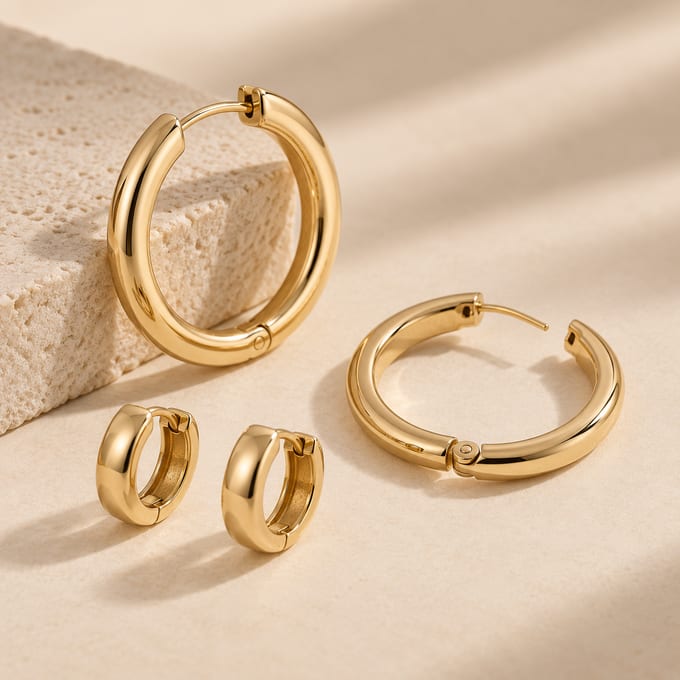
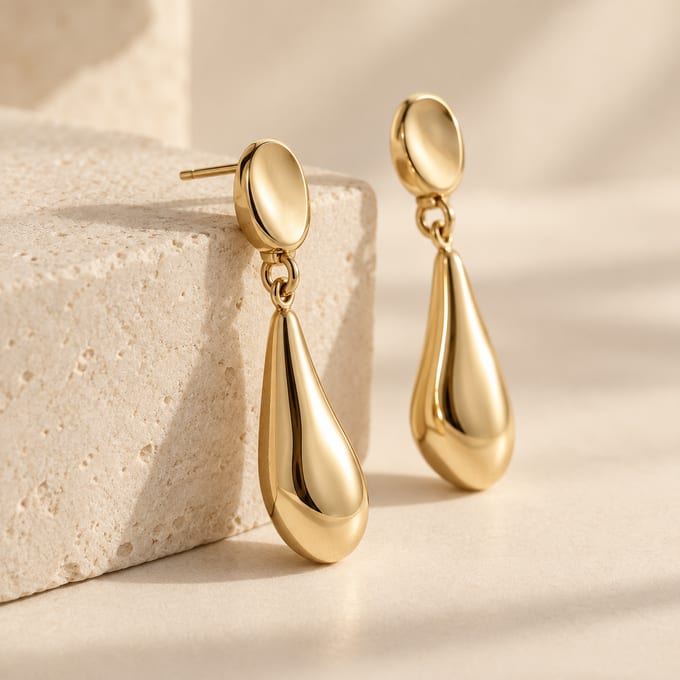
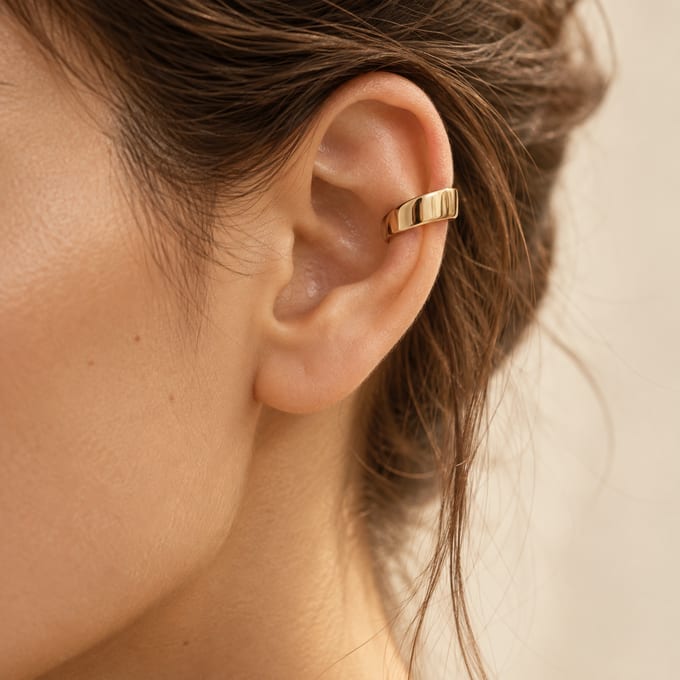
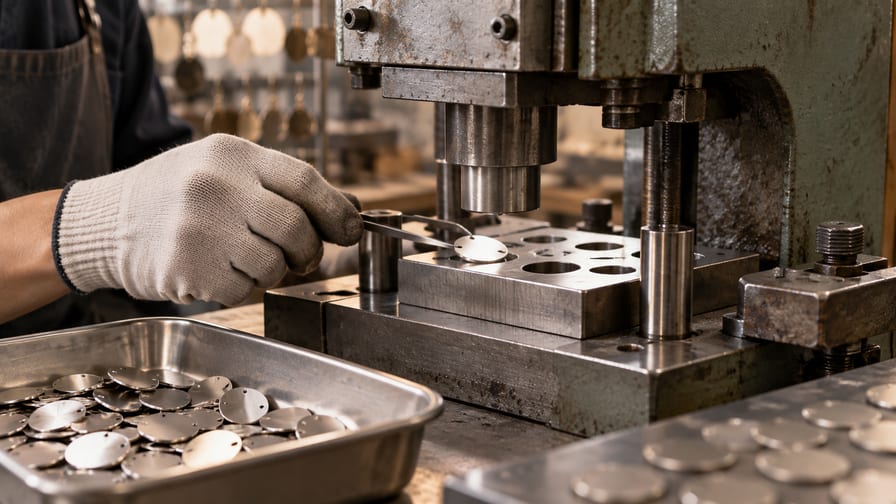
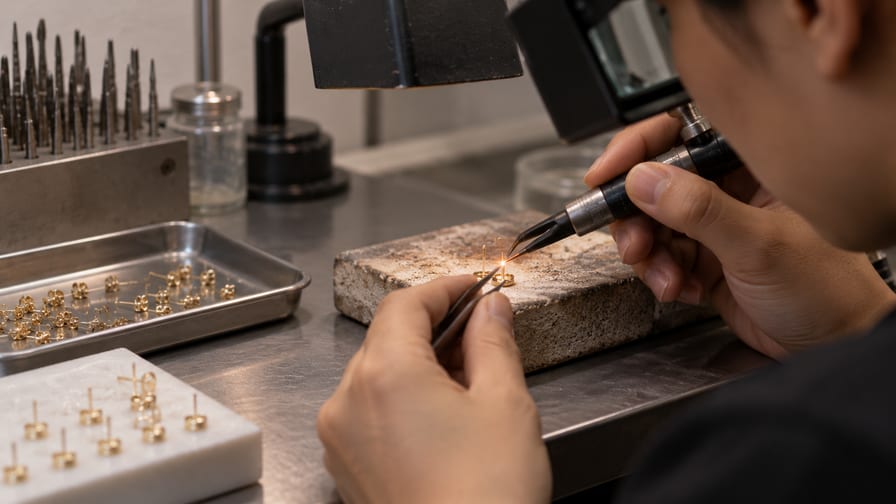
Four structures, and the four process steps each one passes through.
Stamping and forming
Blanks are stamped and formed. Dimensional checks happen here, before anything is joined, because a dimension is far cheaper to fix at this stage.
Record producedFirst-article dimensional sheet
Welding and assembly
Posts are welded to backs and findings are fitted. Joint strength is the failure mode that shows up in the customer's hands, so it is checked as its own step.
Record producedIn-process joint check
PVD coating
Coating runs with the thickness specified for the design. Findings are the thin spot in any coating run, so their coverage is verified rather than assumed from the body of the piece.
Record producedCoating batch record
Inspection
Outgoing AQL inspection covering dimension, finish, joint strength and closure function.
Record producedOutgoing inspection report
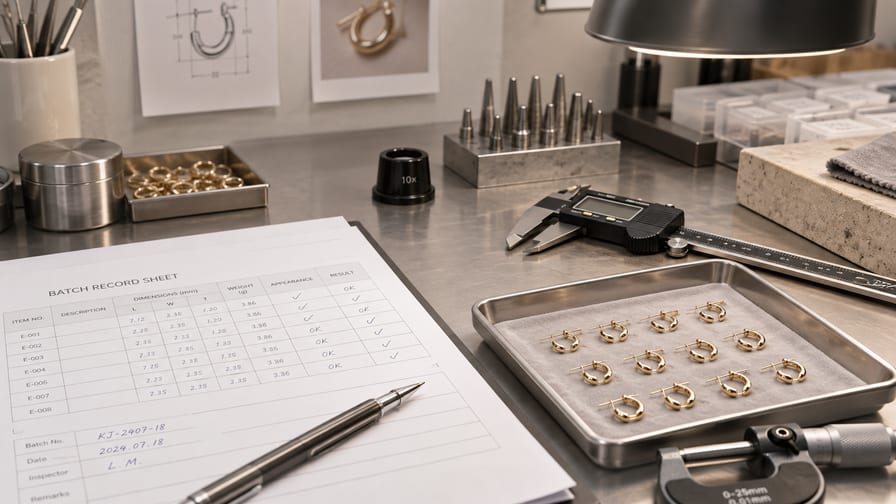
The parameters a quote is built on
The first four are the standard ranges this category is built in; the exact figure inside them is fixed per design at DFM. The right-hand column names the method, because a number without a method is not a specification.
| Parameter | Specified | Unit | Test method |
|---|---|---|---|
| Post diameterStated in both mm and gauge to avoid conversion errors | 0.7 – 1.0 mm (21 – 18 G) | mm / gauge | Micrometer, first article |
| Post length | 9 – 12 mm | mm | Micrometer, first article |
| Hoop inner diameterInner and outer are quoted separately, never as one figure; huggie through large hoop | 8 – 60 mm | mm | Pin gauge, first article |
| Piece weight | 0.5 – 8 g | g | 0.01 g balance, sampled |
| Dimensional toleranceUndersize is not accepted on any stated dimension. That is the standing rule across categories. Tighter bands are quoted per design where the design needs them | +0.2 / −0 mm on length and hoop diameter · ±0.02 mm on post diameter | mm | Against signed pre-production sample |
| Coating thicknessTotal PVD stack thickness, not a gold-content figure. No gold content is claimed for any gold-tone finish; see PVD & gold-tone finishes | 0.3 – 0.4 µm total, ±20% | µm | Thickness report, per batch |
| Nickel release, post assemblyThe REACH Annex XVII entry 27(a) limit for assemblies inserted into pierced parts. The measured result per batch, and the report it comes from, are below | Below 0.2 | µg/cm²/week | EN 12472:2020 → EN 1811:2023 |
| Hinge closure and retentionA retention force in newtons is not an industry-published figure for fashion hinges; where a buyer specifies one it is quoted and tested per design | Opens and closes cleanly; no self-opening under normal handling | pass / fail | Closure function check, sampled |
Nickel release
Not detected — below 0.05 µg/cm²/week
Tested to EN 12472:2020 & EN 1811:2023, the wear-and-corrosion pre-treatment first, then a week in artificial sweat and measurement of what released. REACH Annex XVII entry 27 sets below 0.2 µg/cm²/week for post assemblies inserted into pierced ears or other pierced body parts. Coated items fall under entry 27(c), which requires the limit to hold throughout at least two years of normal use. That is what the pre-treatment step simulates, and why a report without it tells you very little about a coated item.
Where earrings specifically go wrong
Three failure modes that are particular to this category rather than to jewelry in general.
The evidence chain, in order
The sequence matters more than any single report. Run out of order, the result does not mean what it appears to mean.
| Step | Standard | What it does | Why it must come in this order |
|---|---|---|---|
| 1 | EN 12472:2020 | Accelerated wear and corrosion pre-treatment | Simulates two years of normal use. Skipping it measures a coating in a condition the wearer will never see. |
| 2 | EN 1811:2023 | Artificial sweat immersion for one week, then measurement of released nickel | The reference method. Sub-assemblies are assessed separately under the 2023 revision. |
| 3 | REACH Annex XVII entry 27 | Comparison against the limit for the exposure category | Below 0.2 µg/cm²/week for pierced-part assemblies; below 0.5 for other prolonged skin contact. |
Requesting the full report
Full reports are provided on request against a specific material and finish combination. Reports are issued per combination rather than per SKU, so one report typically covers a group of models sharing a base and a color.
How nickel release testing worksHow the minimum and the timeline are worked out
The minimum and the durations are published; the fees around them are quoted by our sales team. None of it is decided per customer.
The minimum
100 pieces per design on both custom routes: an existing piece with your changes and an original developed from scratch carry the same floor.
What counts as one design is the thing worth checking before you plan a range: a style produced in two finish colors is two designs for this purpose, because the run splits. Sharing a post and a back across four styles does not lower the floor. It lowers the tooling, which is quoted separately.
What drives the sample fee
Which of the three sample routes applies, and whether tooling is needed before a sample can exist at all. Whether the fee is credited against a subsequent production order is stated on the sample quotation.
Ask our sales team for sample and tooling fees.
What drives the lead time
Number of sample rounds, tooling, and whether the finish needs a color match against a physical reference. The node sequence is fixed; which nodes a design runs is not.
Almost every node on a standard piece is two days: blank turning, cutting, welding, drilling, plating and assembly, with engraving and stone setting at three and packing at one. A cast design carries two long nodes at the front that a fabricated one does not: seven days to cut the mold and seven to cast the blanks, then three for electrolysis.
Those are durations per node, not a total. Your design runs the nodes on its own route sheet, which is why the overall band on the lead-time page is shorter than adding all of these together would suggest.
Developing a group of styles
Group development
Most earring programs arrive as a set rather than a single style. Sharing a post, a back plate or a finish across the group changes the tooling cost, so it is worth deciding the group before asking for the first quote.
Frequently asked questions
Are your earrings hypoallergenic?
We do not use that word, and it is worth saying why. "Hypoallergenic" has no agreed legal definition in either the US or the EU, and it is generally read as "nobody will react", which nobody can promise.
What can be stated is the measurable fact underneath it: 316L contains nickel, and what matters is how much of it releases. That is tested to EN 1811:2023 against the REACH Annex XVII entry 27 limits: below 0.2 µg/cm²/week for post assemblies and below 0.5 for other prolonged skin contact.
Why does an ear post have a stricter limit than the rest of the earring?
Because REACH Annex XVII entry 27 splits by exposure. Paragraph (a) covers assemblies inserted into pierced ears and other pierced body parts and sets the limit at below 0.2 µg/cm²/week. Paragraph (b) covers other items in prolonged skin contact at below 0.5. An earring can therefore have two limits applying to different parts of the same piece, which is why sub-assemblies are assessed separately.
Can you supply implant-grade ear posts for the California market?
California treats this as a materials-admission question, not a limit question. Health & Safety Code §25214.2(b) requires non-child body piercing jewelry to be implant grade, to ASTM F138 or 316LVM. Plain 316L does not satisfy that requirement.
We state the requirement rather than claim to meet it. Piercing and non-piercing lines are managed separately, and the material grade for a program is confirmed against the destination channel before quotation.
What is the minimum order per earring design?
100 pieces per design, whether the style is built from existing components or needs a new die. Tooling and lead time change between those two cases; the minimum does not. Note that a style produced in two finish colors counts as two designs, because the run splits. How the routes compare is on MOQ & Lead Time.
Which part of an earring fails first?
The findings are the clasp, the hinge and the ear nut. They are where the coating is thinnest and where mechanical wear concentrates, so they are the parts that both wear through and, once worn, expose the substrate. They are inspected as separate components rather than being judged from the body of the piece.
Send the design
An NDA can be in place before you share anything. If you would rather see the work before sending a design, start with a sample instead.
Last updated