
Capability
Custom Necklaces and Pendants, Made to Spec
Chains, pendants and layered sets made to your specification in 316L stainless steel. Chain type, length steps, clasp strength and bail opening are each specified separately, because in this category they are the four things that decide whether the piece works when it is worn.
The range
Necklaces & pendants Kalen has already made
542 designs from Kalen’s own published catalog, 48 to a page. They are listed so you can see the house’s vocabulary before you brief against it. Each is described in the words of the listing it came from, with two deliberate substitutions: where a listing named no steel grade none is stated here, and where it said a karat gold plating it is written gold-tone, because this site makes no karat claim about any piece. Custom work is specified separately, to 316L and to the finish you ask for.
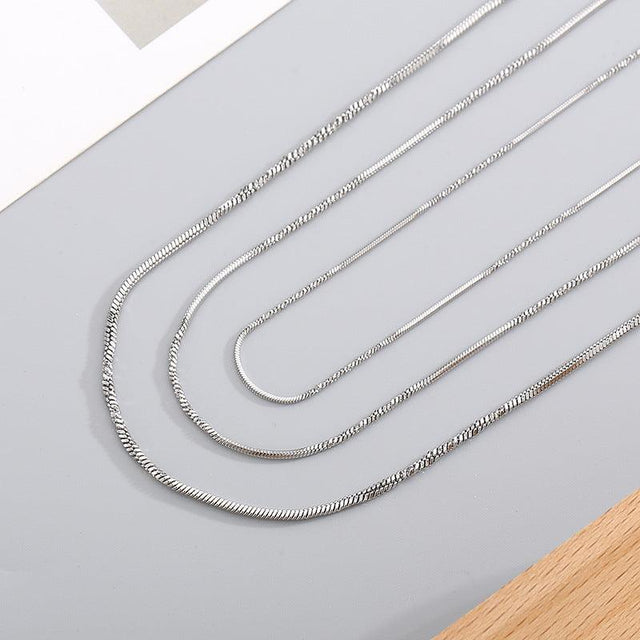
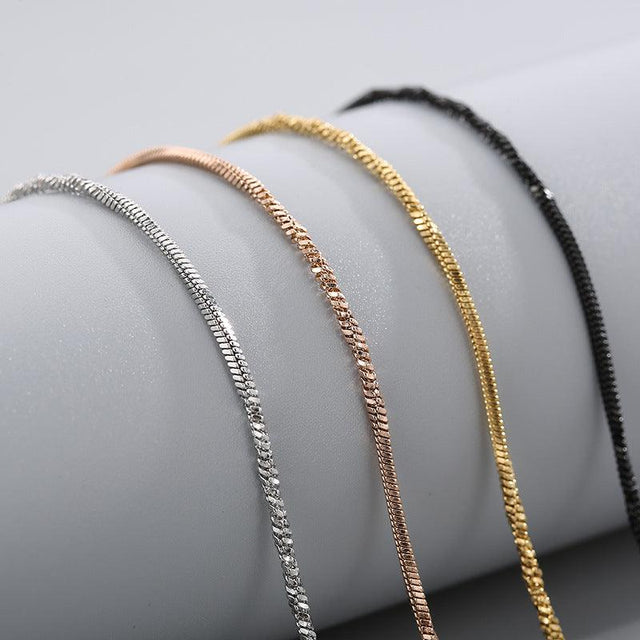
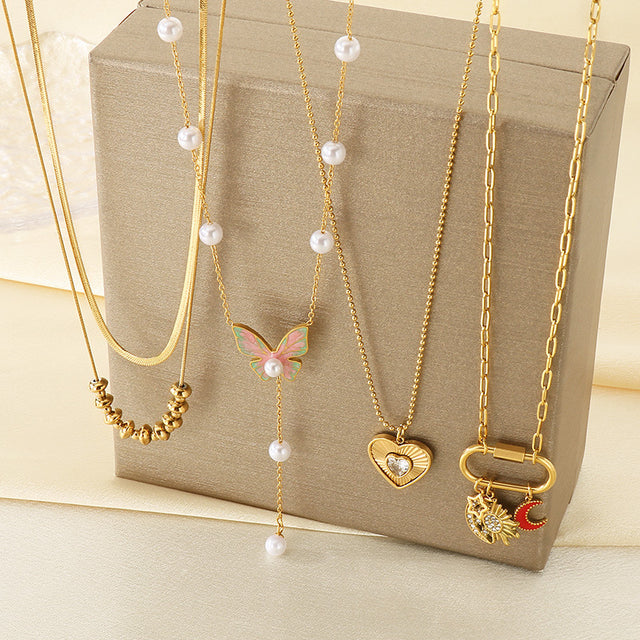
1/1.2/1.5mm Twist and Square Snake Necklace
Steel · Gold-tone · Black · Rose gold-tone
Stainless steel · Width(mm): 1–1.5 · 36 variants
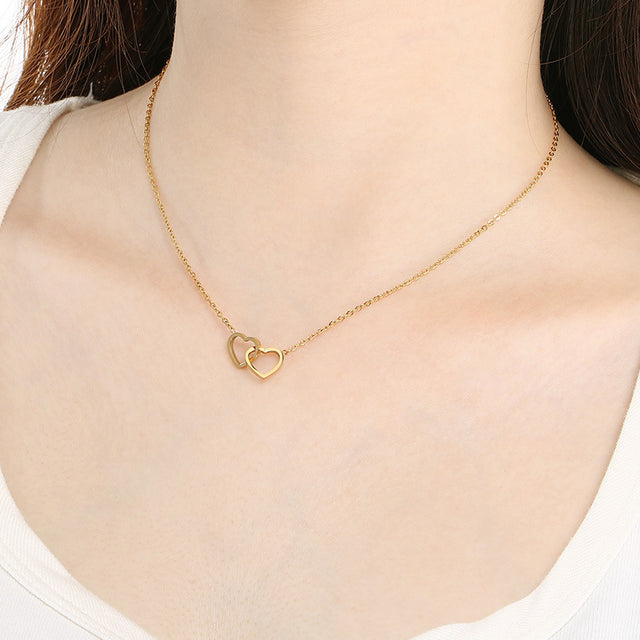
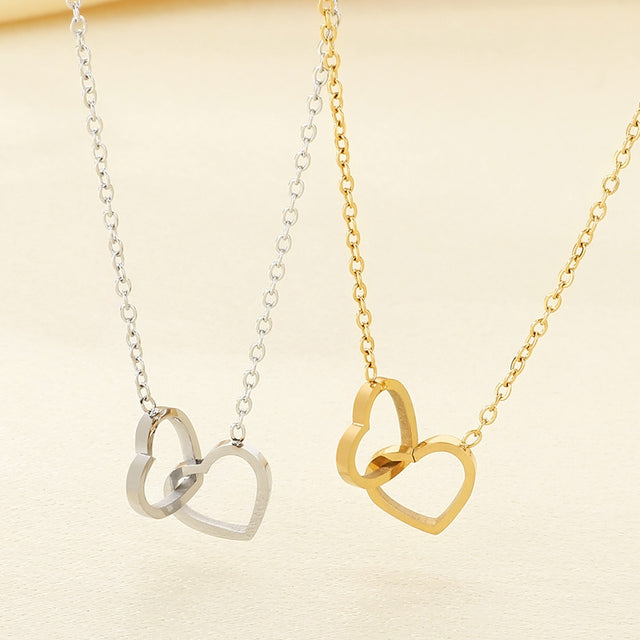
Gold-Tone Double Heart Necklace
Gold-tone · Steel
Stainless steel · 2 variants
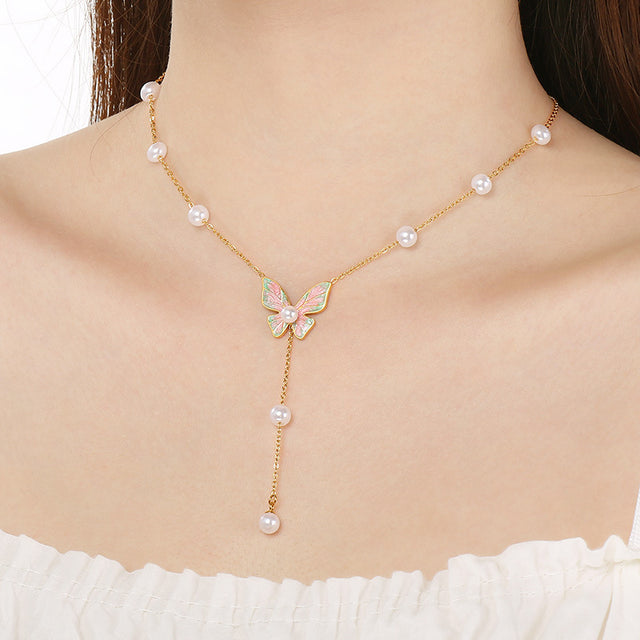
Gold-Tone Layered Butterfly & Heart Necklace
Finish specified per order
Stainless steel · 4 variants
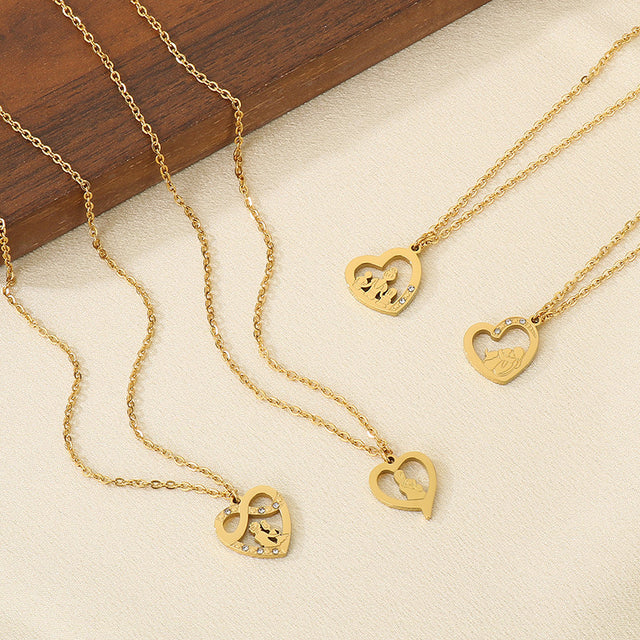
Gold-Tone Mom Heart Pendant Necklace
Finish specified per order
Stainless steel · 24 variants
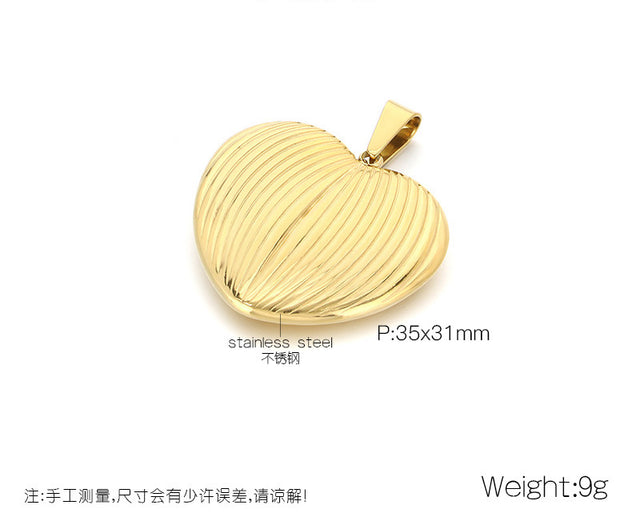
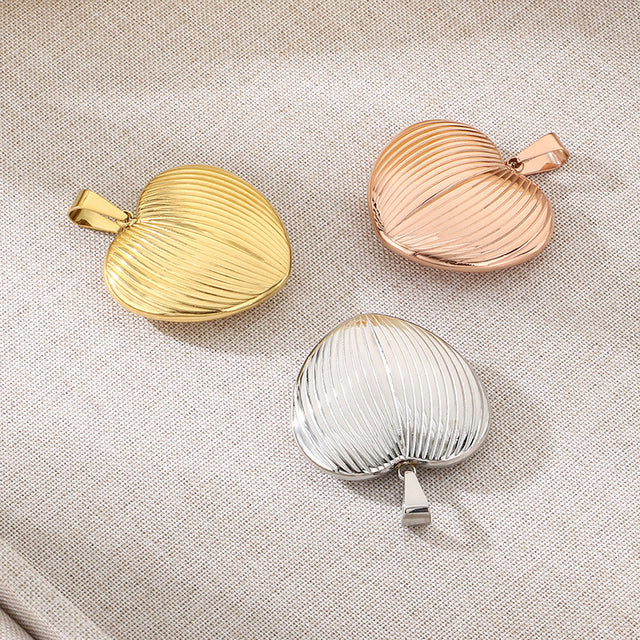
Gold-Tone Textured Heart Pendant
Gold-tone · Rose gold-tone · Steel
Stainless steel · 3 variants
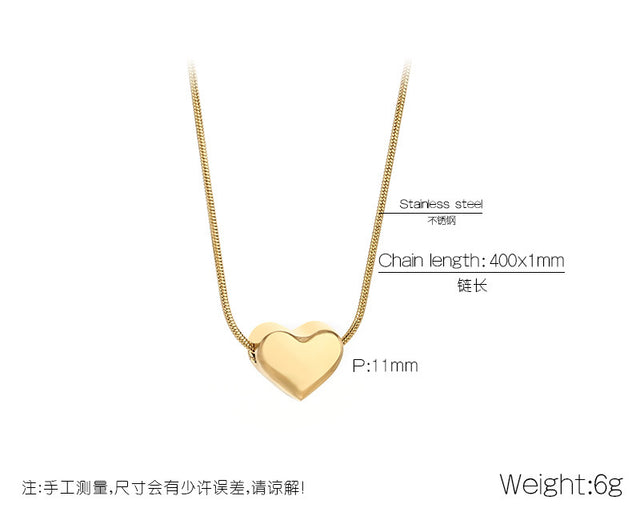
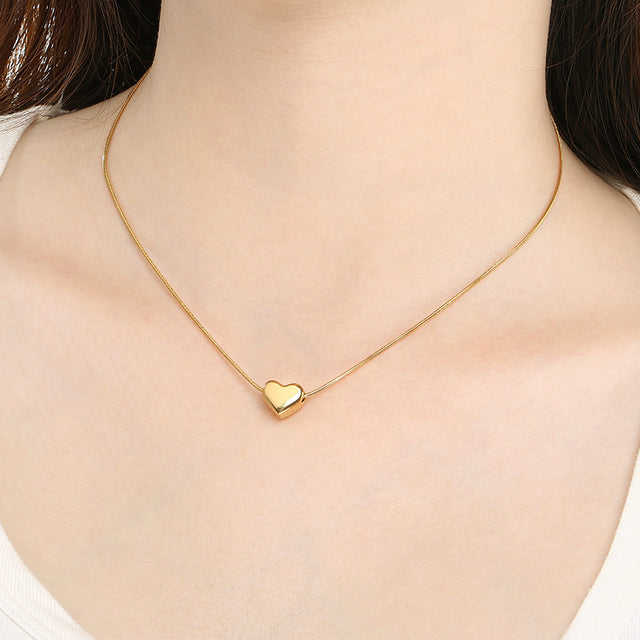
3D Heart Snake Chain Pendant Necklace
Gold-tone · Steel · Rose gold-tone
Stainless steel · 3 variants
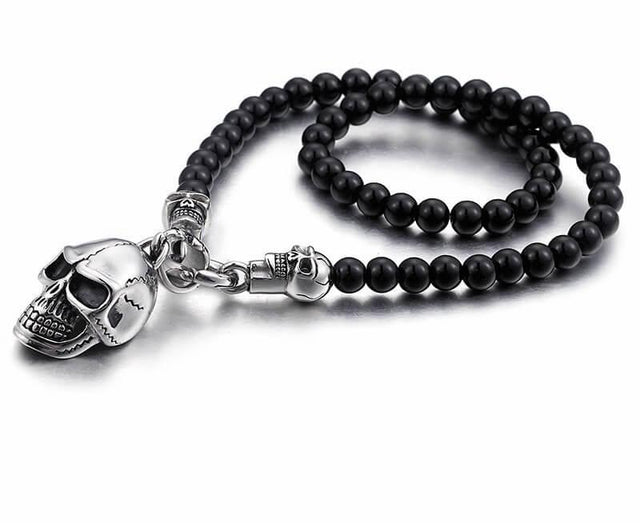
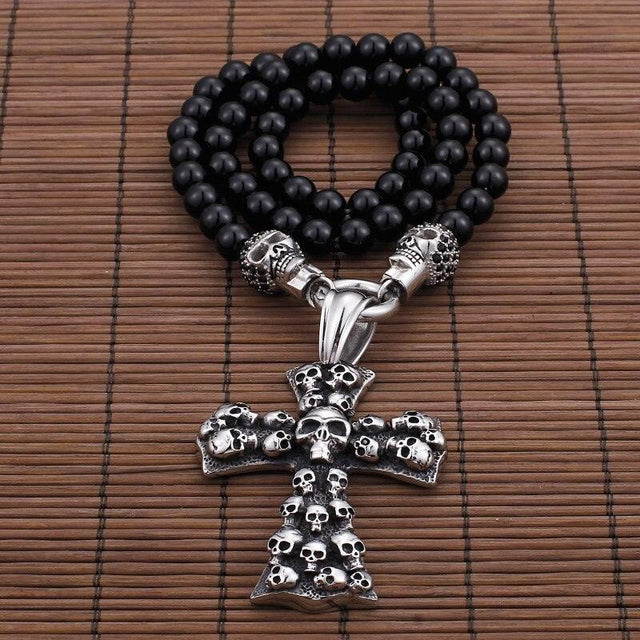
47/50/60/75cm Beads Chain Skull Cross Pendant Necklaces
Finish specified per order
Stainless steel · Length: 47cm–75cm · 8 variants
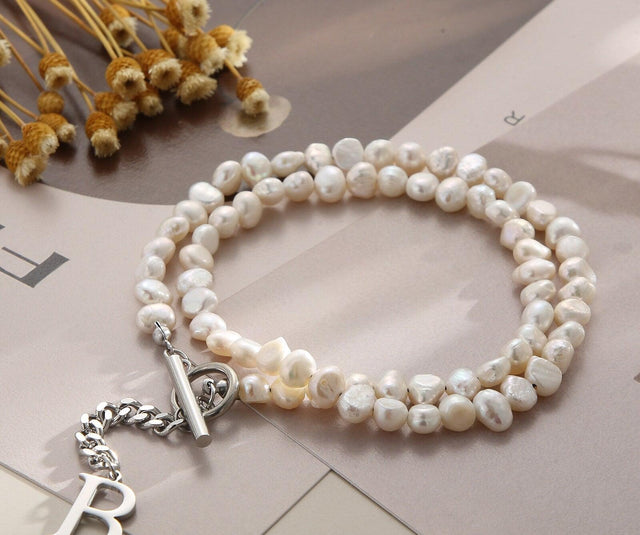
6mm Shell Pearl Beads Chain Alphabet Pendant Necklace with OT Clasp
Finish specified per order
Stainless steel · 6 variants
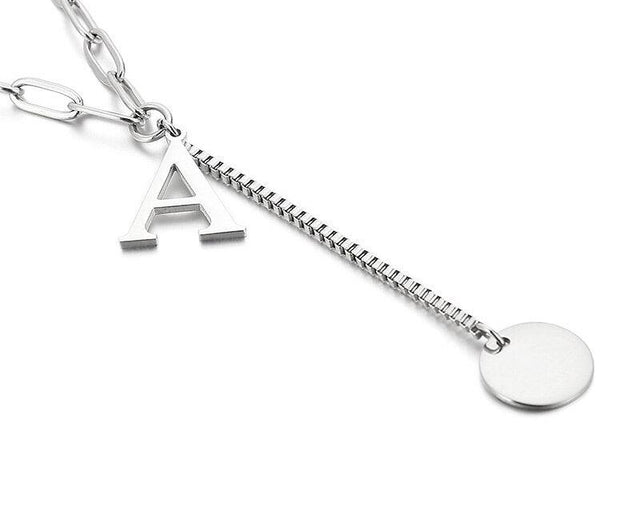
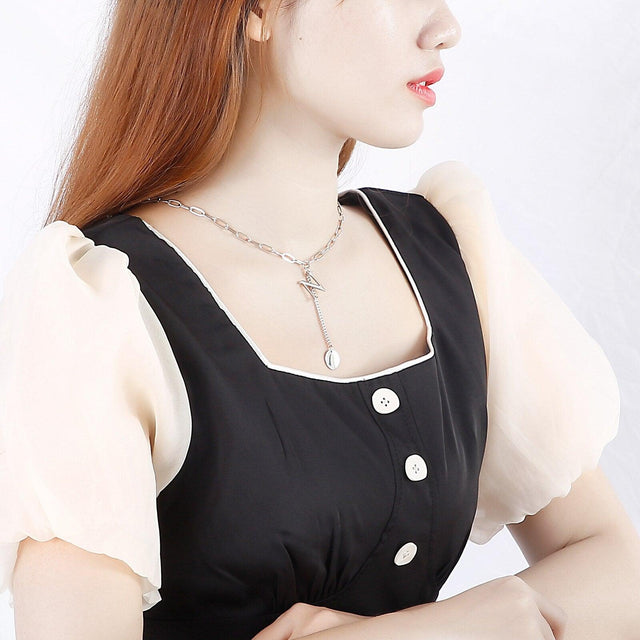
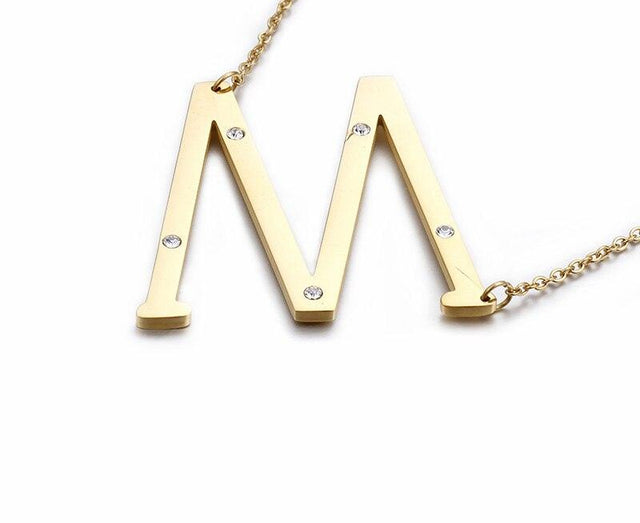
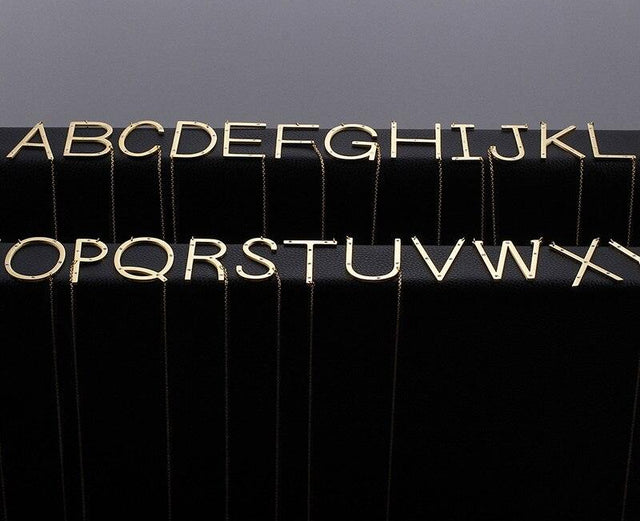
A-Z Alphabet Letter Pendant Necklaces
Finish specified per order
Stainless steel · Length: 46cm · 26 variants
Alphabet Letter Initial Pendant Necklace
Gold-tone
Stainless steel · 26 variants
Animal Eyes Mysterious Pendant Necklaces Retro
Finish specified per order
Stainless steel · Length: 45cm–60cm · 8 variants
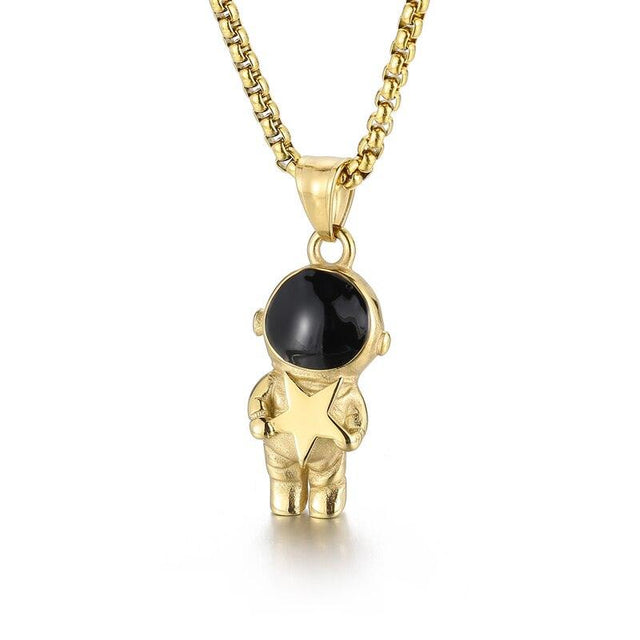
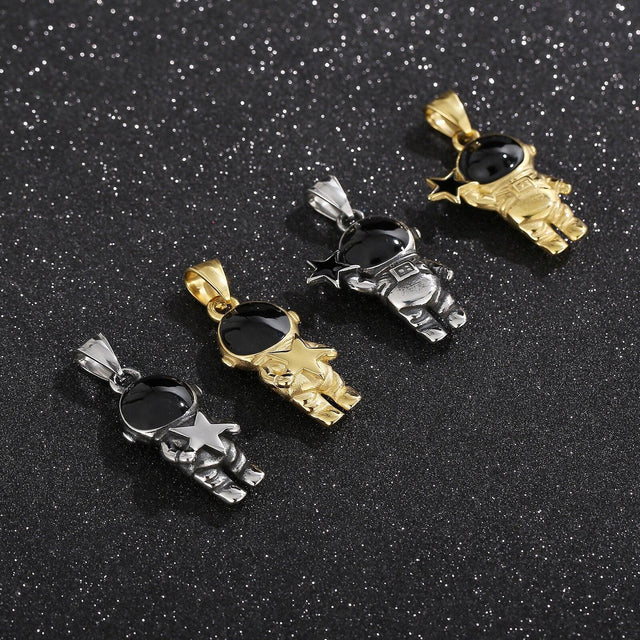
Astronaut Pendant Necklace
Gold-tone · Steel
Stainless steel · Length: 45cm–60cm · 24 variants
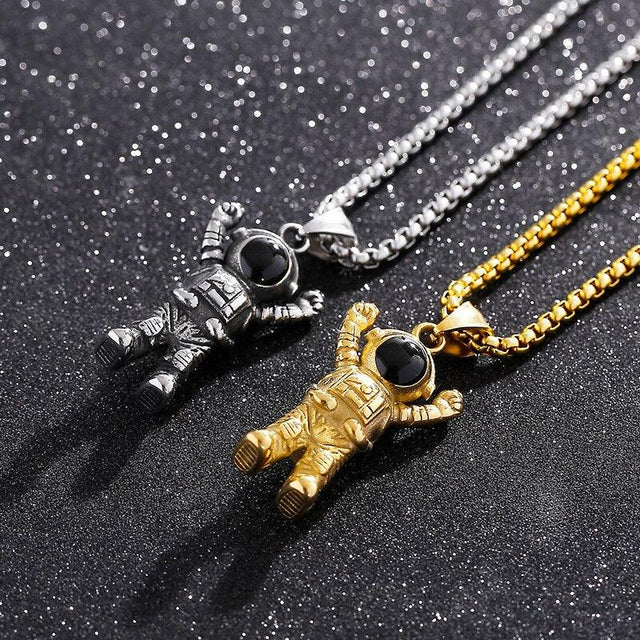
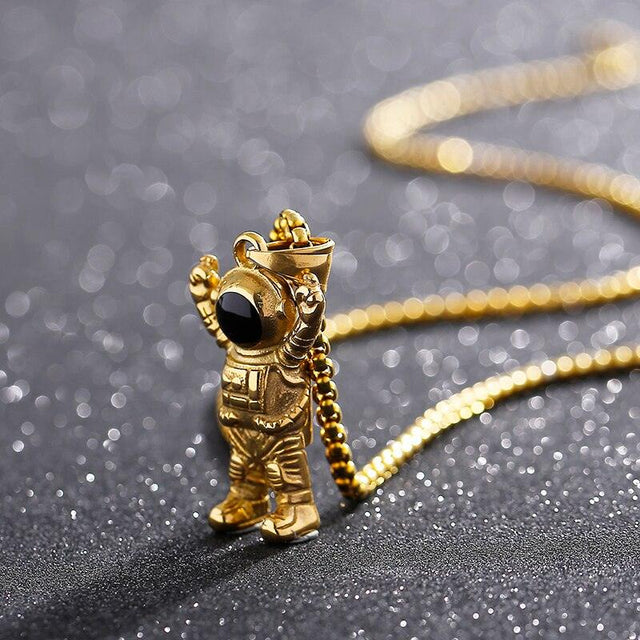
Astronaut Pendant Necklace
Finish specified per order
Stainless steel · Length: 45cm–60cm · 8 variants
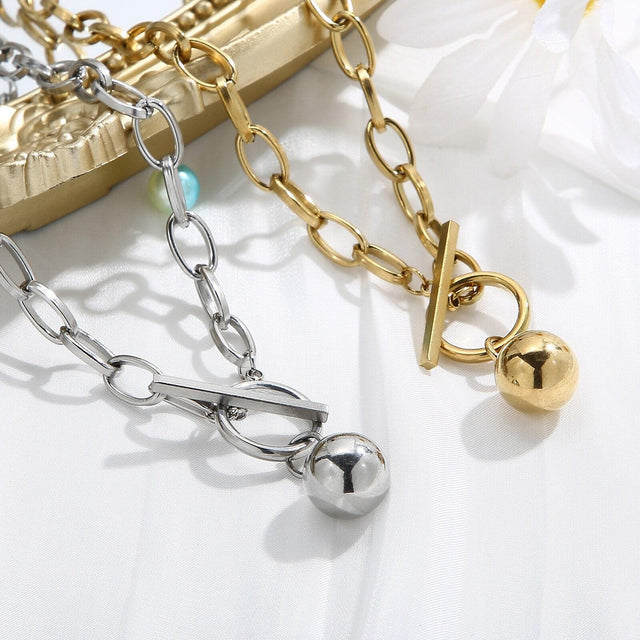
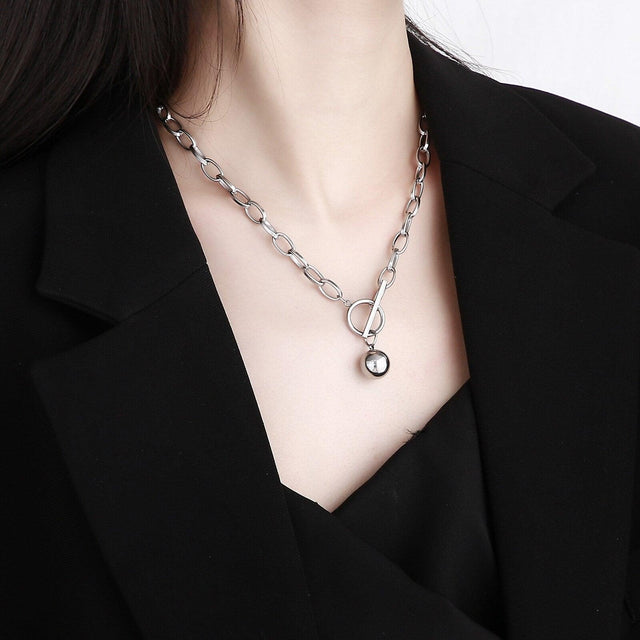
Ball Pendant Necklace
Finish specified per order
Stainless steel · 2 variants
Ball Pendant Necklace
Finish specified per order
Stainless steel
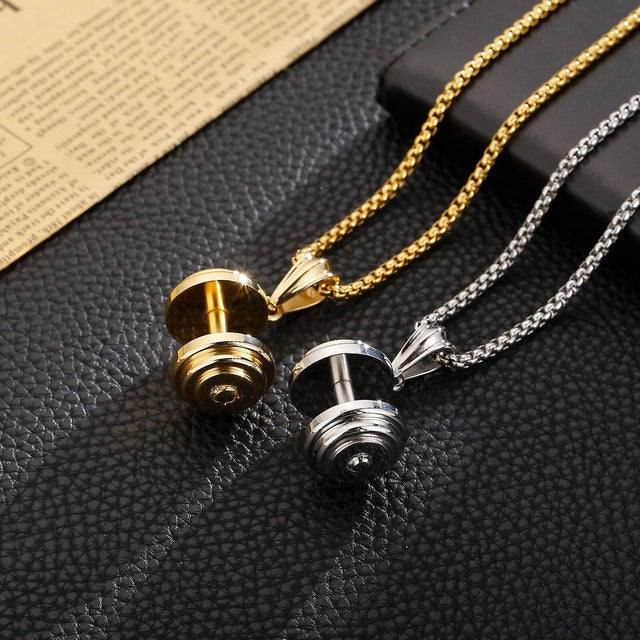
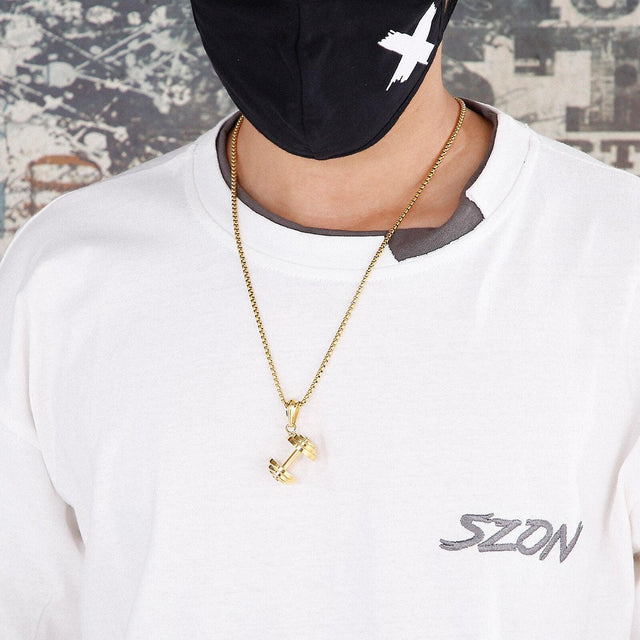
Barbell Pendant Necklace
Finish specified per order
Stainless steel · Length: 45cm–60cm · 8 variants
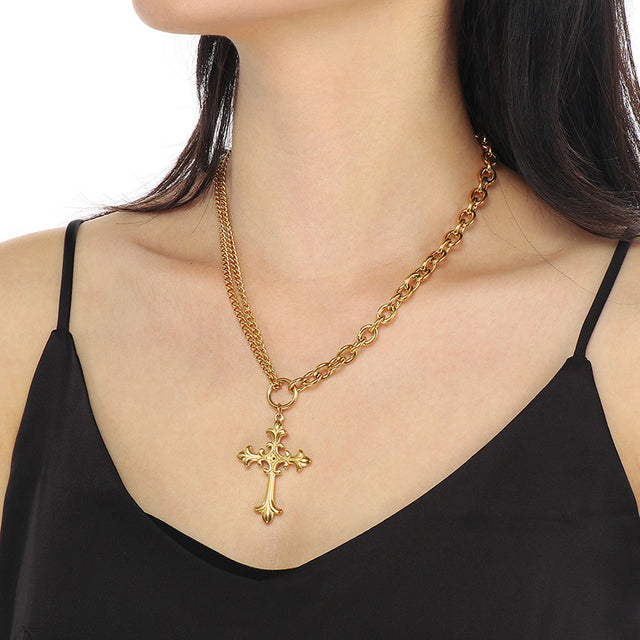
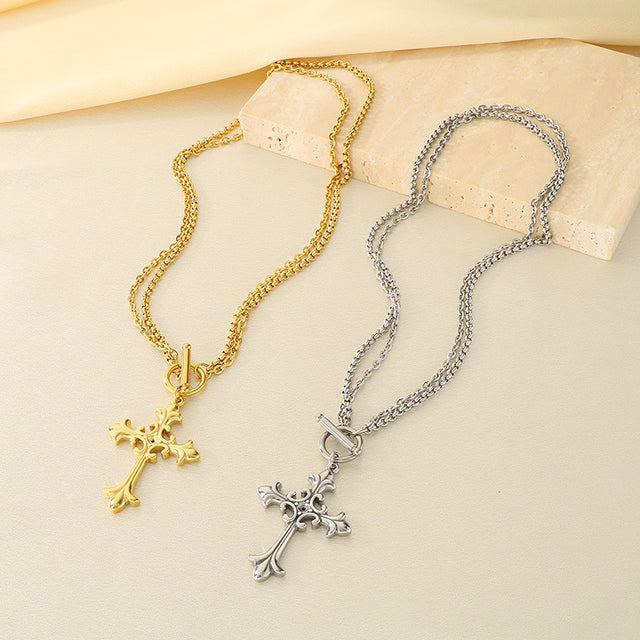
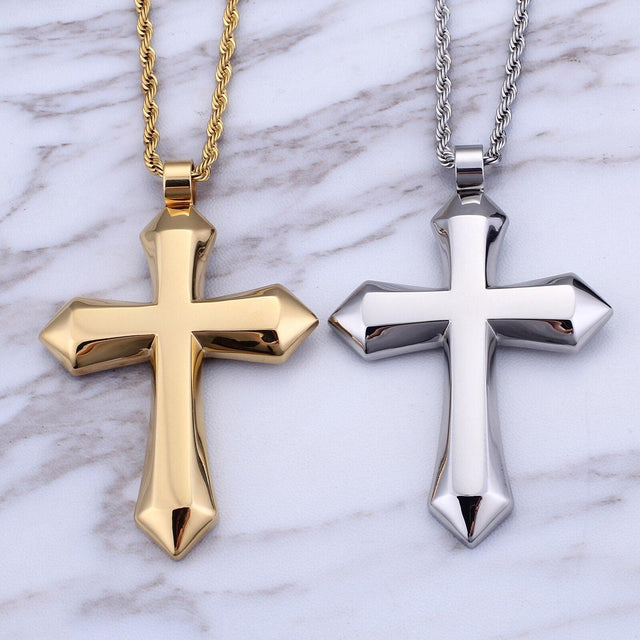
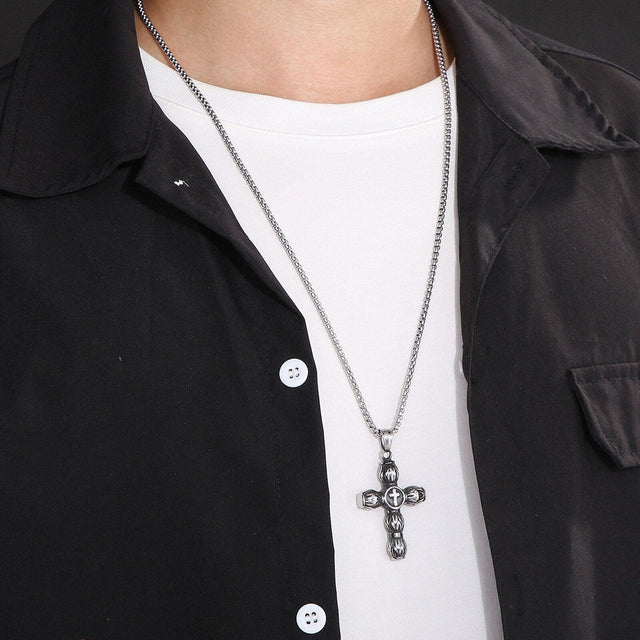
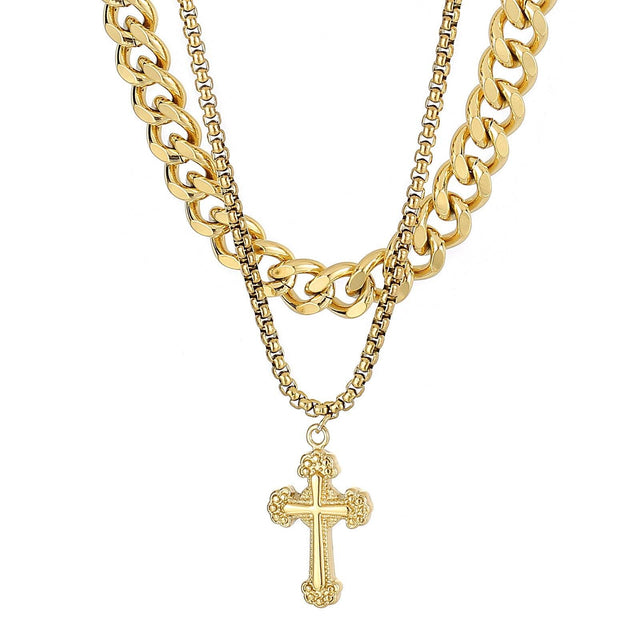
Baroque Cross Pendant Stainless Steel Chunky Chain Necklace
Finish specified per order
Stainless steel · 4 variants
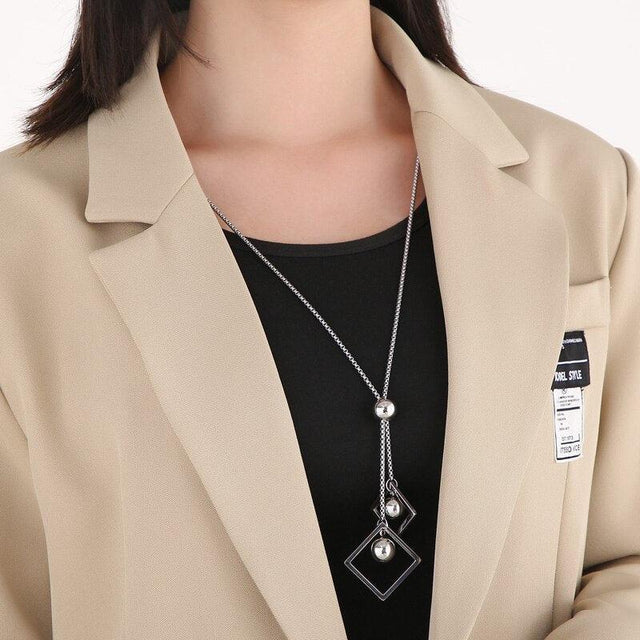
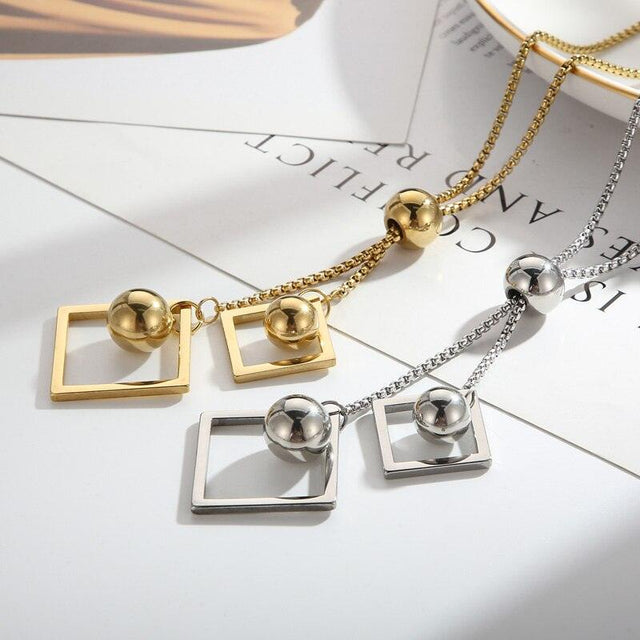
Beads Geometric Shapes Pendant Necklace
Finish specified per order
Stainless steel · Length: 84cm · 2 variants
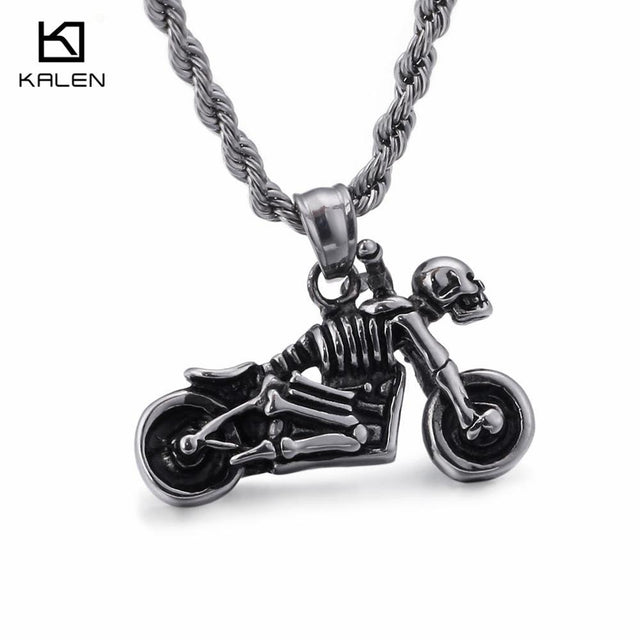
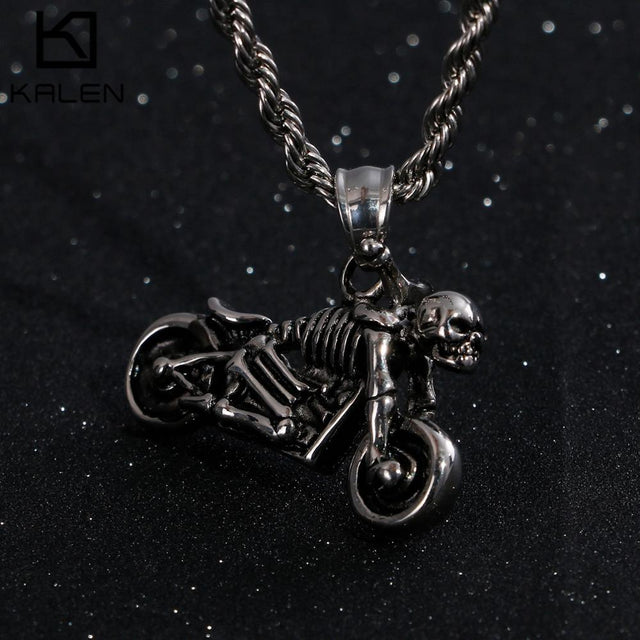
Biker Motorcycle Skull Pendant Necklace
Finish specified per order
Stainless steel · Length: 50CM–60CM · 3 variants
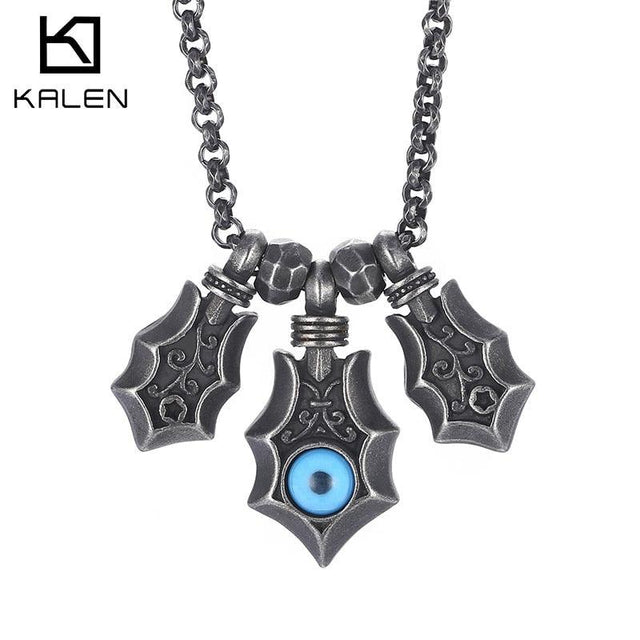
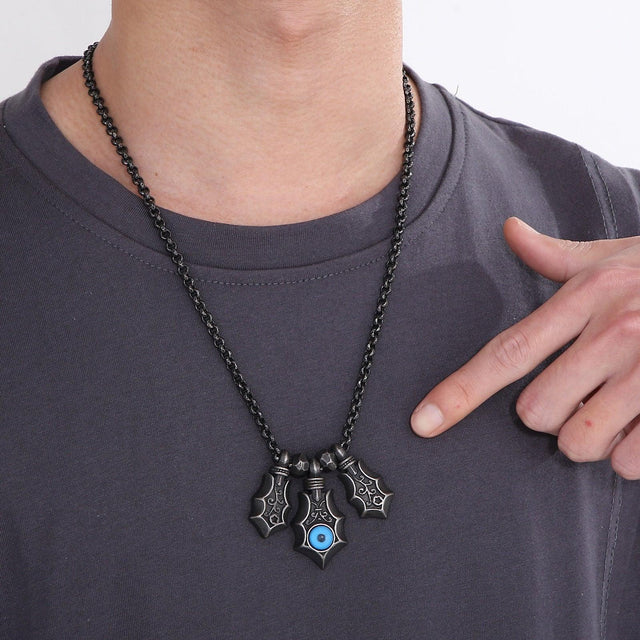
Blue Devil Eye Pendant Necklace
Finish specified per order
Stainless steel · Length: 60cm
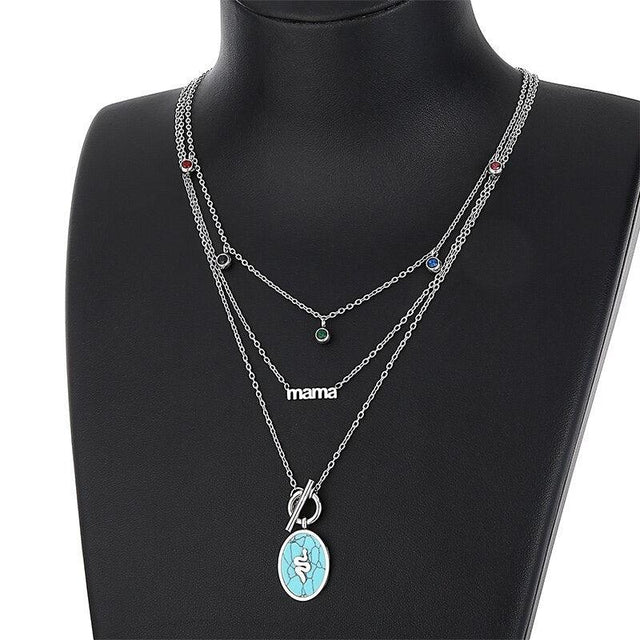
Bohemia Multi-Layer Chain Mama Natural Stone Pendant Necklace
Steel · Gold-tone
Stainless steel · 2 variants
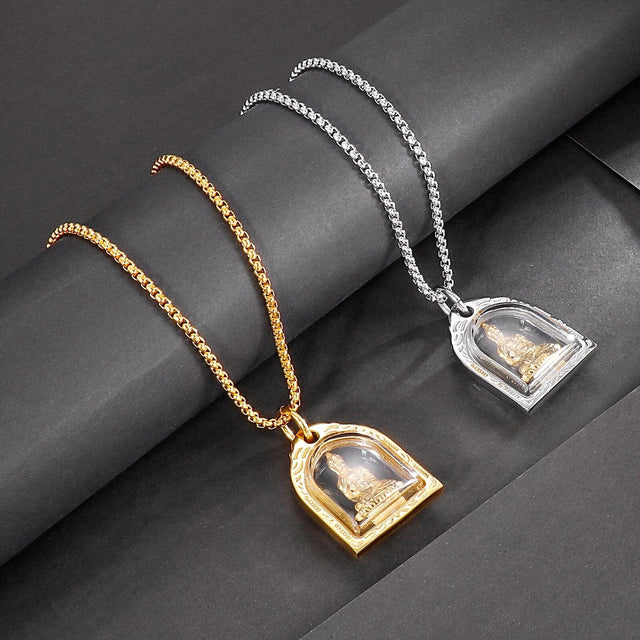
Buddhism Pendant Necklace
Finish specified per order
Stainless steel · Length: 45cm–60cm · 12 variants
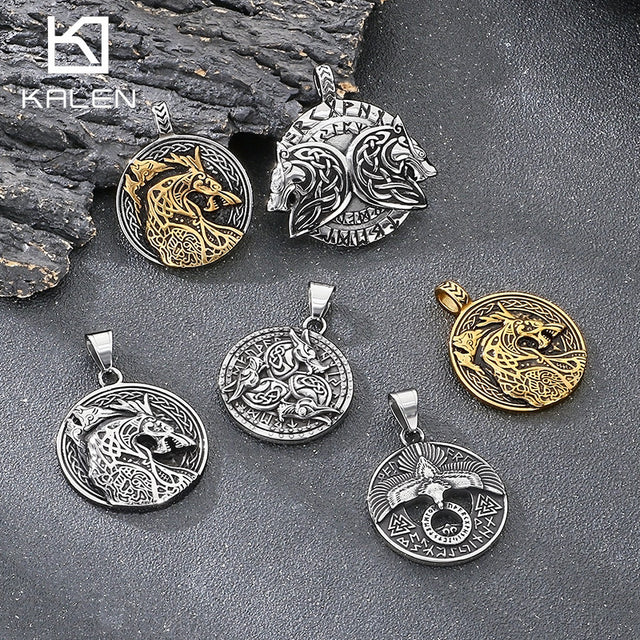
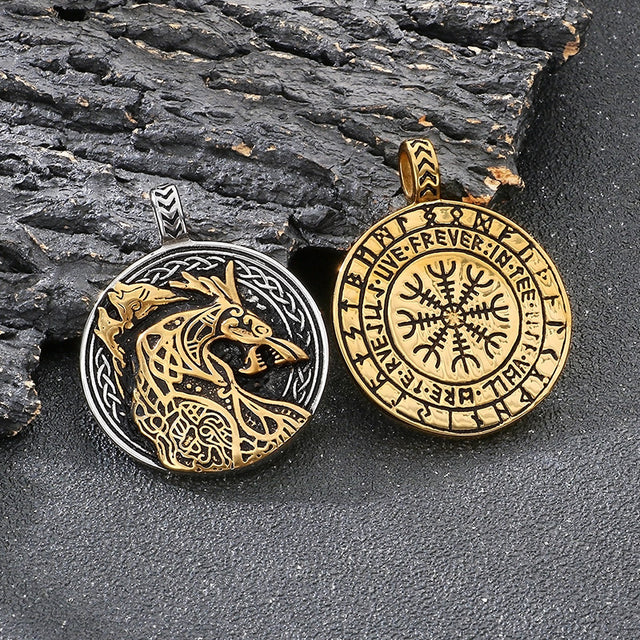
Celtic Knot Viking Pendant | Stainless Steel
Finish specified per order
Stainless steel · 8 variants
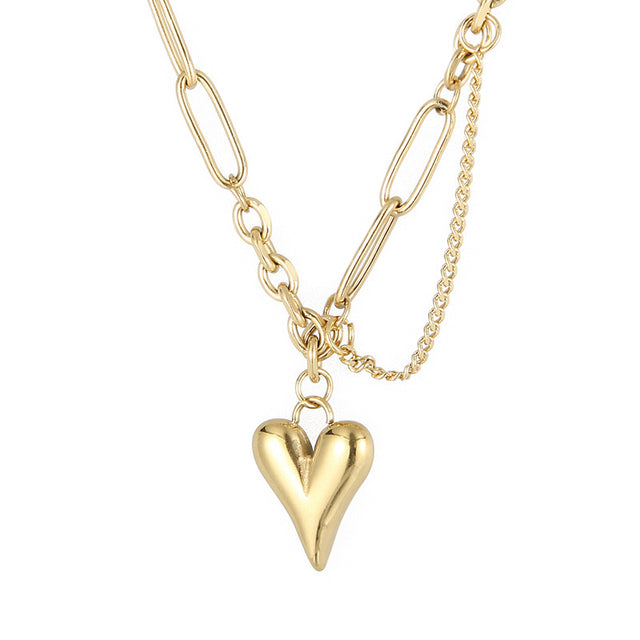
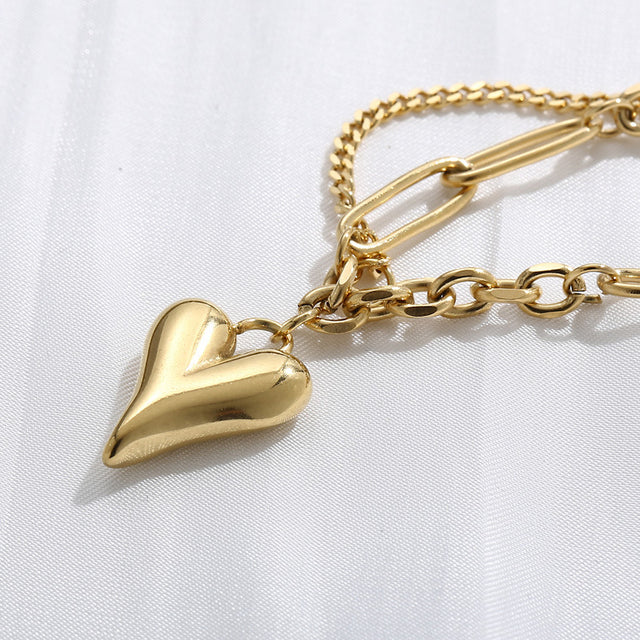
Chunky Chain Necklace with 3D Heart Pendant
Gold-tone · Steel
Stainless steel · 2 variants
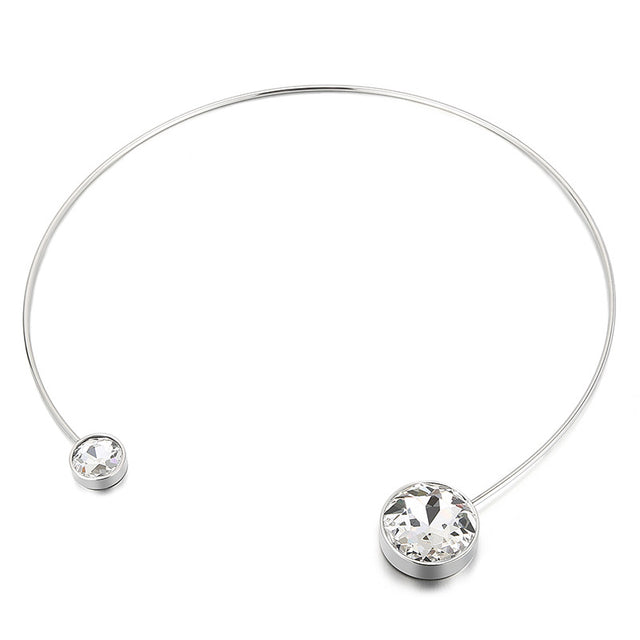
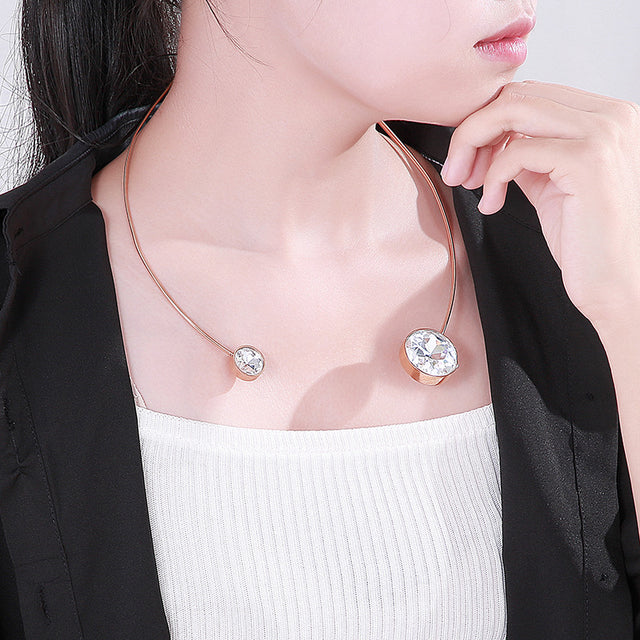
Chunky Zircon Short Choker Necklace
Steel · Rose gold-tone · Gold-tone
Stainless steel · 3 variants
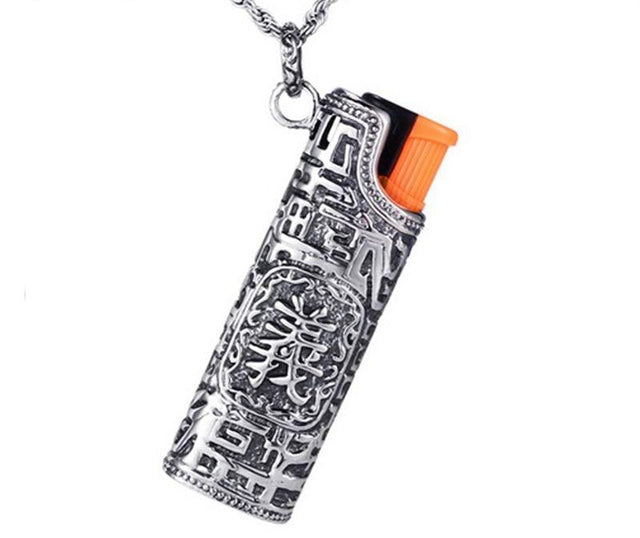
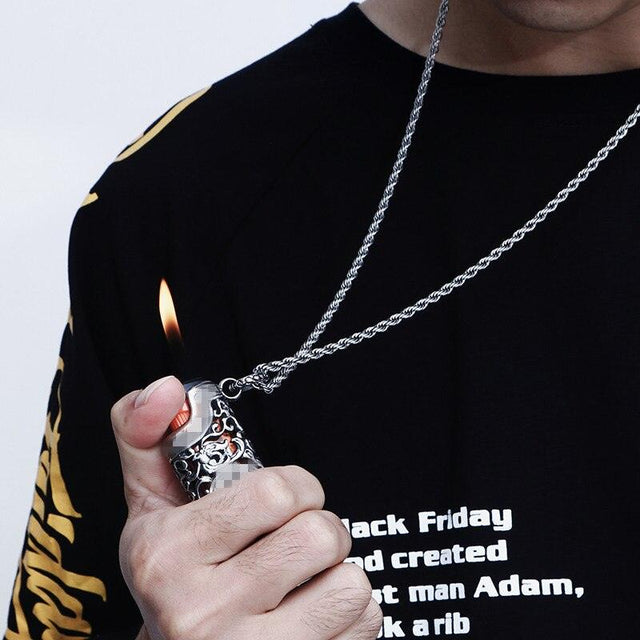
Cigarette Lighter Pendant Necklace with Chinese Letter
Finish specified per order
Stainless steel · Length: 45cm–60cm · 4 variants
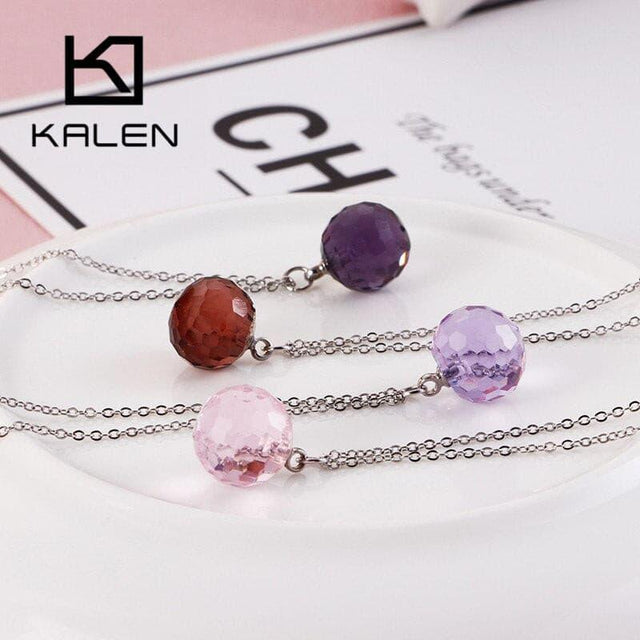
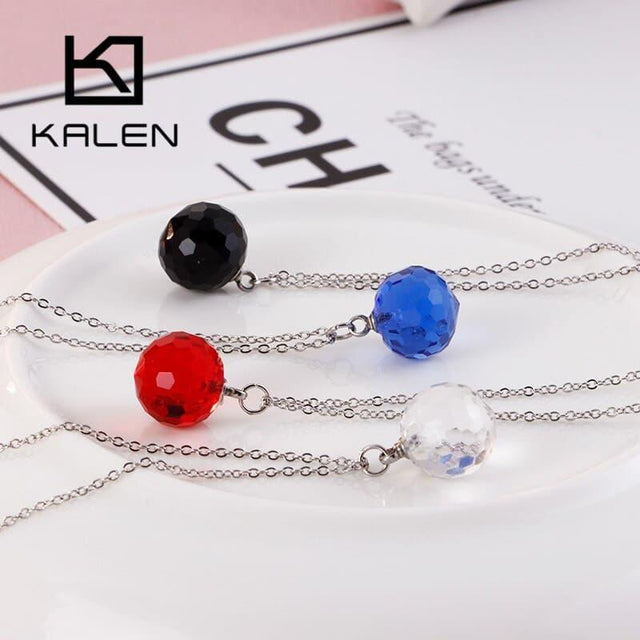
Colorful Glass Crystal Pendant Necklaces
Finish specified per order
Stainless steel · 24 variants
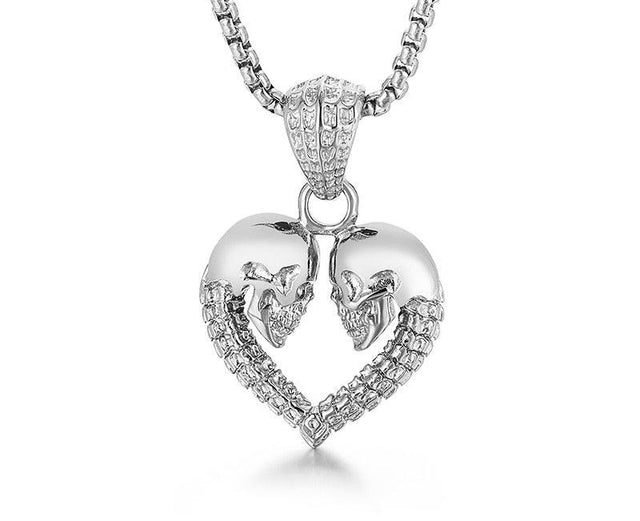
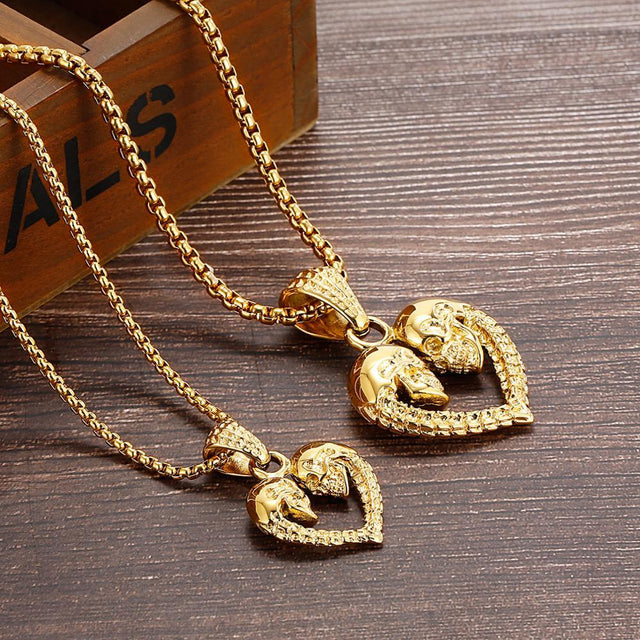
Couple Skull Heart Pendant Necklace
Steel
Stainless steel · Length: 45cm–60cm · 24 variants
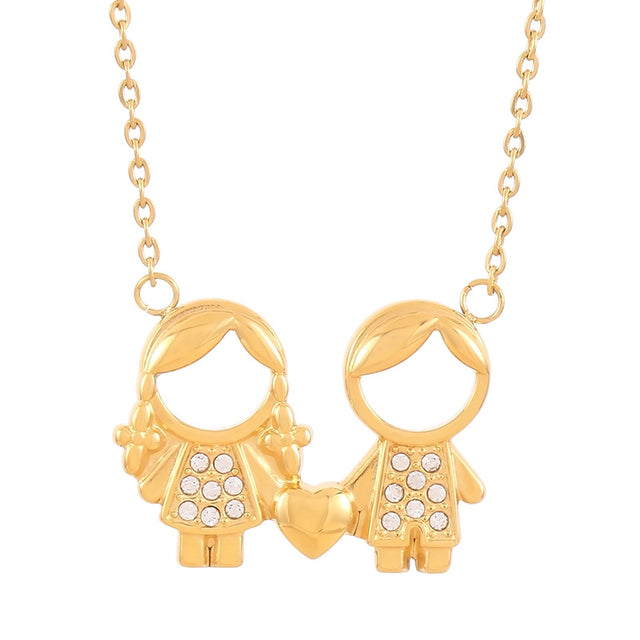
Cartoon Rhinestone Boy and Girl Pendant Stainless Steel Necklaces
Finish specified per order
Stainless steel · 10 variants
Cross Dog Tag Pendant Necklace
Finish specified per order
Stainless steel · Length: 60cm · 10 variants
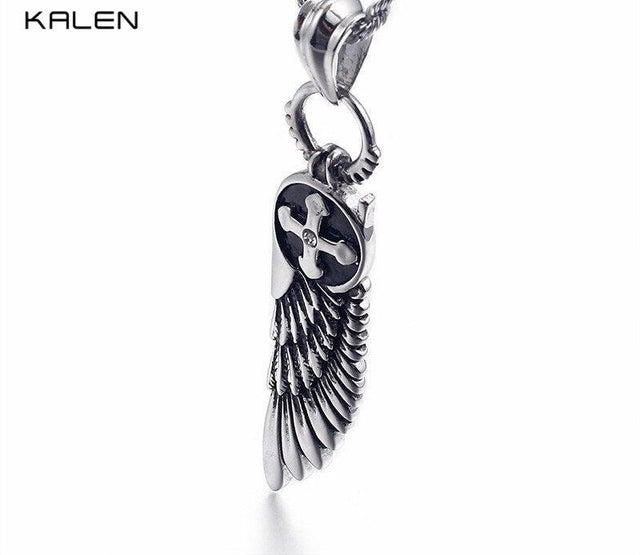
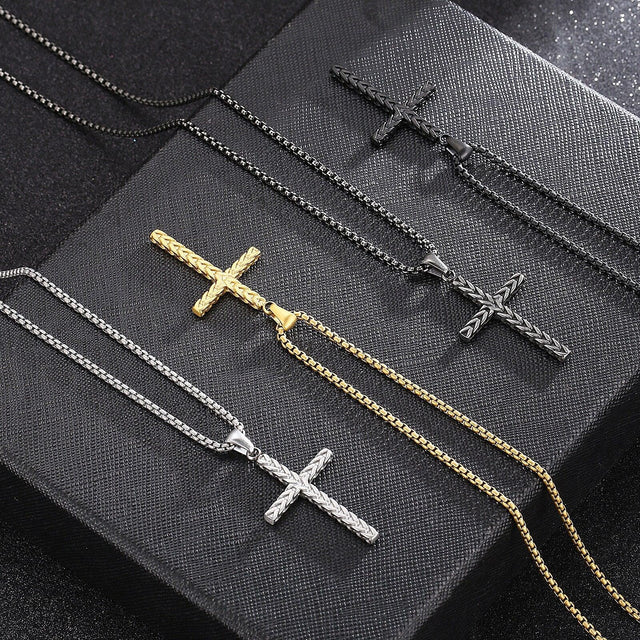
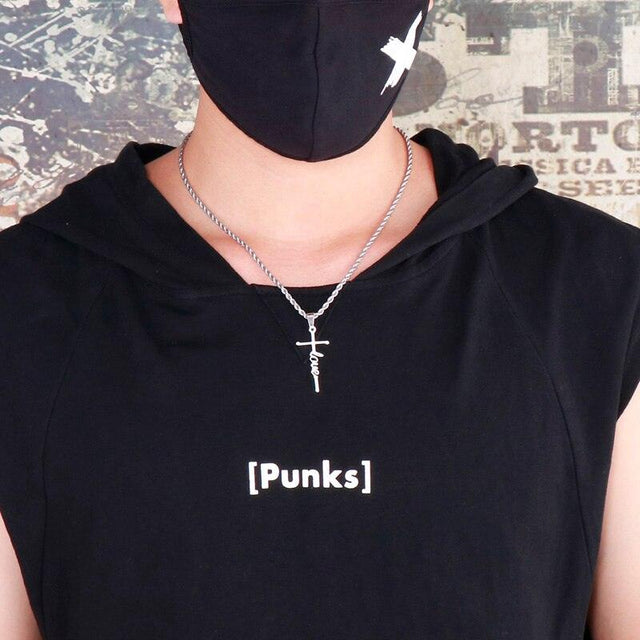
Cross Feather Pendant Necklace
Finish specified per order
Stainless steel · Length: 50cm–60cm · 3 variants
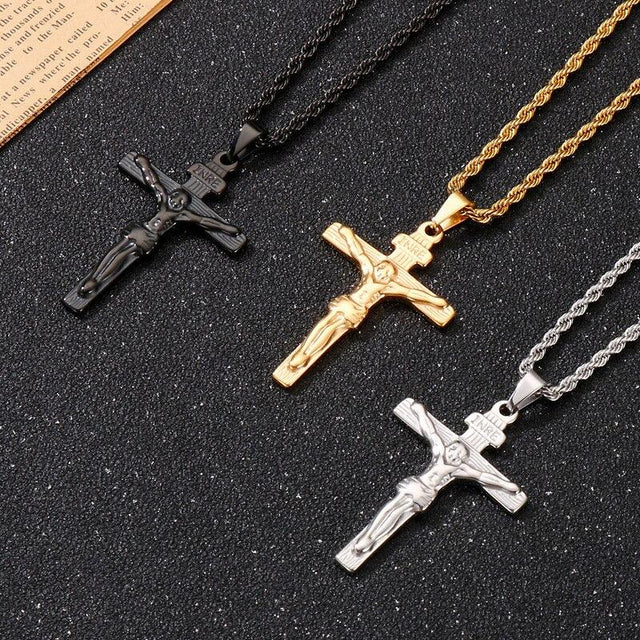
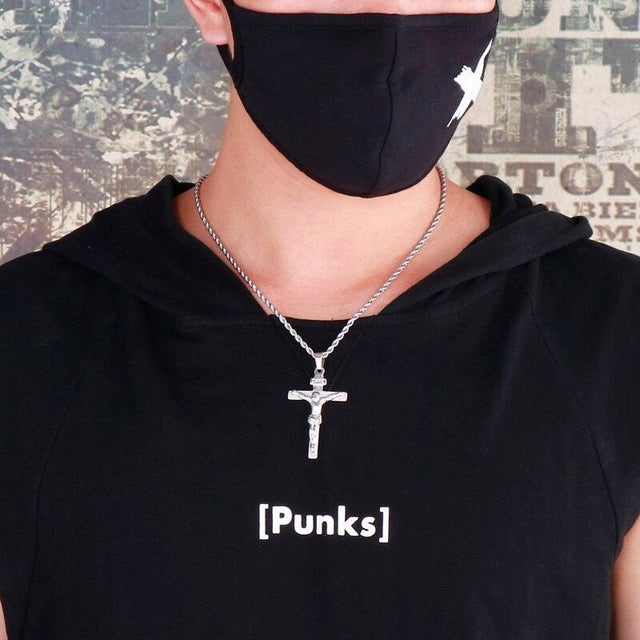
Cross Jesus Redemption Pendant Necklace
Finish specified per order
Stainless steel · Length: 45cm–60cm · 12 variants
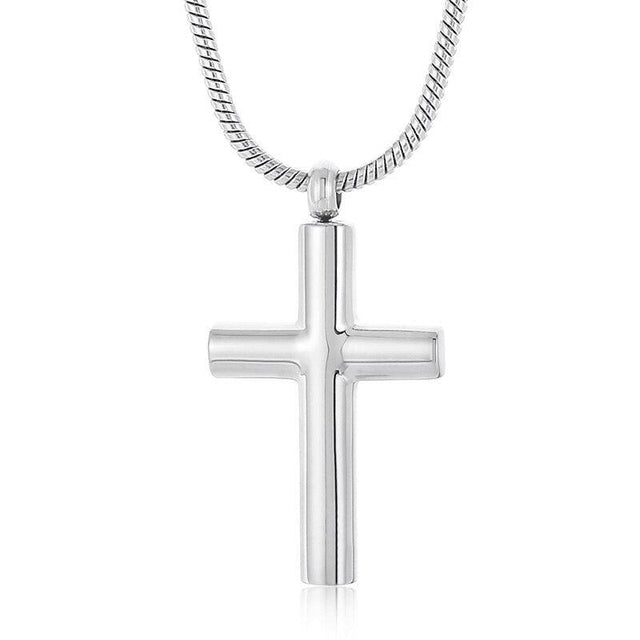
Cross Pendant Necklace
Finish specified per order
Stainless steel · Length: 45cm–60cm · 8 variants
Cross Pendant Necklace
Finish specified per order
Stainless steel · Length: 45cm–60cm · 16 variants
Cross Pendant Necklace
Finish specified per order
Stainless steel · Length: 50cm chain–60cm chain · 42 variants
Cross Pendant Necklace
Finish specified per order
Stainless steel · Length: 50cm 20 inches–Pendant Only · 8 variants
Cross Pendant Necklace
Finish specified per order
Stainless steel · Length: 45cm–60cm · 16 variants
Cross Pendant Necklace
Finish specified per order
Stainless steel
Cross Pendant Necklace
Finish specified per order
Stainless steel · Length: 50cm 20 inches–Pendant Only · 8 variants
Cross Pendant Necklace
Finish specified per order
Stainless steel · Length: 60cm-KN28429-K · 8 variants
Cross Pendant Necklace
Finish specified per order
Stainless steel · Length: 45cm–60cm · 12 variants
Cross Pendant Necklace
Finish specified per order
Stainless steel · Length: 45cm–60cm · 12 variants
Cross Pendant Necklace
Finish specified per order
Stainless steel · Length: Pendant Only–60cm · 5 variants
Cross Pendant Necklace
Finish specified per order
Stainless steel · Length: 65cm · 3 variants
Cross Pendant Necklace
Finish specified per order
Stainless steel · Length: 45cm–60cm · 8 variants
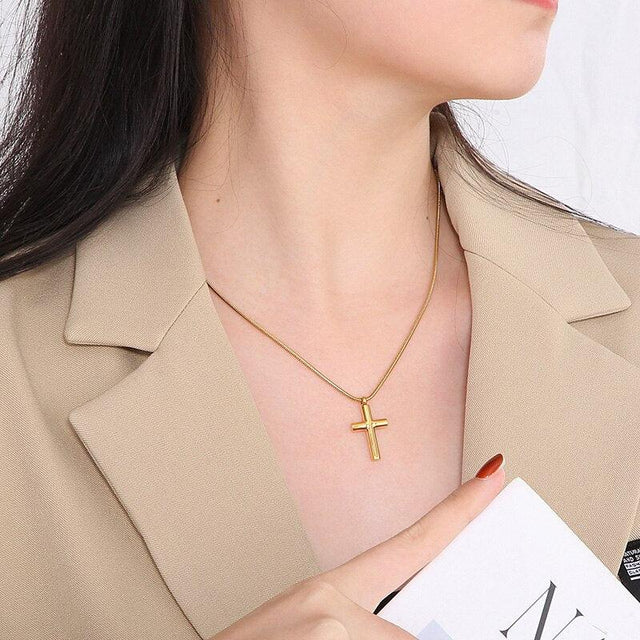
Cross Pendant Necklace with Snake Chain
Steel · Gold-tone
Stainless steel · Length: Pendant Only–60cm · 4 variants
Cross Pendant with Double Chain Necklace
Finish specified per order
Stainless steel · Length: 50cm · 4 variants
Cross Redemption Pendant Necklace
Finish specified per order
Stainless steel · Length: 45cm–60cm · 28 variants





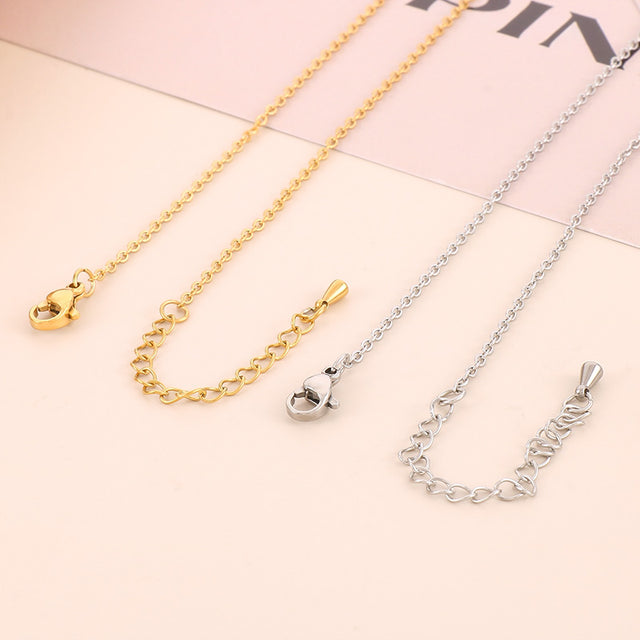
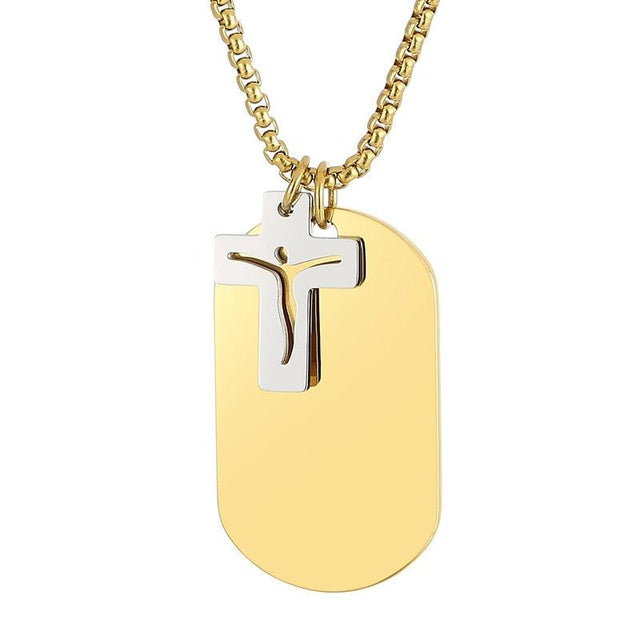
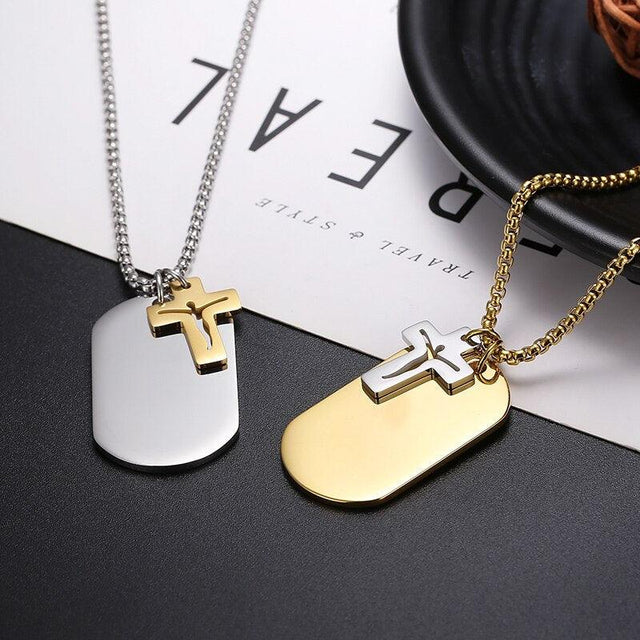
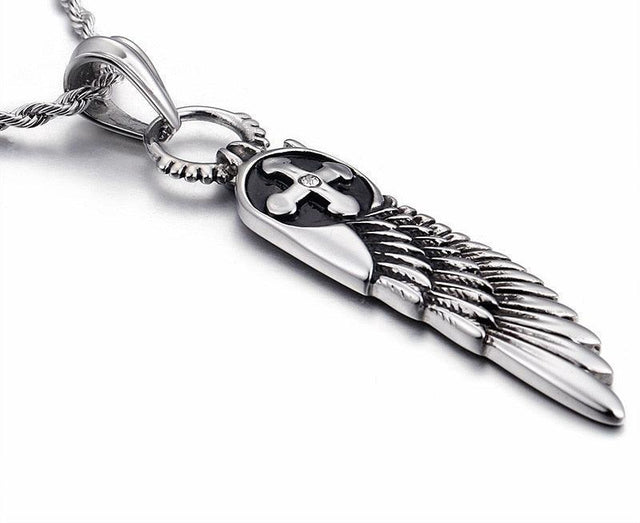
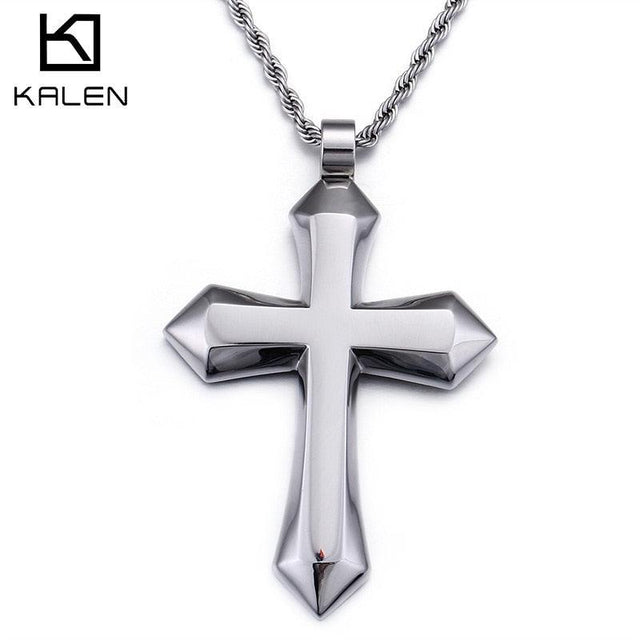
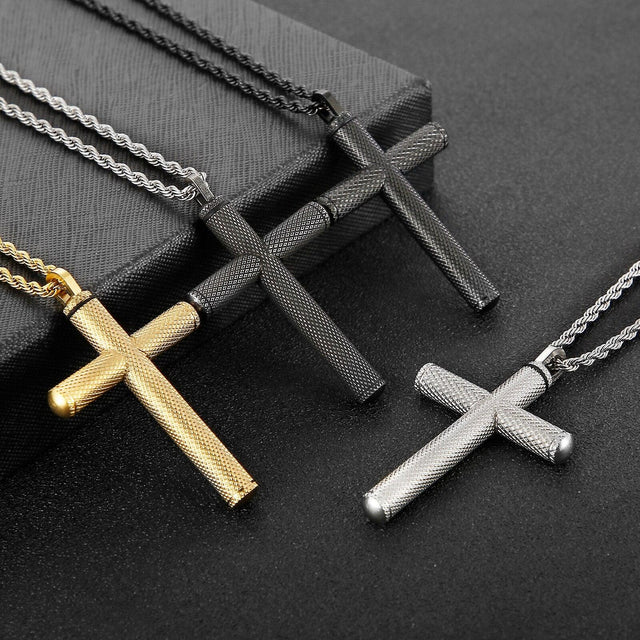
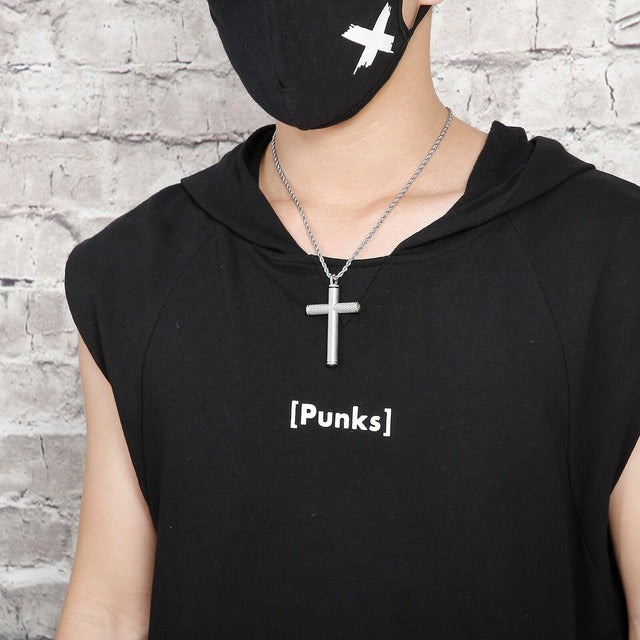
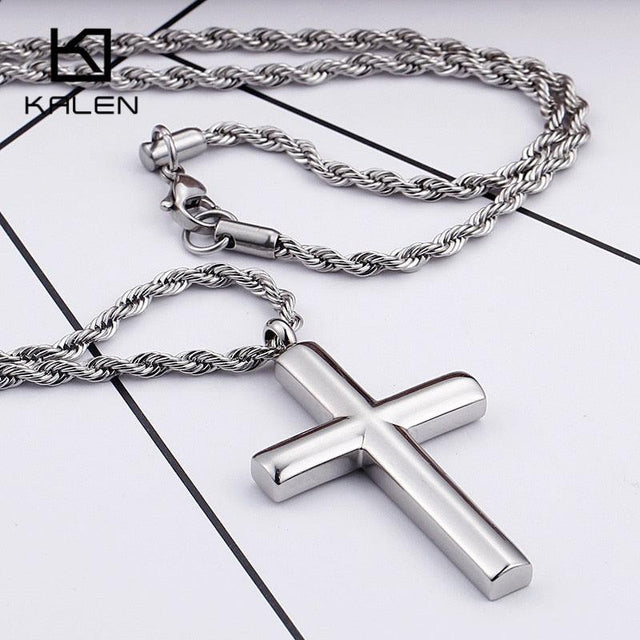
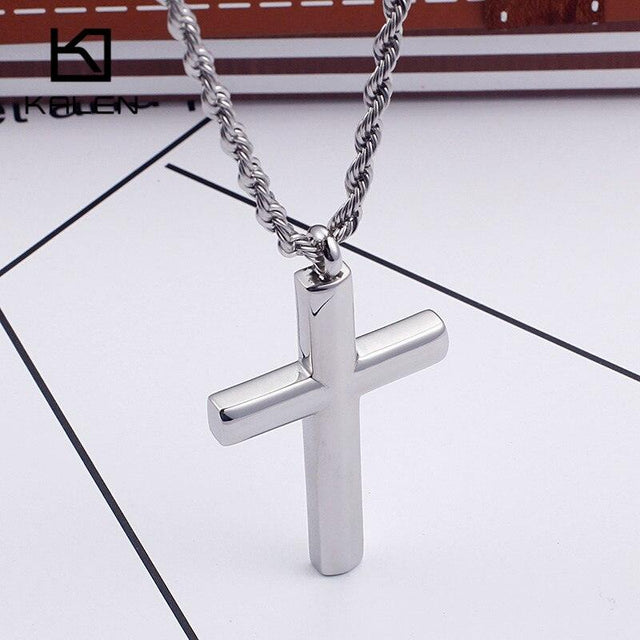
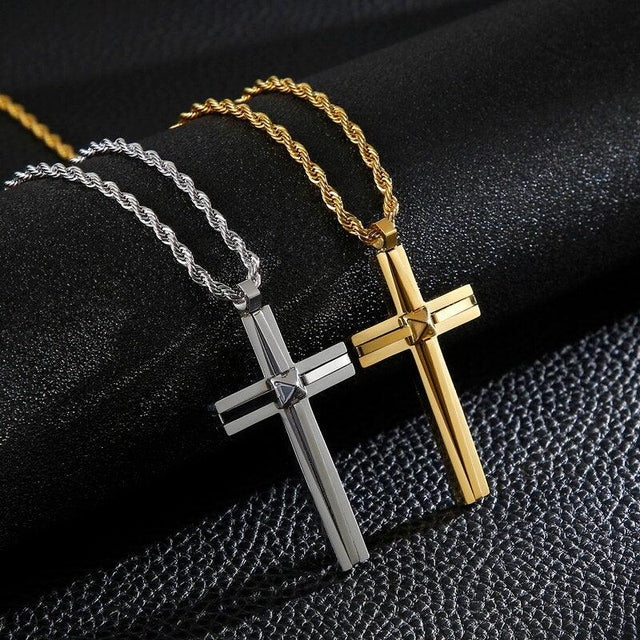
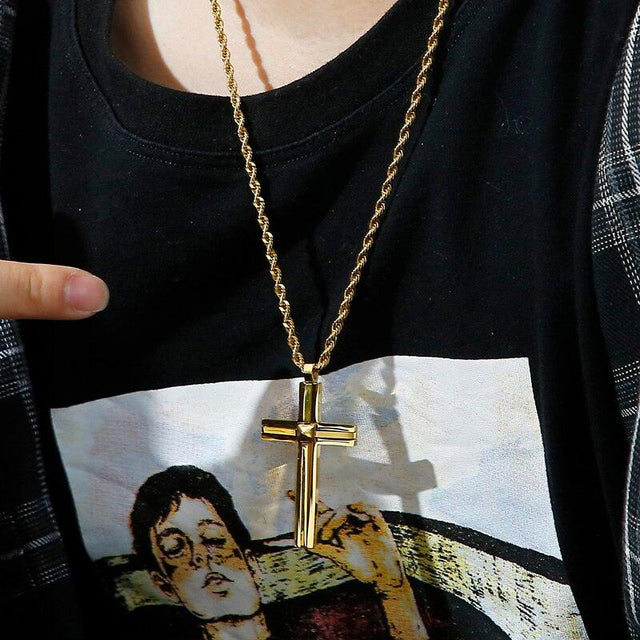
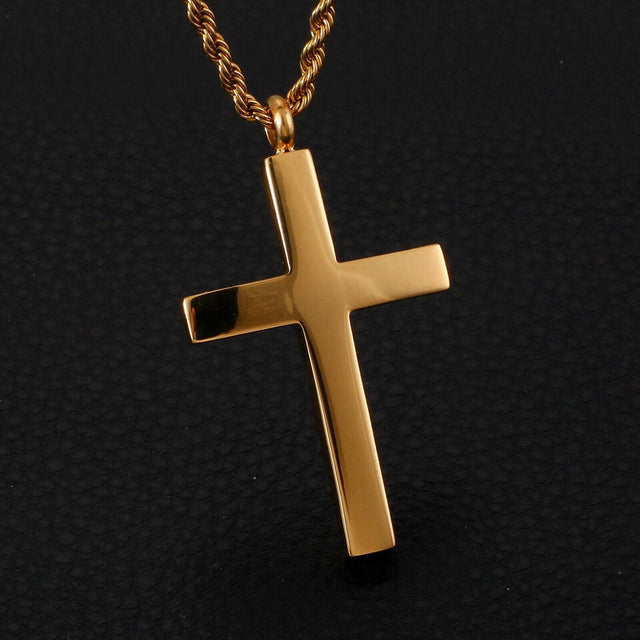
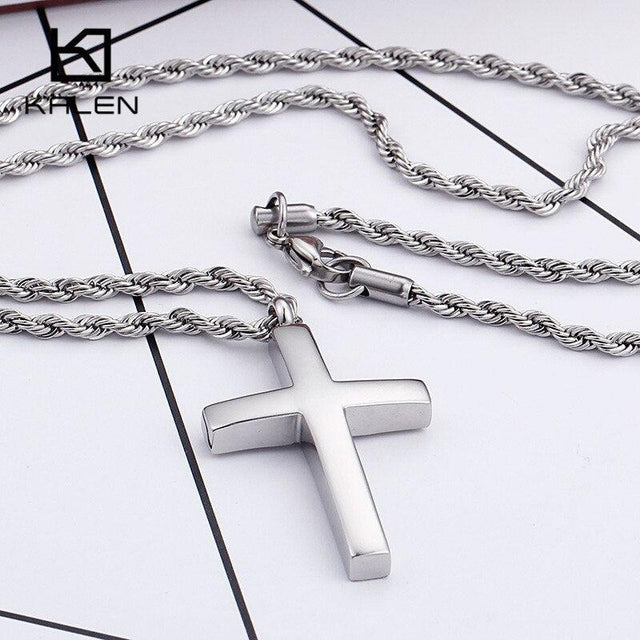
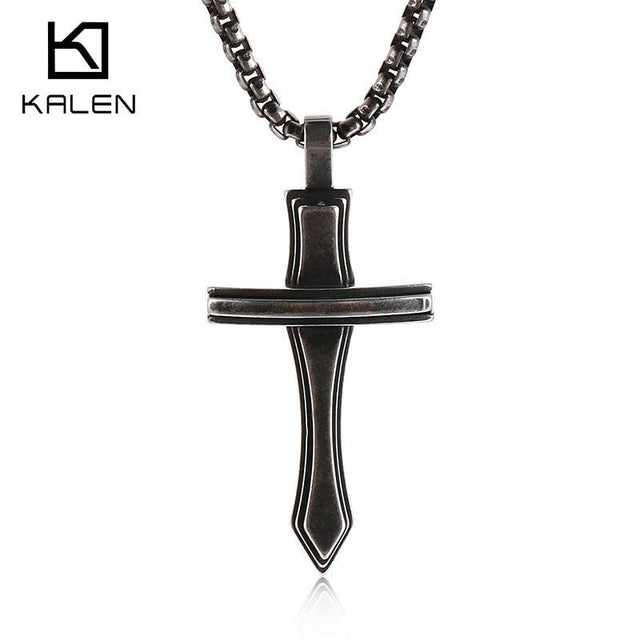
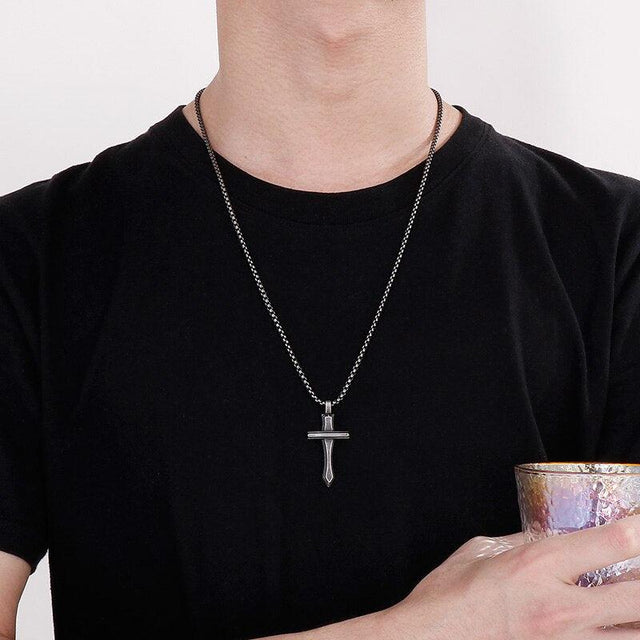
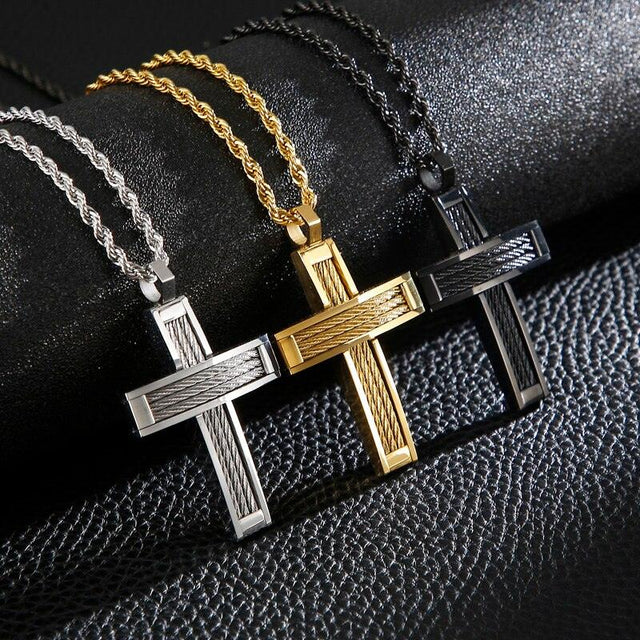
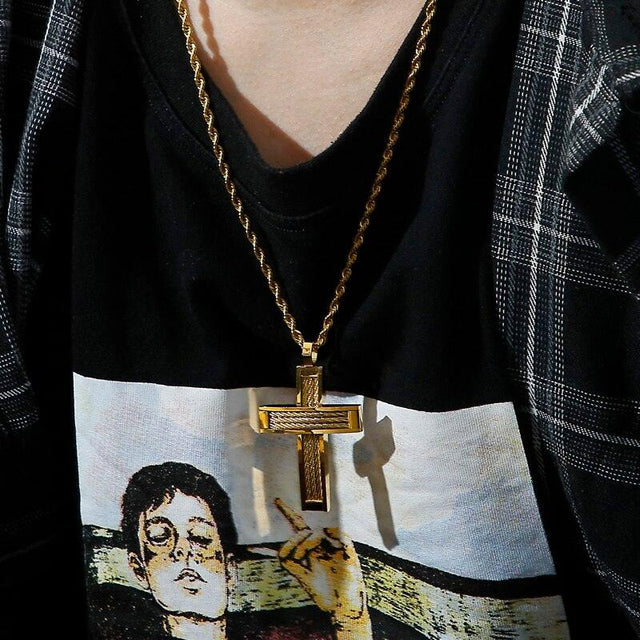
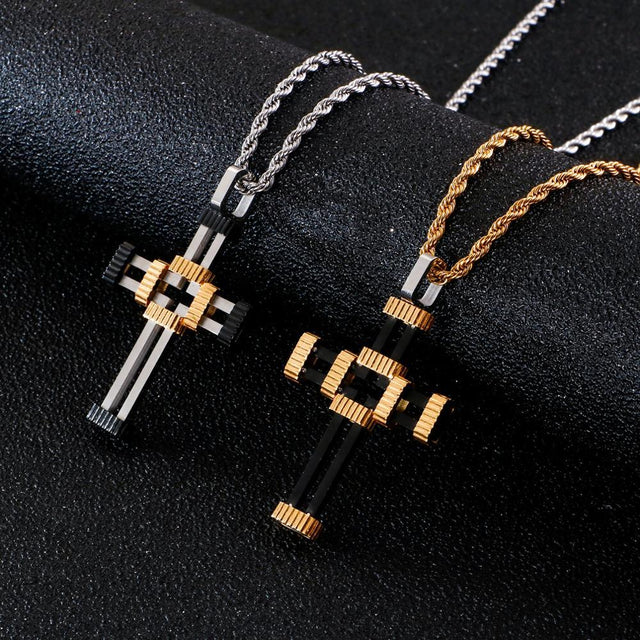
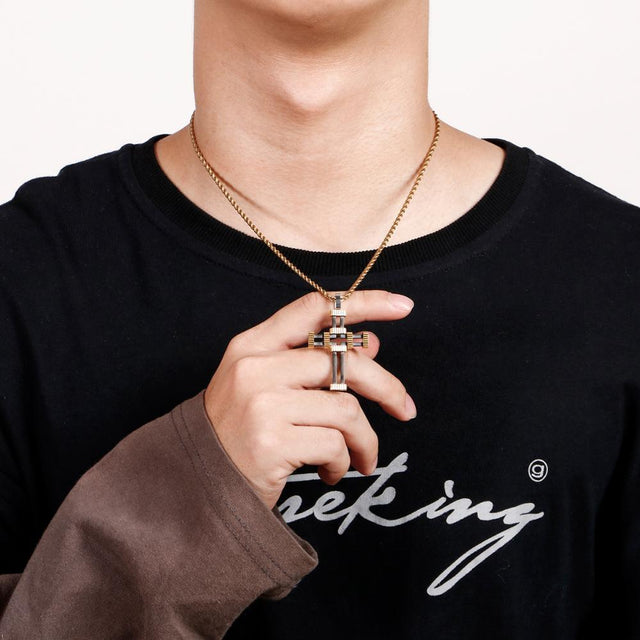
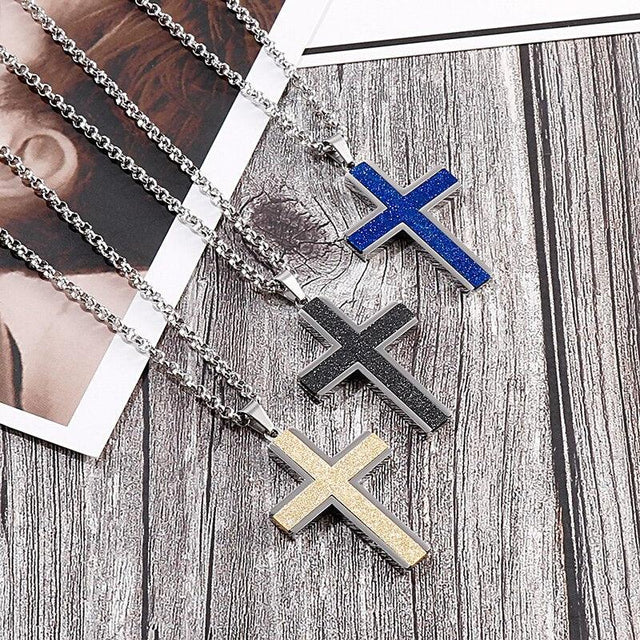
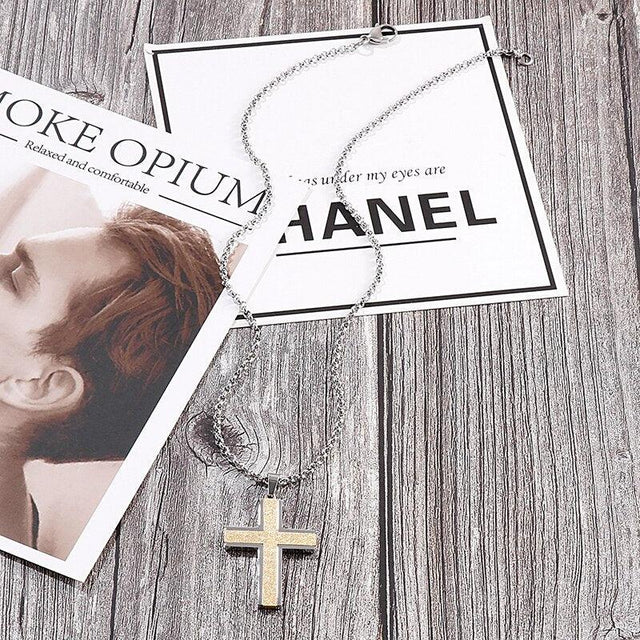
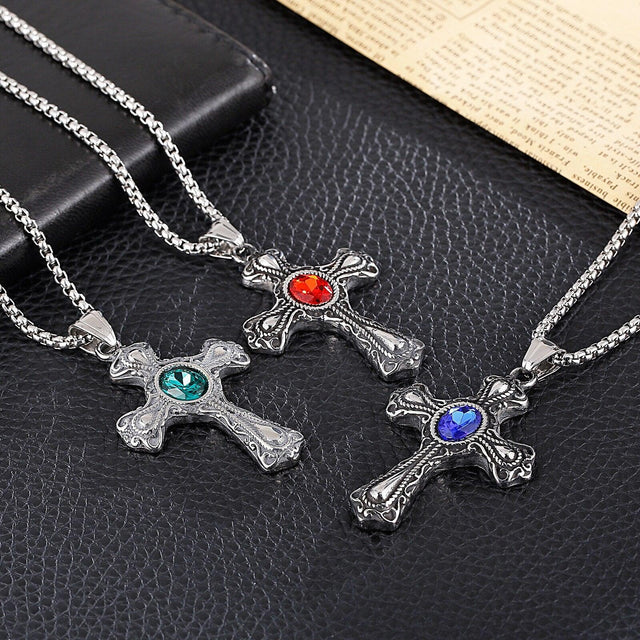
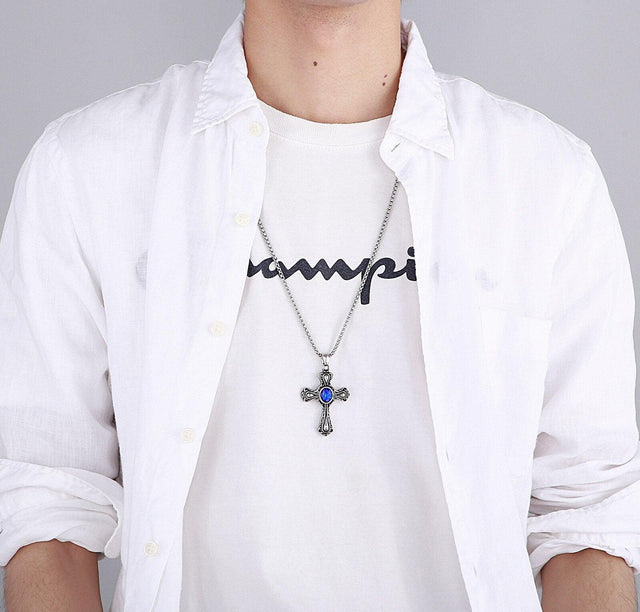
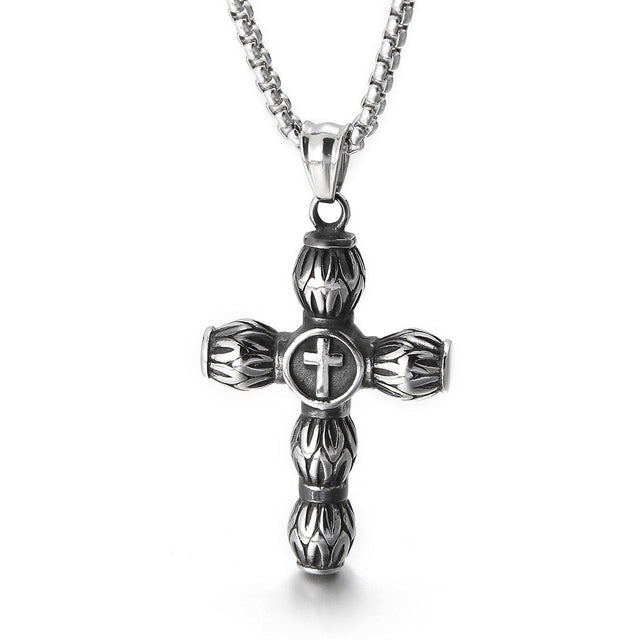
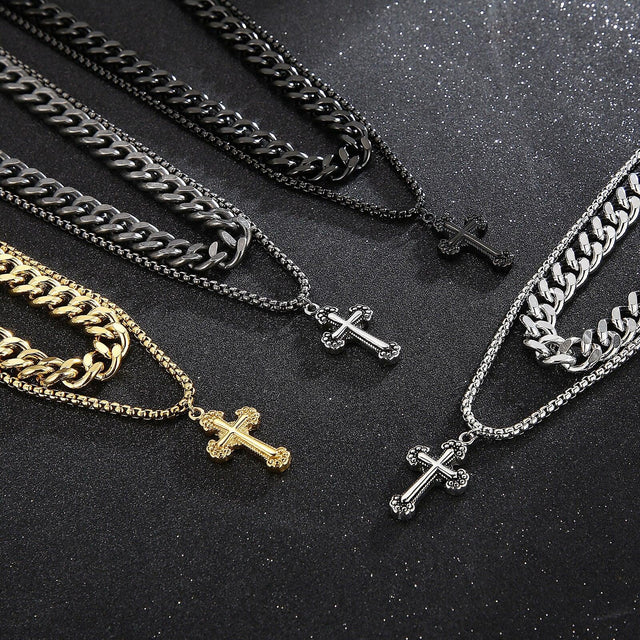
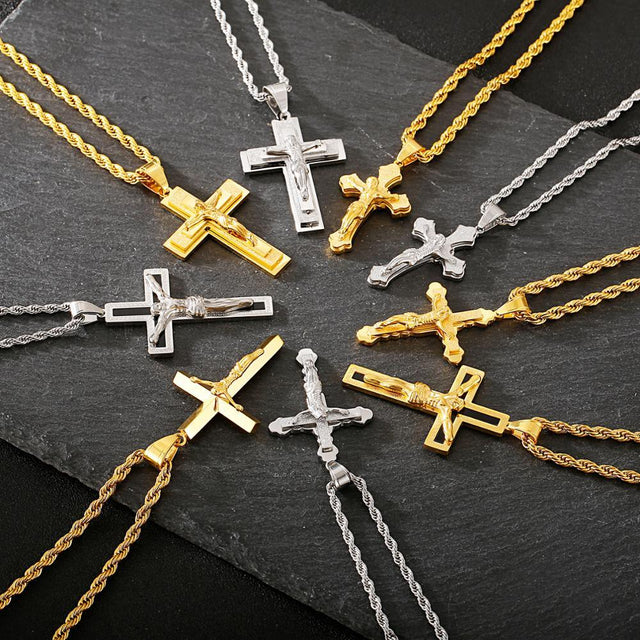
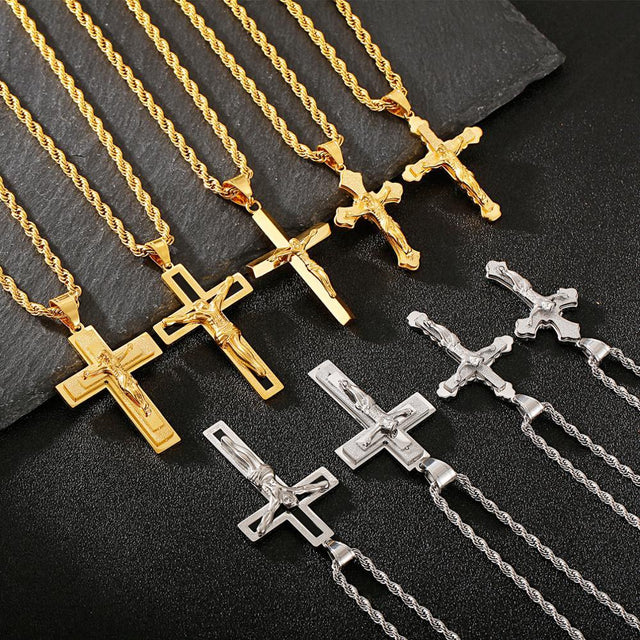
Necklaces fail in the joins, not in the middle of the chain
Will the chain carry what is hung on it?
Chain construction decides pendant suitability. Getting this wrong produces a piece that looks correct in a photograph and fails within weeks of wear.
Will the clasp hold?
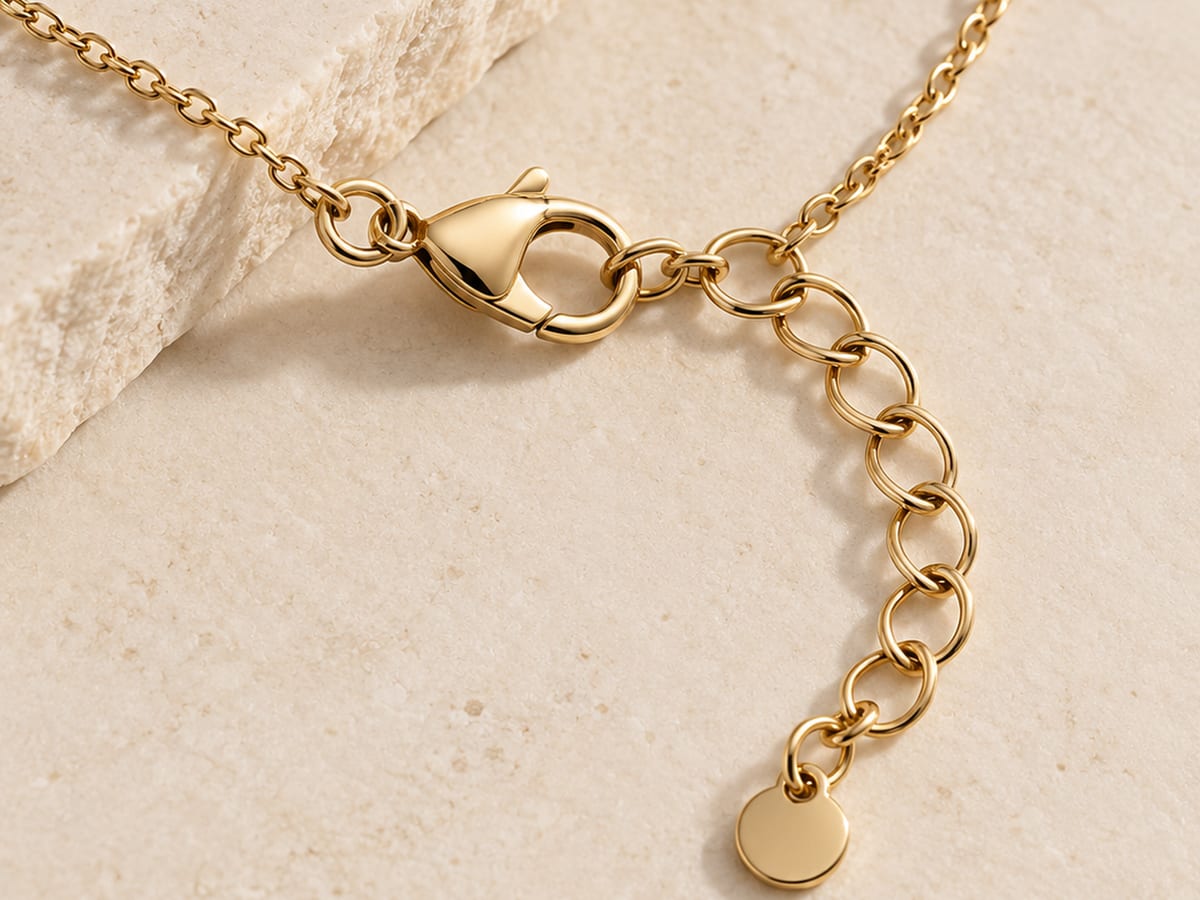
Clasp type, spring strength and the strength of the joint attaching it. A clasp that opens under load loses the piece.
Do the lengths work as a set?
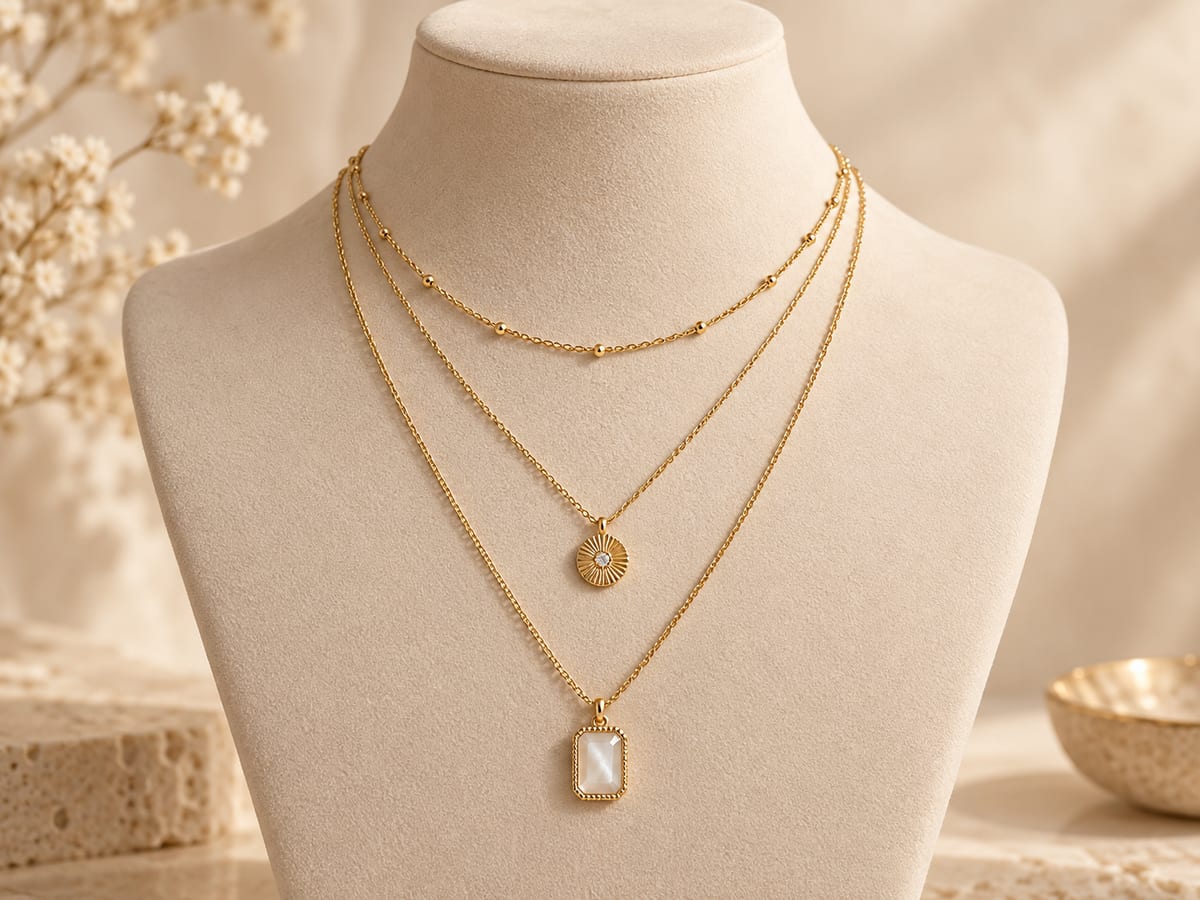
Layering is specified as a group with stated steps between layers, not as three separate necklaces that happen to be sold together.
What can be changed, and what cannot
| Dimension | What you can change | What is fixed | Condition |
|---|---|---|---|
| Chain type | Cable, paperclip, rolo, curb, figaro, snake, herringbone, ball | Pendant loading on chains not built to carry it | Snake, herringbone and ball chains are better as standalone pieces; they are not recommended as pendant carriers |
| Chain width | Wire gauge and link proportion within the tooled range | Widths outside the range the forming tooling can hold | New widths are possible with tooling, confirmed at DFM |
| Length and extender | Finished length plus an extender chain | Lengths that break a set's step spacing | Length is specified as a finished measurement including the clasp |
| Clasp | Lobster, spring ring, magnetic, toggle, box clasp | Internal geometry of a bought-in clasp | Clasp choice is matched to chain weight, not to appearance alone |
| Pendant structure | Cast, stamped, CNC, layered assemblies | Structures that cannot be assembled or inspected repeatably | Bail opening is quoted separately from overall pendant size |
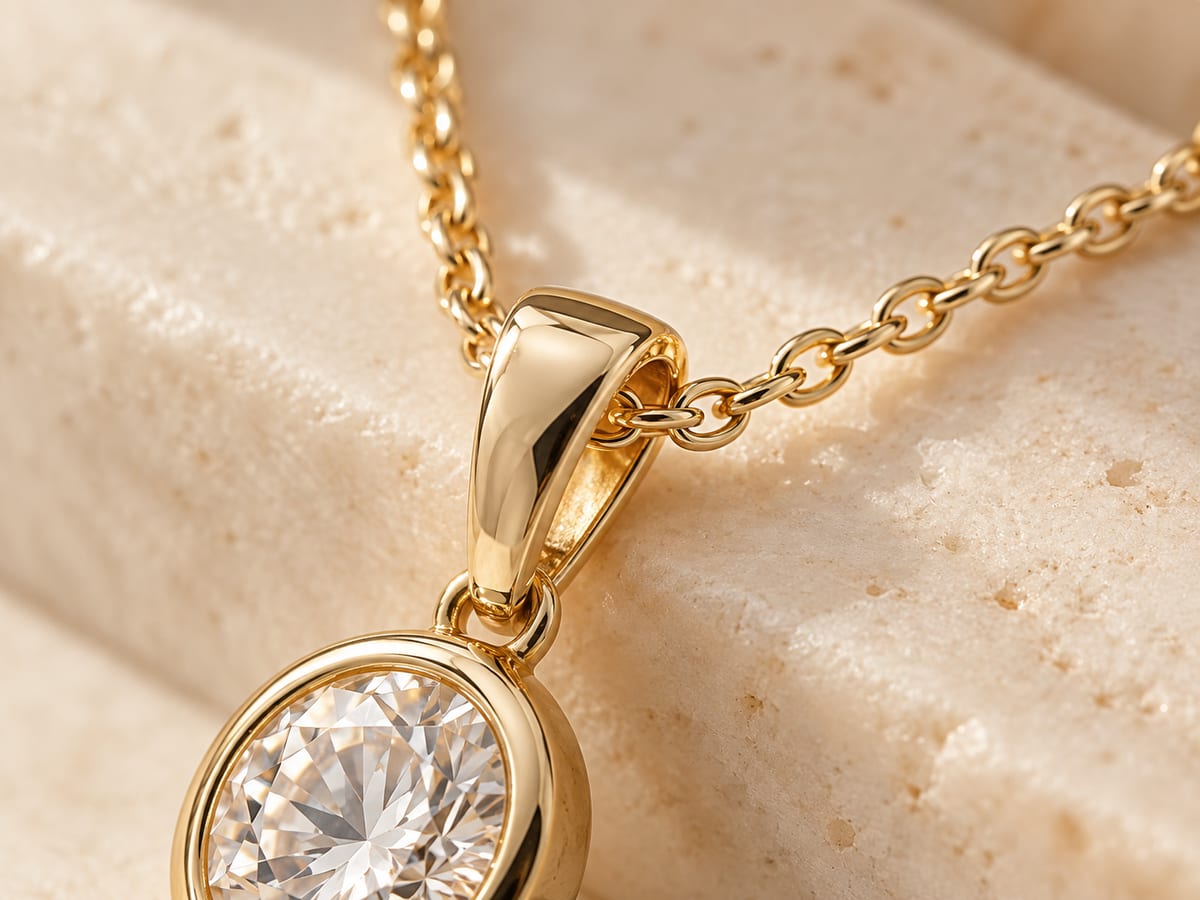
| Pendant dimensions | Overall size, thickness, bail opening | Bail openings too small for the intended chain | Pendant size is quoted twice, with and without the bail, because the two figures differ and get confused |
| Finish color | Gold-tone, rose gold-tone, black, gunmetal, natural steel | Colors outside the qualified PVD target range | See PVD & Gold-Tone Finishes |
| Engraving | Laser marking, stamping, name and personalized plates | Marking below the minimum legible character height | Personalized work is manufacturing to your specification; we do not operate a consumer personalization service |
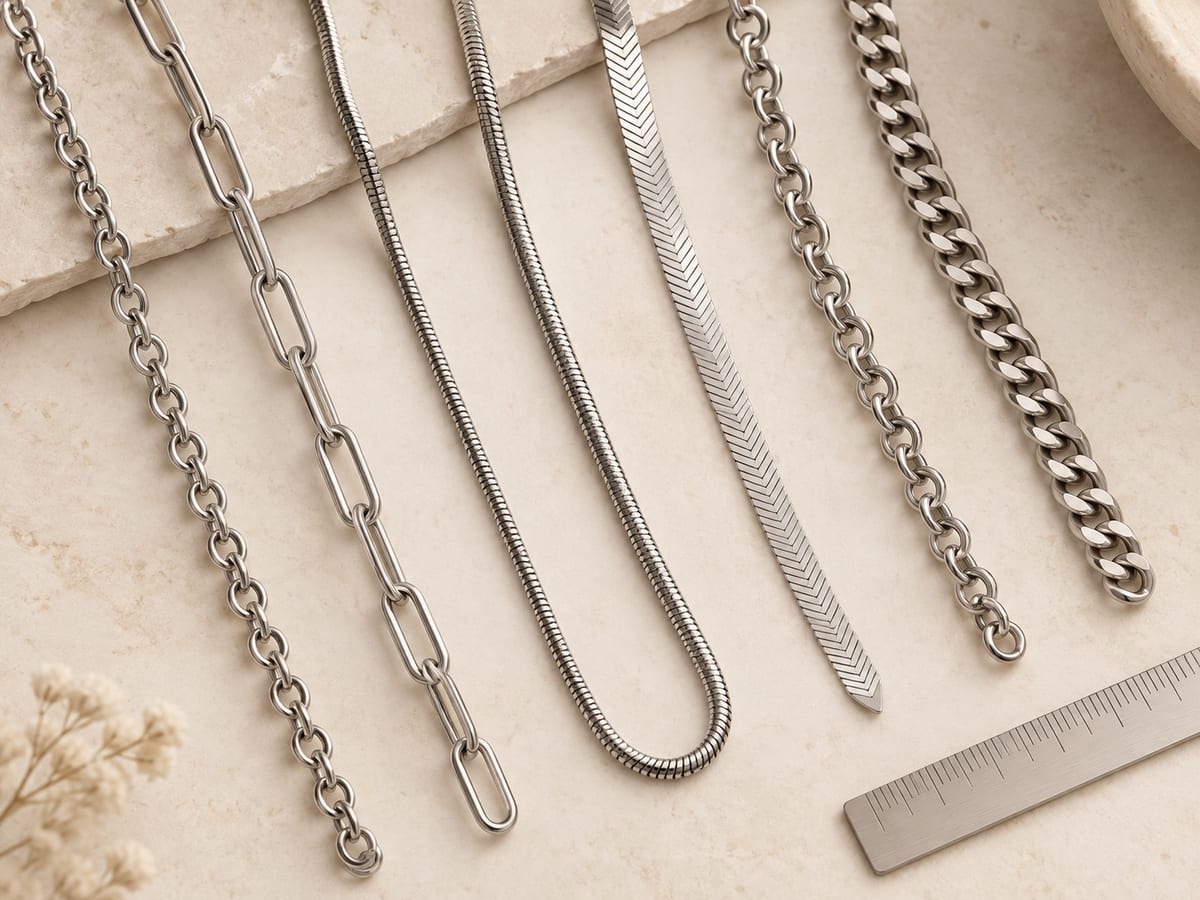
Chain types and what each one is for
| Chain | Construction | Typical use | Carries a pendant |
|---|---|---|---|
| Cable | Uniform round or oval links | Everyday base chain, pendant carrier | Yes |
| Paperclip | Elongated rectangular links | Layering structure layer, standalone | Yes |
| Rolo | Round links, symmetrical face | Pendant carrier, charm carrier | Yes |
| Curb | Twisted and flattened links | Standalone, heavier looks | Yes |
| Figaro | Alternating long and short links | Standalone, patterned | Yes |
| Snake | Tight interlocking plates, smooth surface | Standalone, flat-lying | Not recommended: a pendant loads it against its construction |
| Herringbone | Flat parallel links, mirror surface | Layering base layer, flat-lying | Not recommended: it kinks permanently once creased |
| Ball | Spheres on a connecting wire | Standalone, casual | Not recommended: the load falls on the connecting wire |
The parameters a quote is built on
Chain length is always quoted as a finished measurement including the clasp. Half the length disputes in this category come from the two sides measuring different things.
| Parameter | Specified | Unit | Test method |
|---|---|---|---|
| Chain widthThe whole quoted chain stock; the figure for a given design is fixed at DFM | 1.5 – 10 | mm | Micrometer, first article |
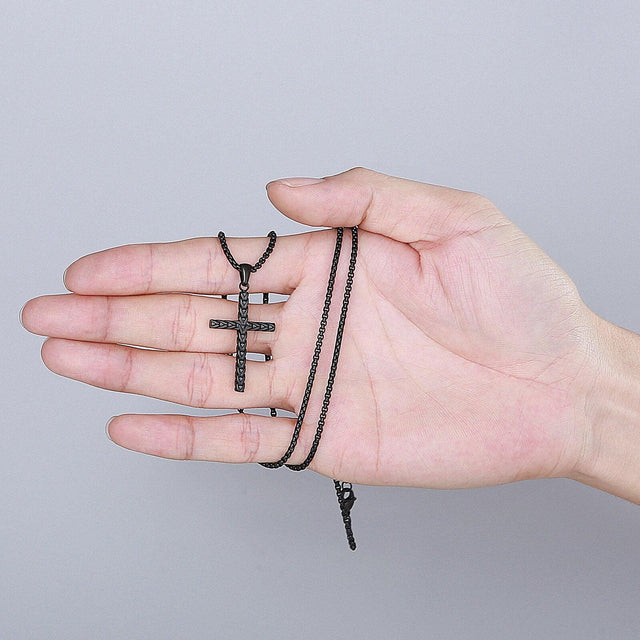
| Finished lengthQuoted in both metric and imperial. The six stocked lengths need no new tooling | 360 – 650 (36 / 38 / 41 / 45 / 56 / 65 cm), plus a 50 mm extender | mm / in | Measured over the clasp |
| Length toleranceUndersize is not accepted. Measured over the clasp, as the finished length is | +5 / −0 | mm | Against signed pre-production sample |
| Bail openingSets the maximum chain diameter the pendant can carry | 2.5 – 6.2 | mm | Pin gauge, first article |
| Piece weight | Per design, stated on the quotation | g | 0.01 g balance, sampled |
| Coating thicknessTotal PVD stack thickness, not a gold-content figure | 0.3 – 0.4 total, ±20% | µm | Thickness report, per batch |
Nickel release · prolonged skin contact
0.34 µg/cm²/week
Tested to EN 12472:2020 & EN 1811:2023 — wear-and-corrosion pre-treatment first, then a week in artificial sweat and measurement of what released. REACH Annex XVII entry 27 sets below 0.5 µg/cm²/week for items in prolonged contact with the skin. The figure shown is the highest of three parallel determinations (0.26, 0.34, 0.29); a clasp or a finding on another design is a different component and needs its own report.
Where necklaces specifically go wrong
Frequently asked questions
Which chain types can carry a pendant?
Cable, paperclip, rolo and curb chains carry a pendant well. Snake, herringbone and ball chains generally should not: they are constructed to lie flat and a pendant loads them in a direction they are not built to take, which shows up as kinking or a separated link. Every chain we quote is labeled for pendant suitability rather than leaving it to be discovered in production.
How do you decide the lengths in a layering set?
By the step between layers rather than by each length in isolation. Too small a step and the pieces tangle; too large and they read as unrelated. The set is specified as a group with its steps stated, and the base layer is usually the flattest chain so the pieces above it sit rather than slide.
Is an extender chain standard?
We recommend it on every wholesale necklace. It converts one length into a range, which cuts both returns and the number of length variants a buyer has to carry. Extender length is specified per design rather than assumed.
Last updated